Your Leading Antique Mirror Supplier
Luck Glass is a comprehensive enterprise integrating product design, development, production and sales, specializing in the production and supply of various glass and mirror products. It has 15 glass and mirror deep processing production lines, producing 800,000 led mirrors. Among them, decorative glass products are mainly exported to more than 30 countries such as the United States, Britain, Australia, Saudi Arabia, Spain and Russia, and local designers and architects provide good decorative glass solutions!
Rich Experience
Luck Glass is a comprehensive enterprise integrating product design, development, production and sales, specializing in the production and supply of various glass and mirror products.
Reliable Product Quality
Most of our products have obtained CE, UL, ETL, SAA, ROHS, Reachcertificates, and other intemational quality approvals. And our company obtained the international ISO9001 quality management system and ISO14001 environmental management system certification.
Wide Market
Exported to more than 30 countries such as the United States, Britain, Australia, Saudi Arabia, Spain and Russia. Work with local designers and architects to provide quality decorative glass solutions.
Advanced Equipment
Luck Glass, a professional glass and mirror factory, equip with CNC cutting machine, automatic grinding machine, tempered furnace, insulated glass production line, Mirror edge beveling and polish; Applying the safety film and protective film; Laser Cutting; Mirror Sandblasting; Mirror Assembing; Mirror Assembing; Function checking and Testing; Testing for LED Light etc advance machines.
Antique mirror is a type of decorative mirror that is designed to have an aged, vintage, or distressed appearance, evoking a sense of timelessness and history. Antique mirrors are commonly used in traditional, rustic, or vintage-inspired interior design schemes, adding a sense of history and character to a space. Antique mirrors are highly prized for their ability to add a touch of timeless charm and authenticity to any room, while also serving as a functional reflective surface.
-
![Gold Vein Mirror Glass]() Gold Vein Mirror GlassSliver mirror is produced through a trinal processing work by coating a silver film, a copper film, and two layers of waterproof paints on the surface of glass. The Silver Mirror is available in clear glass and a wide range of colors.read more
Gold Vein Mirror GlassSliver mirror is produced through a trinal processing work by coating a silver film, a copper film, and two layers of waterproof paints on the surface of glass. The Silver Mirror is available in clear glass and a wide range of colors.read more -
![Cloudy Antique Mirror]() Cloudy Antique MirrorAntique mirror is not a traditional sense of antique mirror, but the world's latest popular decorative mirror. It is different from the aluminum mirrors and silver mirrors used in our daily life. It has undergone special oxidationread more
Cloudy Antique MirrorAntique mirror is not a traditional sense of antique mirror, but the world's latest popular decorative mirror. It is different from the aluminum mirrors and silver mirrors used in our daily life. It has undergone special oxidationread more -
![Antique Smoked Glass Mirror]() Antique Smoked Glass MirrorColour: Pure white, soft white, black, red, grey, green, blue etc.. Raw Materials: Clear Float Mirror Glass. Surface: Mirror/Matte. Thickness: 2mm 3mm 4mm 5mm 6mmread more
Antique Smoked Glass MirrorColour: Pure white, soft white, black, red, grey, green, blue etc.. Raw Materials: Clear Float Mirror Glass. Surface: Mirror/Matte. Thickness: 2mm 3mm 4mm 5mm 6mmread more


It Improves a Home’s Appeal
Adding a mirror to a room can make it more beautiful and enjoyable. Use a mirror’s reflection to draw attention to a beautiful vase or another eye-catching feature, for example.
It Makes a Great Atmosphere for Your Guests
Antique mirrors are highly suitable for “feng shui” design. Mirrors emphasize the intended use of each room, creating a more intentional design. For example, you can hang a large antique mirror over the mantle of a fireplace to tone down the harshness of the flames. Another great idea: you can add a mirror to your foyer to make visitors feel more welcome into an inviting and open space.
It Creates the Illusion of a Larger Space
Include antique mirrors in your decor if you have smaller rooms or spaces. The reflective nature of a mirror will make a small bathroom or bedroom appear more spacious. Antique mirrors can also be used to open up a narrow hallway. To make the corridor appear more spacious, place a few identical mirrors next to one another along the wall.
It Enhances a Room’s Lighting
An antique mirror’s reflection can be used to boost the brightness of a room. Mirrors are a useful tool when it comes to brightening up a dark home or a poorly lit room. To add extra natural light to the room, hang mirrors on the opposite wall of a window. Mirrors can also be positioned to reflect artificial lighting too. If you have a chandelier in your dining room, try hanging an antique mirror to reflect the beauty and brilliance of the lighting fixture.
It Provides Additional Security
Half-sphere mirrors are used by security personnel to keep an eye on potentially dangerous individuals in retail establishments. Antique mirrors placed strategically throughout your home can provide a similar effect, allowing you to see around walls and entrances to provide additional security.
Antique Mirrors Make a Statement
Strategically placed mirrors make a bold design statement. You can create an eye-catching statement with oversized or fancy framed mirrors. Display them where everyone can see them, such as on the walls of a luxurious dining room. Leaning a tall, slim mirror against the room’s corner can add character to dressing rooms and closets. You could also add a light behind the mirror to make a more dramatic statement.
Types of Antique Mirror
Baroque Style Mirrors
The Baroque style is from the 17th century and used gold or silver gilding. Ebony or tortoiseshell inlays and carvings of fruits, angels, flowers, and leaves were popular during this time.
Georgian Style Mirrors
The Georgian era took place in Britain from about 1714 to 1830. This style is marked by its lack of elaborate carvings except along the top edge of the mirror frame. Designs during this time included scrolls, beading, and symmetry.
Gothic Style Mirrors
From the 12th to the 16th centuries, Gothic style mirrors resembled church windows. These oval mirrors framed in dark wood featured scrolling and carvings. These mirrors are marked by pointed arches at the top.
Neoclassical Style Mirrors
In the mid and late 1700s, the neoclassical style emerged using columns and medallion carvings around the top. You'll find neoclassical mirrors in rectangular and cathedral shapes with silver or gold gilded frames.
Regency Style Mirrors
Oval mirrors with thin frames were the style during the Regency period in the early 1800s. They are marked by columned frames, cornices, and flower or leaf designs.
Rococo or Late Baroque Style Mirrors
From 1730 to the early 1800s, the Rococo style was popular. This style is characterized by heavy sculpted plaster frames gilded in gold. Natural items like seashells, leaves, feathers, birds, and flowers were common. Rococo mirrors are most often rectangular or an oval shape with a flat bottom known as cathedral shape. It was common to have a painting on the back of these mirrors.
Mirror Gallery Wall
Using antique mirrors in a gallery wall layout is a great way to add lots of light and enhance the feeling of space in a room. It’s also a great way to add color and visual appeal. Use different antique mirror finishes like gold, bronze, grey, green, and more. Go frameless or pair with a frame of the same color. Try different sized mirrors and don’t be afraid to play with layout patterns.
Antique Mirror Glass Tabletop
Antique mirror is a great option for a protective glass tabletop, as it not only brings a touch of vintage charm to any room, but also efficiently fulfills its intended purpose. Therefore, consider incorporating antique mirrors into your next project for a functional yet stylish addition.
Mirrored Walls & Columns
Antique mirrors are an exquisite addition to any decor that emanates sophistication, elegance, and timeless charm. Placing them as mirrored walls is a brilliant way to amplify the space and brighten up any room. Get ready to add a touch of classiness and refined beauty to your space by opting for antiquated mirrors.
Mirrored Furniture
Add a touch of elegance and sophistication to any furniture piece by incorporating antique mirrors. The vintage look and feel of these mirrors bring a unique character and charm that cannot be replicated any other way. Try incorporating antique mirrors into your furniture for a timeless and chic aesthetic.
Statement Mirror
Antique mirrors can make a bold and elegant statement in any space. By using a statement framed mirror, you add character, charm and sophistication to your decor. Hang your statement mirror or lean it against the wall. Both solutions work. Don’t be afraid to think creatively and give your living space an exquisite touch that stands out.


Antique Mirror Backsplash
Incorporating an antique mirror backsplash into your kitchen or bathroom design provides an unparalleled level of charm and sophistication. The vintage aesthetic adds an element of dimension and refinement while maintaining a subtle hint of glamour. This unique feature is sure to make your space standout and impress. You can get antique mirrors in a range of shapes in sizes. Emulate tiles or go big with larger square shapes.
Mirrored Ceiling
Designs have become minimal and restrained. We like clean lines and neutral colors. So how do you add stylish notes and unusual design interior techniques in a world of minimalism? One of the most striking ways is adding a mirrored ceiling. Offering great optical effects and stunning visuals. You don’t see it often so when you do, it gets your attention and you remember it. Use antique mirrored inserts. Don’t be afraid to use colored antique mirrors like gold or bronze. You can stay neutral and depend on the antique mirror pattern with something like a clear mirror or grey. Experiment with layout patterns. Instead of a grid, try a diamond pattern instead. Bevel the edges of the mirrors for more visual appeal.
Lining Serving Trays with Antique Mirrors
For an unconventional twist, line the bottom of treys with antique mirror. Mirror trays are great as a eye catching centerpiece on a coffee table or in a dinning room. Fill the trey with candles, decorative items and more that can creatively reflect off of the mirrors surface.
Elevator Cab Mirror Cladding
Elevators can be small, and with 2 people it can start to feel crowded. Adding antique mirror cladding to the elevator will make the space feel larger while balancing the light. You’ll also add a focal interest and a more lux appearance. So, get creative and add antique mirrors to your elevators to…elevate your design (see what I did there?).
Antique Mirror Door Insets
Using antique mirrors, especially clear and grey antique mirrors, work especially well as door inserts. Perfect for closets or the inside of portion of a bedroom or suite door. Offering all of the same perks as a clear mirror, the antique mirror will also add a touch of glamour and refinement.
Application
Antique (or distressed) Mirror Glass can be used for most of the applications considered for standard mirror glass, from simple frames to kitchen splashbacks and furniture to wall-cladding. Where standard mirror glass offers a fairly glitzy if predictable material, antique mirror glass offers a depth and richness which enhances any application.
Style
As you might expect there are a variety of different antique mirror styles available, from beautifully authentic hand distressed antique mirror glass to marbled and mottled ready-made styles in a range of colours and patterns including warmer hues.
Thickness
Most distressed mirror glass is offered in 4mm or 6mm thickness, but handmade antiqued mirror styles can allow for greater thicknesses.
Protection from Breakage
Health and safety requirements mean that all mirror glass must be either safety-backed with safety tape/foil or toughened. Toughening antique mirror glass is definitely worth considering if the glass will be near a direct heat source, for example, a gas hob or Aga.
Edges
As with standard mirror glass, edges can be polished, chamfered, mitred or bevelled to a depth from the edge of the glass. All our glass is supplied with standard polished edges to prevent the risk of injury as this removes the sharpness of the cut edges.
Fixing
Given the value of antiqued mirror glass, it's often worth thinking through the fixing options carefully. Mirror adhesive is the straightforward, permanent option for most flat walls, but if you want the flexibility of moving the panel(s) to another location then screwing them to the wall is a good alternative. This requires holes to be made in the glass when it is first being cut. Once in situ, the screws themselves can be covered with decorative screw caps.
Timeframes
The lead times for distressed mirror glass varies from 2 weeks for ready-made antique mirror styles to 6 weeks for hand finished antique mirror styles, depending on a number of different factors including the volume required.
Cost
The cost for antique mirror glass is considerably higher than standard mirror glass. Handmade antiqued mirror is the most expensive option due to the time and process involved in making these styles. The costs for our handmade styles start from £588 + VAT per square meter, with additional costs for toughening and processing.
Measurement
The costs of antique mirror glass mean that getting the measurements right the first time is crucial. If you're putting a number of panels together, particularly on a wall, it is worthwhile having a full, professional survey done to ensure all the measurements are accurate. Most companies that supply distressed mirror glass offer such a service.
Installation
Depending on the complexity of the project, it is well worth using the services of a professional installer to ensure the panels are carefully fitted, aligned and flush.
How To Tell If a Mirror is Antique or Vintage
The Glass
Glasses that are used in antique mirrors were all backed with silver mercury backing, which, over time, will create some kind of cloudy look due to oxidation. You often see this around the edges. This is something that can be imitated on new reproduction mirrors that want the antique look. The reproductions often have a more uniform and almost perfect mottled pattern, which differentiates them from authentic antique mirrors.
The Color of the Glass
Another important detail regarding the glass is the color. As with everything – if it's 100+ years old, there will be some slight changes in the colors, even if the item itself is in perfect condition. The glass of antique mirrors is somewhat yellow with a touch of gray. The glass of newer mirrors is color-free.
The Pen Test
As you can see on the video in this article, there's a clever test you can do yourself; and all you need is a pen. It's very simple! Take a pen and place it against the glass surface. If it's (very likely) to be an antique mirror, then you'll see the reflection of the pen extremely close to the glass. If it's a modern mirror, then it will look like the pen is an inch, or so, away from the mirror surface.
The Frame of the Mirror
The frame of the mirror can be a good indicator if it's antique or not. Antique mirrors have handmade frames, while modern mirrors have machine-made frames. The more imperfections you see, the more likely it is to be handmade.
The Back of the Mirror
As with all antiques, it's always good to examine the back side, as it often can give you more information than the front side. The first thing you should look for is a maker's mark. There can also be some kind of label, inscription, etc. These details could inform you of when the mirror was made.
The Style of the Mirror
The shape and style of the mirror can often indicate what time period the mirror is from. There are plenty of examples. The Baroque style, for example, is often oval-shaped with a gilded frame in gold featuring flowers and cherubs. Another example is the Rococo era, which often is a rectangular mirror with shell motifs and with frames that often came from darker wood. And lately, in the Victorian era, from circa 1800 to 1900, the mirrors were much larger and highly decorated with frames that were often made of metal or dark wood.
Check whether the glass is original or has been replaced
Glass that has been replaced doesn’t tend to have a huge effect on an antique mirror’s value. A mirror that still has its original glass is, however, often more desirable. If a mirror still has its original glass this may help to give away its age – older glass is usually much thinner than modern glass and normally has a yellow or grey tone, rather than being colourless. Glass that has been around for a long time also has more character, and some small imperfections, such as light foxing, may even add to its appeal.
Look at the back
Looking at the back of an antique mirror could provide more clues as to its age and origin. You may find an engraved or stamped name or logo, which might help you to identify where it was made and by whom. Older mirrors tend to feature wooden rather than paper backing, so this is also worth checking.
Check for signs of ageing
A genuine antique mirror will always have suffered some wear and tear. Check the wooden frame carefully for areas of fading or darkening, as well as any stains or woodworm. The mirror glass itself will also have signs of ageing if it is original – look out for any cloudy spots or foxing, as well as any scratches or chips on the surface.
Do your research
If you’ve seen and fallen in love with an antique mirror, it might be difficult not to buy it there and then. When it comes to antiques, however, it pays to do your research. You may want to take a photograph of your mirror and then spend some time researching its design features and looking for similar models online so you can be more sure that it isn’t just a modern-day replica.
How to Restore Antique Mirrors
Clean it gently
Antique mirrors can be damaged easily, so the key is to clean it gently – do not use cleaning agents with harsh chemicals. Dust the frame with a feather duster or a paintbrush with soft bristles. Use a water-vinegar solution instead – add a quarter of a cup of vinegar to one cup of water. You can also clean the glass using mild soap and warm water. Dry it with lint-free cloth. Remember to clean it regularly, especially those with intricate frame designs.
Touch up paint
If it needs some paint refreshing, clean the mirror first and dry it. Remove the paint flakes using a sand paper. Dab some primer into the bare wood areas and paint with the exact frame paint color. If the whole frame needs to be painted, cover the mirror with newspaper first, or remove the mirror from the frame if you can. Dab some primer on the chipped parts or where the paint is already peeling before applying paint.
Replace the mirror
If the frame design is what makes it stand out and the mirror does not look good anymore, consider replacing the mirror.
Re-silver
You can buy a do-it-yourself re-silvering kit, but keep in mind that this is a complicated process. It involves the usage of concentrated solvents which contain chemicals that can be harmful when inhaled. If the antique mirror has sentimental value, consider hiring a professional to do the re-silvering for you. Should you decide to do it yourself, make sure there is enough ventilation in your work area and do some research on the correct steps to do it.
Ultimate FAQ Guide to Antique Mirror
We're well-known as one of the leading antique mirror manufacturers and suppliers in China. If you're going to buy high quality antique mirror made in China, welcome to get more information from our factory. For price consultation, contact us.
antique mirror, Cloudy Antique Mirror, Gold Vein Mirror Glass-
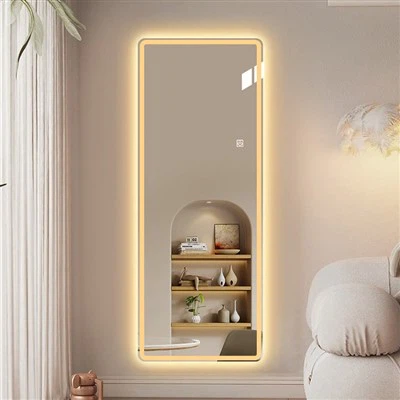
![Led Light Long Mirror]() Led Light Long MirrorThe led light long mirror has a good reflection effect and accurately reflects the body contours and details. Ourread more
Led Light Long MirrorThe led light long mirror has a good reflection effect and accurately reflects the body contours and details. Ourread more -
![Led Circle Light Mirror]() Led Circle Light MirrorThe led circle light mirror features a stylish and modern design, adding a stylish and modern feel to any room. Theread more
Led Circle Light MirrorThe led circle light mirror features a stylish and modern design, adding a stylish and modern feel to any room. Theread more -
![LED Mirror Arch]() LED Mirror ArchOur unique full-length lighted mirror will add a touch of sophistication to your home. The elegant arched designread more
LED Mirror ArchOur unique full-length lighted mirror will add a touch of sophistication to your home. The elegant arched designread more -
![Hexagon Vanity Mirror]() Hexagon Vanity MirrorApplication: Hotel, Bathroom Decoration, Bedroom. Design Style: Modern. Mirror: Copper-free environmentally friendlyread more
Hexagon Vanity MirrorApplication: Hotel, Bathroom Decoration, Bedroom. Design Style: Modern. Mirror: Copper-free environmentally friendlyread more