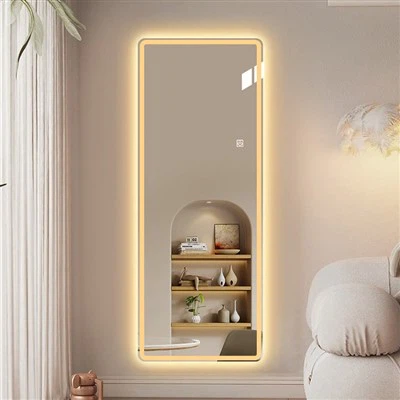
Your Leading Tinted Glass Supplier
Luck Glass is a comprehensive enterprise integrating product design, development, production and sales, specializing in the production and supply of various glass and mirror products. It has 15 glass and mirror deep processing production lines, producing 800,000 led mirrors. Among them, decorative glass products are mainly exported to more than 30 countries such as the United States, Britain, Australia, Saudi Arabia, Spain and Russia, and local designers and architects provide good decorative glass solutions!
Rich Experience
Luck Glass is a comprehensive enterprise integrating product design, development, production and sales, specializing in the production and supply of various glass and mirror products.
Reliable Product Quality
Most of our products have obtained CE, UL, ETL, SAA, ROHS, Reachcertificates, and other intemational quality approvals. And our company obtained the international ISO9001 quality management system and ISO14001 environmental management system certification.
Wide Market
Exported to more than 30 countries such as the United States, Britain, Australia, Saudi Arabia, Spain and Russia. Work with local designers and architects to provide quality decorative glass solutions.
Advanced Equipment
Luck Glass, a professional glass and mirror factory, equip with CNC cutting machine, automatic grinding machine, tempered furnace, insulated glass production line, Mirror edge beveling and polish; Applying the safety film and protective film; Laser Cutting; Mirror Sandblasting; Mirror Assembing; Mirror Assembing; Function checking and Testing; Testing for LED Light etc advance machines.
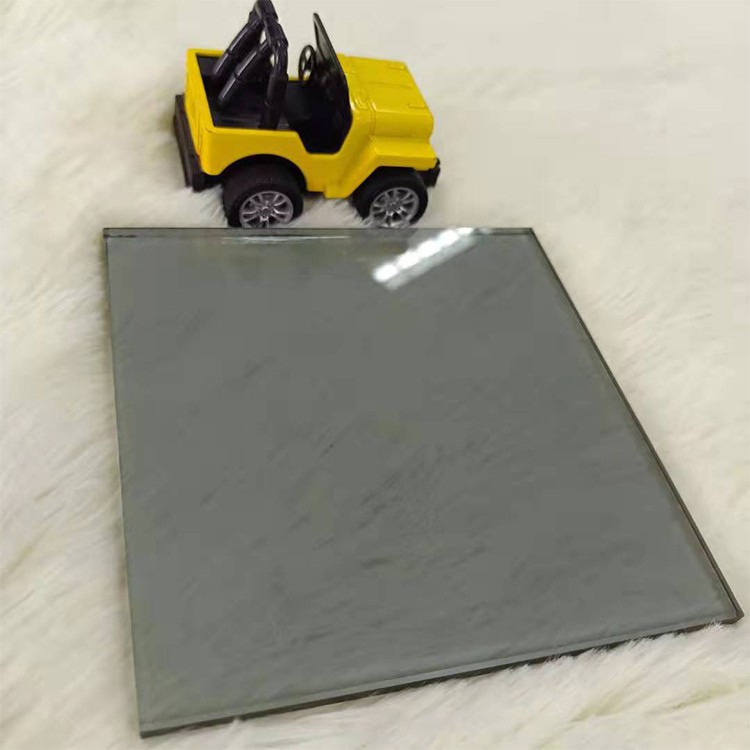
Tinted glass refers to a type of specialty glass manufactured using techniques that apply a thin coloured film during its manufacturing process, altering its visual properties such as transparency and heat absorption capabilities. By adding this additional layer, tinted glass offers many benefits for residential as well as commercial use.
-
![15mm Clear Glass]() 15mm Clear GlassReflective Glass / Tinted Glass is suitable for most types of facade glazing in buildings. It is used widely in small / large areas where reduction of solar heat is required to keep the interiors cool. Its attractive appearance alsoread more
15mm Clear GlassReflective Glass / Tinted Glass is suitable for most types of facade glazing in buildings. It is used widely in small / large areas where reduction of solar heat is required to keep the interiors cool. Its attractive appearance alsoread more -
![Euro Bronze Glass]() Euro Bronze GlassTinted Glass/Reflective Glass is intended for universal applications where an attractive appearance or basic solar control properties are required. Tinted glasses are widely used in places where both lighting and heat insulation areread more
Euro Bronze GlassTinted Glass/Reflective Glass is intended for universal applications where an attractive appearance or basic solar control properties are required. Tinted glasses are widely used in places where both lighting and heat insulation areread more -
![Euro Grey Glass]() Euro Grey GlassTinted Glass bronze glass is an energy-saving decorative material that not only absorbs heat rays from the sun, but also maintains good transparency, and has a bronze color. Only 25% of sunlight can pass through.read more
Euro Grey GlassTinted Glass bronze glass is an energy-saving decorative material that not only absorbs heat rays from the sun, but also maintains good transparency, and has a bronze color. Only 25% of sunlight can pass through.read more -
![Ultra Clear Glass]() Ultra Clear GlassUltra clear glass (also called extra clear glass, low iron glass) is an high transparent low iron content glass with light transmittance 91% or more. Ultra clear glass has the characteristics of low spontaneous breakages, high purity, moreread more
Ultra Clear GlassUltra clear glass (also called extra clear glass, low iron glass) is an high transparent low iron content glass with light transmittance 91% or more. Ultra clear glass has the characteristics of low spontaneous breakages, high purity, moreread more


Privacy
The most distinctive and apparent benefit of tinted glass is the privacy it offers. Whether for a car window, office window, or glass door, tinted glass offers much more privacy than regular clear glass. Tinted glass slightly obscures and darkens the image behind it, making it much more difficult for those passing by to see details through the glass. Privacy is important not only for your own comfort, but it’s also necessary for certain applications, such as protecting confidential information and valuable items. Because of this, tinted glass is often used for office windows and doors that face the public or home windows that face a busy street.
Security
Whenever privacy is increased, so is security. In the same way that tinted glass windows or door glass offer increased privacy, they also offer increased security. This is because the details of valuable items or confidential paperwork are hidden from view by the dark glass. When such details are hidden from view, it deters someone from wanting to break in and steal them. If break-ins or people looking into your space are a concern, then tinted glass is a great glass option to consider. Plus, if you choose tinted toughened glass, such as laminated glass or tempered glass, you’ll increase your security that much more.
UV Protection
Tinted glass has the added benefit of significantly reducing harmful UV rays (ultraviolet rays), which helps protect your skin and belongings. Furnishings, such as couches, wooden furniture, carpets, or rugs that are exposed to direct sunlight are likely to fade and discolor over time due to UV damage. This is also true for the interior of a vehicle. There are three types of UV rays: UVA, UVC, and UVB. Of those three, UVB rays and UVA rays are the biggest concern, as they can reach the Earth’s surface and increase your risk for skin cancer. While UVB rays can’t penetrate regular clear glass, UVA rays can. While people are at less risk for UV radiation within buildings, they are still exposed to UV radiation if they sit next to a sunny window all day.
Energy Efficiency
One lesser-known benefit of tinted glass is its energy efficiency. According to the Office of Energy Efficiency & Renewable Energy, energy efficiency is “the use of less energy to perform the same task or produce the same result.” Energy efficiency is also described as energy saving. Tinted glass is energy efficient because the colored glass absorbs solar heat and reduces the amount of natural light coming through, thus reducing solar heat gain. In the colder months, tinted glass will reflect the heat back into the home or business rather than letting it escape through the window glass. Because of its ability to reduce solar heat gain and maintain steady indoor temperatures, tinted glass can help you save on energy bills each month.
Comfort
When you combine all the benefits of tinted glass, one of the greatest outcomes you’ll receive is increased comfort. With tinted glass, you have elevated privacy, security, UV protection, and steadier indoor temperatures. All those factors result in a more peaceful and comfortable space.
Aesthetics
When it comes to interior and exterior design, it isn’t just about function. The element of style, beauty, and aesthetics also plays an important role. In this way, tinted glass has a style advantage. Not only is it a modern aesthetic in certain colors, but it can also create a retro or vintage look. With tinted glass windows and tinted door glass, you receive all the functional benefits and the undeniable style and aesthetics it brings to a space.
Shatter Protection
One unique benefit of tinted window film is its slight shatter protection. Because there is a film applied to the window glass, if the window were to break, the broken glass would stick to the film rather than shatter to the ground. However, this benefit depends on the force of impact on the glass, and a strong impact could override this advantage. Furthermore, this benefit only applies to the tinted window film, not factory tinted windows or glass. If you would like your window or tinted door glass to be completely shatterproof, consider choosing laminated glass. This glass type can be tinted, and has the advantage of advanced strength, impact resistance, and shatter protection.
Easy Maintenance
Tinted glass windows and tinted door glass are incredibly easy to maintain. Because the glass surface is smooth on both sides, it’s easy to wipe clean. Plus, the dark glass will help hide smudges, dirt, and fingerprints. To clean tinted glass, simply apply a regular glass cleaner or a bit of soapy water to the glass surface and wipe clean with a damp cloth. Then, dry with a clean, dry microfiber cloth for a streak-free finish. With factory tinted glass, you won’t have to worry about the tint scratching or fading over time.
Types of Tinted Glass
Dyed Tinted Glass
This type of glass has a layer of dye between the adhesive and the protective polyester top coating. Dyed glass absorbs solar energy, reducing heat and glare. It is available in various shades and colors.
Metalized Tinted Glass
Metalized glass contains tiny metallic particles that reflect heat and UV rays. This type of glass is more effective at reducing heat compared to dyed glass and offers additional strength and durability.
Hybrid Tinted Glass
Combining the properties of both dyed and metalized glass, hybrid tinted glass provides superior heat reduction, glare control, and UV protection. It also minimizes radio signal interference, which can be an issue with metalized glass.
Ceramic Tinted Glass
Ceramic glass is the most advanced type of tinted glass. It contains ceramic particles that block UV rays and infrared light without compromising visibility. Ceramic glass offers the highest level of performance, including superior heat reduction, clarity, and durability.
Residential Buildings
In homes, tinted glass is commonly used for windows and doors to improve energy efficiency, reduce glare, and enhance privacy. Homeowners also appreciate the added security and UV protection that tinted glass provides. Tinted glass helps in maintaining a stable indoor temperature by reducing solar heat gain, thus minimizing the need for air conditioning. This results in lower energy consumption and reduced utility bills. For homeowners, privacy is a significant concern. Tinted glass obscures the view from the outside while maintaining visibility from the inside, providing a sense of security and comfort. Tinted glass is available in various shades and colors, allowing homeowners to choose an option that complements their home’s exterior and interior design.
Commercial Buildings
Office buildings and commercial spaces utilize tinted glass to create a comfortable working environment. By reducing heat and glare, tinted glass helps maintain a consistent indoor temperature, contributing to employee productivity and comfort. By reducing glare on computer screens and minimizing heat, tinted glass creates a more comfortable and productive work environment. Employees are less likely to experience discomfort or distractions caused by excessive sunlight. Commercial buildings can significantly reduce their energy costs by installing tinted glass, as it reduces the need for air conditioning. This is particularly beneficial in large office buildings with extensive glass facades.
Automotive Industry
In the automotive sector, tinted glass is used for car windows to reduce heat and glare, protect passengers from UV rays, and enhance the vehicle’s overall appearance. Tinted glass also offers privacy and security, making it a popular choice among car owners. Tinted glass significantly improves the comfort of passengers by reducing the amount of heat and glare entering the vehicle. This makes for a more enjoyable driving experience, especially during long trips. Automotive tinted glass blocks harmful UV rays, protecting passengers from potential skin damage and preventing the car’s interior from fading or deteriorating over time. Tinted glass can help prevent shattered glass from scattering in the event of an accident, reducing the risk of injury. It also adds a layer of security by making it more difficult for potential thieves to see inside the vehicle.
Public Transport
Buses, trains, and other public transport vehicles often use tinted glass to provide passengers with a comfortable travel experience. By reducing heat and glare, tinted glass ensures a pleasant journey for commuters. Tinted glass helps maintain a cooler and more comfortable environment inside public transport vehicles, enhancing the overall travel experience for passengers. Public transport operators can benefit from the energy-saving properties of tinted glass, as it reduces the need for air conditioning and helps maintain a consistent temperature inside the vehicle. Tinted glass gives public transport vehicles a sleek and modern look, which can be appealing to passengers and improve the overall perception of the transit system.
Retail Spaces
Retailers use tinted glass to protect merchandise from UV damage and create an inviting shopping environment. Tinted glass also adds a layer of security by making it difficult for potential thieves to see inside. Tinted glass protects retail merchandise from the damaging effects of UV rays, preventing fading and deterioration. This is particularly important for items displayed near windows. By reducing heat and glare, tinted glass creates a more comfortable shopping environment for customers, encouraging them to spend more time in the store. Tinted glass adds a layer of security to retail spaces by making it difficult for potential thieves to see inside, reducing the likelihood of break-ins.
Preparation
Before installation, the glass surface must be thoroughly cleaned to remove any dirt, dust, or debris. This step is crucial to ensure proper adhesion of the tint film.
Cleaning Materials and Techniques: Professionals use specialized cleaning solutions and tools to ensure the glass is free of contaminants. This may include the use of ammonia-free cleaners, microfiber cloths, and squeegees.
Inspection: After cleaning, the glass is inspected for any imperfections or damage that could affect the installation process. Any issues must be addressed before proceeding.
Measuring and Cutting
The tint film is measured and cut to fit the specific dimensions of the glass. Precision is key to achieving a seamless and professional finish.
Tools for Measuring and Cutting: Technicians use specialized tools, such as precision knives, cutting mats, and measuring tapes, to ensure accurate measurements and cuts.
Custom Fit: Each piece of tint film is custom-cut to fit the unique dimensions of the glass, ensuring a perfect fit and optimal performance.
Application of Tint Film
The tint film is carefully applied to the glass surface using a special adhesive. Technicians use squeegees and other tools to smooth out any air bubbles and ensure the film adheres evenly.
Adhesive Types: Different types of adhesives are used depending on the type of tint film and the specific requirements of the installation. Some adhesives are designed for permanent applications, while others are removable.
Application Techniques: Technicians use various techniques to apply the tint film, including wet and dry application methods. The choice of technique depends on the type of film and the environmental conditions.

Drying and Curing
After application, the tint film needs time to dry and cure. This process can take several days, depending on environmental conditions. During this time, it is essential to avoid cleaning or disturbing the glass surface.
Curing Time: The curing time for tint film can vary based on factors such as temperature, humidity, and the type of film used. It is important to follow the manufacturer’s recommendations for optimal results.
Post-Installation Care: During the curing period, it is important to avoid cleaning the glass or exposing it to excessive moisture or temperature fluctuations. This helps ensure the adhesive bonds properly to the glass surface.
Final Inspection
Once the tint film has fully cured, a final inspection is conducted to ensure there are no imperfections, such as bubbles or creases. Any necessary adjustments are made to achieve a flawless finish.
Quality Control: Professionals conduct a thorough quality control check to ensure the tint film meets the required standards. This includes checking for any visual imperfections and ensuring the film adheres properly.
How Tinted Glass Works
Glass works by altering the properties of traditional glass through the application of a specialised thin film. This film is composed of tiny metallic particles that selectively absorb and reflect light, thereby modifying the natural transparency of the glass. The film is typically applied to one side of the glass, allowing it to have specific performance characteristics. Depending on the desired outcome, the film can be of various depths and darkness levels, allowing for a range of customization options.
Appearance: Tinted Glass
While this is a tight call, tinted glass will look more natural and professional than most window films. Since there is a smaller chance of poor installation, tinted glass will look more uniform. On the other hand, we should mention that window film's appearance is more flexible.
Cost: Window Film
When it comes to price, window film wins by a mile compared to tinted glass. Not only is the film itself often more cost-friendly, but it's less expensive to install as well. Additionally, changing out the film in the future costs less as well. The only caveat here is long-term savings. While window film can keep cold drafts out, keep in mind that it is not as effective as low-E tinted glass and may even void the warranty on your window itself.
Durability: Tinted Glass
With about double the lifespan of window film, tinted glass is the way to go if you plan to keep the same window glass feature for decades. For example, swapping out all your home's windows for smart glass or low-E glass is an investment that can change the overall efficiency of your home.
Ease of Installation: Window Film
You can install most window films on a weekend afternoon without a lot of fuss. That being said, it does take patience and a steady hand. For the most efficient and professional-looking results, hire a local home window tinting team to install window film.
Maintenance: Tinted Glass
All in all, tinted glass is typically highly durable. Many types of tinted glass—particularly low-E glass—feature additional qualities that repel water, sand, and dirt. Window film, meanwhile, has a habit of losing its adhesive over time and peeling at the edges, especially if it’s not installed correctly or is a lower-end brand.
Factors to Consider Before Using Tinted Glass
Time Required
One of the most important factors that you should consider before using tinted glass is the time taken to install the window tint film. Some of the factors that influence the installation time are the size of the glass, the types of glass, and whether or not the glass panel needs to be separated. The more pieces of files that need to be cut, the more time the installation process will take which makes installation time an absolutely necessary factor to consider before getting tinted glass.
Associated Cost
Another important factor that directly influences whether or not a person is willing to get the tinted glass installed is its cost. The cost of installing tinted glass in your home or office window takes into account the type of film you choose, its quality, and the time required to get the film installed. Tinted glass prices can vary heavily depending upon the factors mentioned above, so it’s crucial to compare the prices of different vendors and choose one which matches your budget the best.
Quality of the Tint
People often go for the cheaper option but make sure that you don’t compromise on quality. The quality of the tint directly influences numerous properties such as weather insulation, UV light filtering and looks. Cheap low-quality tinted glasses might not provide the same ambience or insulating properties when compared to high-quality ones available in the market. So make sure that the tinted glass you are investing in is of good quality and ticks all the boxes or you will be shopping for a new glass pretty soon.
Type of the Tint
This is another factor that you should keep in mind as not all window tint types can work on all window glasses. Most decorative and security tints do not block the same amount of sunlight when compared to solar tints. You can apply decorative and security tints to almost every window glass you can see around you as they do not put a lot of thermal stress.
While tinted glass windows may be easy to clean and maintain, this does not mean that they do not require any cleaning at all. They still need to be thoroughly cleaned once every six months to a year. This regular cleaning helps to prevent dirt, grime, or even mould from building up on them. Cleaning tinted glass windows can typically be done with a damp rag or brush and a simple cleaning solution. However, if you have stubborn stains on your window such as hard water stains, specialised window cleaning solutions and tools may be necessary.
Ultimate FAQ Guide to Tinted Glass
We're well-known as one of the leading tinted glass manufacturers and suppliers in China. If you're going to buy high quality tinted glass made in China, welcome to get more information from our factory. For price consultation, contact us.
tinted glass, Euro Grey Glass, 15mm Clear Glass-
![Led Light Long Mirror]() Led Light Long MirrorThe led light long mirror has a good reflection effect and accurately reflects the body contours and details. Ourread more
Led Light Long MirrorThe led light long mirror has a good reflection effect and accurately reflects the body contours and details. Ourread more -
![Led Circle Light Mirror]() Led Circle Light MirrorThe led circle light mirror features a stylish and modern design, adding a stylish and modern feel to any room. Theread more
Led Circle Light MirrorThe led circle light mirror features a stylish and modern design, adding a stylish and modern feel to any room. Theread more -
![LED Mirror Arch]() LED Mirror ArchOur unique full-length lighted mirror will add a touch of sophistication to your home. The elegant arched designread more
LED Mirror ArchOur unique full-length lighted mirror will add a touch of sophistication to your home. The elegant arched designread more -
![Hexagon Vanity Mirror]() Hexagon Vanity MirrorApplication: Hotel, Bathroom Decoration, Bedroom. Design Style: Modern. Mirror: Copper-free environmentally friendlyread more
Hexagon Vanity MirrorApplication: Hotel, Bathroom Decoration, Bedroom. Design Style: Modern. Mirror: Copper-free environmentally friendlyread more