Your Leading Reflective Glass Supplier
Luck Glass is a comprehensive enterprise integrating product design, development, production and sales, specializing in the production and supply of various glass and mirror products. It has 15 glass and mirror deep processing production lines, producing 800,000 led mirrors. Among them, decorative glass products are mainly exported to more than 30 countries such as the United States, Britain, Australia, Saudi Arabia, Spain and Russia, and local designers and architects provide good decorative glass solutions!
Rich Experience
Luck Glass is a comprehensive enterprise integrating product design, development, production and sales, specializing in the production and supply of various glass and mirror products.
Reliable Product Quality
Most of our products have obtained CE, UL, ETL, SAA, ROHS, Reachcertificates, and other intemational quality approvals. And our company obtained the international ISO9001 quality management system and ISO14001 environmental management system certification.
Wide Market
Exported to more than 30 countries such as the United States, Britain, Australia, Saudi Arabia, Spain and Russia. Work with local designers and architects to provide quality decorative glass solutions.
Advanced Equipment
Luck Glass, a professional glass and mirror factory, equip with CNC cutting machine, automatic grinding machine, tempered furnace, insulated glass production line, Mirror edge beveling and polish; Applying the safety film and protective film; Laser Cutting; Mirror Sandblasting; Mirror Assembing; Mirror Assembing; Function checking and Testing; Testing for LED Light etc advance machines.
Reflective glass is a type of glass that has been treated with a special coating that reflects light and heat. This coating is usually made of metal oxides, such as titanium dioxide, and it’s applied to the surface of the glass during manufacturing. The coating is so thin that it’s almost invisible, but it greatly impacts how the glass looks and behaves. The Reflective glass comes in various colors, from bronze and blue to silver and green. The color of the glass is determined by the type of metal oxide used in the coating. For example, a coating of titanium dioxide and iron oxide will give the glass a bronze color. In contrast, a coating made of titanium dioxide and silver will give the glass a silver color.
-
![Bronze Anti Sun Glass]() Bronze Anti Sun GlassAnti-reflective glass, also known as AR glass, is a coating glass with high light transmission. We use magnetron sputtering to form an anti-reflection coating on a single surface or two surfaces of ultra-clear glass, which significantlyread more
Bronze Anti Sun GlassAnti-reflective glass, also known as AR glass, is a coating glass with high light transmission. We use magnetron sputtering to form an anti-reflection coating on a single surface or two surfaces of ultra-clear glass, which significantlyread more -
![Non Reflective Tempered Glass]() Non Reflective Tempered GlassAnti-reflective coating glass also be called AR Glass, it can improve lighting transparency, about 1 side anti reflective coating, the highest lighting transparency can reach 95%. about 2 sides anti reflective coating, the highest lightingread more
Non Reflective Tempered GlassAnti-reflective coating glass also be called AR Glass, it can improve lighting transparency, about 1 side anti reflective coating, the highest lighting transparency can reach 95%. about 2 sides anti reflective coating, the highest lightingread more -
![AR Coated Tempered Glass]() AR Coated Tempered GlassAR Glass combine top grade float glass with most advanced Magnetron sputtering coating technology, reduces effectively the reflection of the glass itself, increases the transmittance of the glass, and makes the original color through theread more
AR Coated Tempered GlassAR Glass combine top grade float glass with most advanced Magnetron sputtering coating technology, reduces effectively the reflection of the glass itself, increases the transmittance of the glass, and makes the original color through theread more -
![Anti Glare Double Glazing]() Anti Glare Double GlazingAnti-Reflective Glass that is reflective glass, also known as anti-reflection glass, is the use of magnetron sputtering on the two surface of the ultra white glass anti reflective film, greatly reducing the surface reflectance of glass,read more
Anti Glare Double GlazingAnti-Reflective Glass that is reflective glass, also known as anti-reflection glass, is the use of magnetron sputtering on the two surface of the ultra white glass anti reflective film, greatly reducing the surface reflectance of glass,read more -
![Anti Reflective Art Glass]() Anti Reflective Art GlassThe surface of the anti reflective art glass has a coating that reduces the reflected light on its surface. Anti reflective art glass reduces the light reflection of the surface, so that the transmission rate is as high as 96% to 99%. Muchread more
Anti Reflective Art GlassThe surface of the anti reflective art glass has a coating that reduces the reflected light on its surface. Anti reflective art glass reduces the light reflection of the surface, so that the transmission rate is as high as 96% to 99%. Muchread more -
![Ar Reflection Free Glass]() Ar Reflection Free GlassAr reflection free glass is a type of glass that has been specially treated or coated on the surface. Ar reflection free glass has the function of reducing light reflection, so it can reduce light pollution. The thickness of the glass canread more
Ar Reflection Free GlassAr reflection free glass is a type of glass that has been specially treated or coated on the surface. Ar reflection free glass has the function of reducing light reflection, so it can reduce light pollution. The thickness of the glass canread more -
![Anti Glare Glazing]() Anti Glare GlazingThe light transmittance of anti glare glazing can reach 98%. Thickness and size can be customized. The impact resistance of anti glare glazing is strong, and the impact performance of 3mm thick anti glare glazing is equivalent to 6mmread more
Anti Glare GlazingThe light transmittance of anti glare glazing can reach 98%. Thickness and size can be customized. The impact resistance of anti glare glazing is strong, and the impact performance of 3mm thick anti glare glazing is equivalent to 6mmread more -
![Anti Glare Picture Glass]() Anti Glare Picture GlassThe surface of the anti glare picture glass has a coating that reduces the reflected light on its surface. Non glare glass coating reduces the light reflection of the surface, so that the transmission rate is as high as 96% to 99%. Muchread more
Anti Glare Picture GlassThe surface of the anti glare picture glass has a coating that reduces the reflected light on its surface. Non glare glass coating reduces the light reflection of the surface, so that the transmission rate is as high as 96% to 99%. Muchread more -
![Non Glare Glass Coating]() Non Glare Glass CoatingThe surface of the anti-reflective glass has a coating that reduces the reflected light on its surface. Anti-reflective glass reduces the light reflection of the surface, so that the transmission rate is as high as 96% to 99%. Much higherread more
Non Glare Glass CoatingThe surface of the anti-reflective glass has a coating that reduces the reflected light on its surface. Anti-reflective glass reduces the light reflection of the surface, so that the transmission rate is as high as 96% to 99%. Much higherread more -
![Non Reflective Museum Glass]() Non Reflective Museum GlassNon reflective museum glass is a glass technology that uses a magnetron sputtering coating to coat the glass surface with an anti-reflection coating. Non reflective museum glass is widely used in TV LCD cover glass, led lighting coverread more
Non Reflective Museum GlassNon reflective museum glass is a glass technology that uses a magnetron sputtering coating to coat the glass surface with an anti-reflection coating. Non reflective museum glass is widely used in TV LCD cover glass, led lighting coverread more -
![Non Reflective Glazing]() Non Reflective GlazingThe main feature of AR glass is that it can reduce the reflection of light.Non reflective glazing is widely used in display glass,led lighting glass, high-grade picture frame glass and so on. The thickness of the glass can be selectedread more
Non Reflective GlazingThe main feature of AR glass is that it can reduce the reflection of light.Non reflective glazing is widely used in display glass,led lighting glass, high-grade picture frame glass and so on. The thickness of the glass can be selectedread more -
![One Way Tempered Glass]() One Way Tempered Glass1) Both indoor and outdoor can be used;. 2) The glass surface is scratch resistant and easy to clean;. 3) Can be thermal processed by yourself;. 4) It is with strong machinability and can be Flat curved, tempered, edged, punched, hollowed,read more
One Way Tempered Glass1) Both indoor and outdoor can be used;. 2) The glass surface is scratch resistant and easy to clean;. 3) Can be thermal processed by yourself;. 4) It is with strong machinability and can be Flat curved, tempered, edged, punched, hollowed,read more


Anti-glare features
Reflective glass windows offer a peaceful indoor environment by reducing harsh solar glare and allowing the optimal amount of sunlight to infiltrate the glass. The tint eliminates the need for blinds, creating an enhanced sense of space.
Energy efficiency
Reflective glass with a low-e coating bolsters your building’s energy efficiency, reducing energy bills, enhancing temperature comfort, and minimizing the need for artificial lighting. Your building may even earn LEED status and Energy Star credits if you combine non-glare glass with other efficiency-boosting solutions.
Varied color choices
Reflective glass isn’t one-size-fits-all. Choose from numerous shades like bronze, silver, dark grey, green, and blue. With so many choices, it’s easy to coordinate with your structure’s framing, paneling, or stonework.
Beautiful appearance
Few sights are more striking in an urban skyline than a stunning glass office building. The reflective glass of your structure’s exterior changes with the evolving sky. At dawn, it mirrors the breathtaking sunrise, while at dusk, it captures the blazing sunset. This ever-shifting appearance turns your building into an alluring piece of art.
Privacy
Besides its aesthetic appeal, reflective glass provides privacy by acting like a one-way mirror, making the inside hard to see from the outside. This allows building occupants to enjoy panoramic views without giving up their privacy.
Summer comfort
Reflective glass cuts back on solar glare and heat while allowing plenty of natural light to filter through, improving thermal comfort. This makes it ideal for buildings exposed to intense sunlight, particularly during Florida’s sweltering summer months.
Health benefits
The hue of reflective glass isn’t just for visual appeal or indoor comfort. The coating also prevents ultraviolet (UV) and infrared (IR) rays from penetrating the glass, protecting occupants from their harmful effects. Reflective glass also extends the life of your upholstery, carpet, and wall finishes by preventing premature color fading.
Types of Reflective Glass
Dichroic Glass
Dichroic glass is glass which can display multiple different colors depending on lighting conditions. One dichroic material is a modern composite non-translucent glass that is produced by stacking layers of metal oxides which give the glass shifting colors depending on the angle of view, causing an array of colors to be displayed as an example of thin-film optics. The resulting glass is used for decorative purposes such as stained glass, jewelry and other forms of glass art. The commercial title of "dichroic" can also display three or more colors (trichroic) and even iridescence in some cases. The term dichroic is used more precisely when labelling interference filters for laboratory use.
Anti Reflective Glass
Anti reflective glass, which is also commonly shortened to AR glass, is a special type of glass that has been coated to reduce light reflections. As a result, it appears more transparent and makes the view through it clearer than that of normal, uncoated glass. Non reflective glass is made by coating normal glass — usually low iron glass — with a special thin, transparent material. This material must offer a clear view. On the other hand, the coating must provide a refractive index that is different from that of the glass substrate. A single layer may be used to make anti-reflective glass film, or it can be multiple layers (up to 10 or more) with varying degrees of thickness. Most often, several layers are used. These offer enhanced performance when it comes to reducing reflections, ensuring a transparency level that make the glass almost invisible.
One Way Glass
One way glass is also called a two-way mirror glass or a half-silvered mirror glass. One way glass is a kind of glass that is transparent on one side and reflective on the other, unlike standard glass, which is transparent on both sides. A thin, almost transparent metallic coating is applied on the surface one of the glass surfaces. This enables more light to penetrate through the coated surface as compared to the little amount of light that it reflects. However, to work efficiently, one side of the mirror requires twice the amount of light that the other side is receiving. In this way, the darkened side can see through the brightly lit side but not vice-versa. This is also a reason because of which the glass is called one way glass. For those on the bright side of the glass, it is like any other mirror glass, but for those on the darker side, one way glass acts like a transparent glass.

Office Space Partition
In modern open-plan office spaces, privacy can be a concern. Reflective glass can be used to create partitions that provide both privacy and visual interest. By using a gradient of reflective coatings, the glass can create a sense of depth and dimensionality, while still maintaining a level of privacy for individual workspaces.
Retail Display Cases
Reflective glass can be used in retail display cases to create a sense of luxury and exclusivity. By using a tinted reflective coating, the glass can enhance the colors and textures of the products on display, while also providing a sense of privacy and security.
Residential Skylights
Skylights are a popular feature in modern residential design, but they can also cause problems with heat gain and glare. Reflective glass can be used in skylights to reduce these issues, while still allowing natural light to enter the space. By using a reflective coating that matches the color of the roof, the skylight can blend seamlessly into the architecture of the home.
Art Installations
Reflective glass can be used in art installations to create an interactive experience for viewers. By using a combination of reflective coatings and lighting, the glass can create a sense of movement and depth, while also reflecting the surrounding environment. This can create a dynamic and immersive experience for the viewer.
Exterior Cladding
Reflective glass can be used as an exterior cladding material to create a striking and modern facade. By using a patterned or textured reflective coating, the glass can create a sense of depth and dimensionality, while also reflecting the surrounding environment. This can create a dynamic and ever-changing facade that responds to the changing light and weather conditions.
Reflective Glass vs. Tinted Glass for Home
Reflective glass is transparent and allows you to see out of your home while still protecting it from the sun’s harmful UV rays. Tinted glass is less transparent and darkens the view from inside your home, which can be useful if you’re trying to keep your house cool in the summer or warm in the winter.
Energy Efficiency
Reflective glass is more energy-efficient than tinted glass because it allows more light into your home, which cuts down on the need for artificial lighting during sunny days. It also helps keep your house cooler by reflecting away some of the heat from outside (especially when combined with reflective insulation). Tinted glass blocks out more of that heat, but it also blocks out more light as well, leaving you with an artificial lighting problem during sunny days.
Temperature Control
Tinted glass will help keep your house cooler in the summertime by keeping out some of that bright sunlight, which means less heating bill! In wintertime, though? Not so much; since tinted windows block out most of that natural heat, they can make a room uncomfortably cold when there’s no other source of heat around (like a fireplace or something).
Privacy
Reflective glass for windows is best for rooms where you want to be able to see out but not be seen from outside, like a bedroom or bathroom window. Tinted glass is better for keeping prying eyes out of your home.
Cost
Tinted windows can cost up to three times as much as reflective windows because they’re harder to manufacture and require special equipment to install properly. However, if you’re looking for privacy without sacrificing too much light or heat coming through your windows, this could be worth paying extra for!
The most important aspect of sustainability is the fact that it is a renewable resource. Unlike traditional glass, which is made from sand and limestone, reflective glass is made from recycled glass and other waste products. This makes it possible for companies to use more of their resources in making this product, which means less waste and pollution overall.
The second factor that makes reflective glass sustainable is its ability to reflect heat. This means that buildings that use this type of material are more energy efficient, as they require less cooling than other types of buildings. The less energy required by these buildings means less carbon dioxide emissions as well, which helps reduce global warming.
Lastly, reflective glass is also very durable and long-lasting. It can withstand harsh weather conditions without breaking or cracking.

Reflective glass is made using a process called pyrolysis. This process involves heating the glass to a very high temperature and then applying the metal oxide coating to the surface while the glass is still hot. The metal oxide coating is then fused to the glass, creating a strong bond resistant to fading, scratching, and weathering. Here’s a step-by-step guide to how reflective glass is made:
● The raw materials for the glass are melted in a furnace at temperatures above 1500°C.
● The molten glass is then poured onto a bed of molten tin, which smooths out the surface of the glass and gives it a uniform thickness.
● The glass is then heated to a temperature of around 600°C.
● While the glass is hot, the metal oxide coating is applied to the surface using magnetron sputtering.
● The coated glass is then cooled slowly to room temperature, which allows the metal oxide coating to bond with the glass.
● The glass is then cut to size and tempered, which makes it stronger and more durable.
How Does Reflective Glass Work
Reflective window tint film can give glass the effect of being a one-way mirror. As a rule, the darker and more reflective the film, the stronger the one-way mirror effect will be. Consequently, the lower the lighting difference you will require before it becomes apparent.
However, it is the surrounding lighting conditions that actually dictate how well the mirror effect will work. The side with the most light is the side that will see a mirrored effect. In contrast, the other side will be able to see through. During the day you can see outside but passers-by won’t be able to see in. In the evening, the effect is reversed. When it is dark outside and the lights are on inside, then people can see in. Consequently, you would be able to see your own reflection while inside the building.
Ultimately, the greater the light difference, the stronger the mirror effect will be. When the ratio is smaller (similar light levels on both sides) we get a ghosting effect. In other words, it partially works on both sides. The key point is that the film is only part of the process, as lighting conditions play a major role in its productivity.
The Power of Reflective Glass: Enhancing Aesthetics and Energy Efficiency
Enhance Aesthetics with Reflective Glass
Reflective glass by Saint-Gobain Glasses adds a touch of elegance and sophistication to buildings. This type of glass features a highly reflective coating on one side, which creates a mirror-like appearance. The reflective surface not only adds a modern and sleek look to the building’s exterior but also enhances privacy during the daytime by reflecting the outside view. Whether it’s a commercial building, a residential complex, or an iconic architectural masterpiece, reflective glass elevates the aesthetic appeal of any structure.
Energy Efficiency through Solar Control
Apart from its aesthetic benefits, reflective glass plays a crucial role in energy efficiency. The reflective coating applied to the glass surface helps to control the solar heat gain, reducing the need for excessive air conditioning and improving thermal comfort indoors. By reflecting a significant amount of solar radiation, reflective glass minimizes heat penetration, keeping the interiors cooler during hot summer days. This results in reduced energy consumption and lower cooling costs, making it an eco-friendly choice for buildings.
Protection Against Harmful UV Rays
Harmful ultraviolet (UV) rays present in sunlight can cause various health issues and fade interior furnishings over time. Reflective glass by Saint-Gobain Glasses provides excellent protection against UV radiation, blocking up to 99% of UV rays. This protection helps safeguard occupants from harmful effects and prevents fading or discoloration of furniture, carpets, and artwork. With reflective glass, you can enjoy natural light without compromising on your well-being or the longevity of your interior décor.
Glare Reduction for Visual Comfort
Excessive glare can be a nuisance, causing discomfort and hindering productivity. Reflective glass effectively reduces glare, providing a visually comfortable environment. The reflective coating on the glass surface helps to minimize the amount of direct sunlight entering the building, reducing glare on screens, displays, and other surfaces. This enhances the visual comfort of occupants, making it ideal for offices, educational institutions, and other spaces where clear visibility is crucial.
Versatile Applications for Every Project
From subtle reflections to bold mirrored effects, their comprehensive portfolio ensures there’s a perfect solution for every project. Whether it’s for facades, windows, or interior partitions, reflective glass adds a touch of uniqueness and elegance to any building. With its versatility, durability, and energy-saving properties, reflective glass is a preferred choice for architects, designers, and building owners alike.
Regular Cleaning
The first and most important step in maintaining reflective glass is regular cleaning. This should be done at least once a month, or more frequently in areas with high levels of pollution or dust. To clean the glass, you will need a soft cloth or sponge, a bucket of warm water, and a mild detergent. Avoid using harsh chemicals or abrasive materials, as they can scratch or damage the glass. Start by wetting the cloth or sponge in the warm water, and then add a small amount of detergent. Gently wipe the glass in a circular motion, being careful not to apply too much pressure. Rinse the glass with clean water, and then dry it with a soft, lint-free cloth.
Removing Stubborn Stains
If there are stubborn stains on the reflective glass, such as grease or paint, you may need to use a stronger cleaning solution. One effective method is to mix equal parts of vinegar and water in a spray bottle. Spray the solution onto the stained area, and let it sit for a few minutes. Then, use a soft cloth or sponge to gently scrub the stain, and rinse with clean water.
Preventing Scratches
To prevent scratches on the reflective glass, avoid using abrasive materials such as steel wool or harsh chemicals. Instead, use a soft cloth or sponge and a mild detergent. When drying the glass, use a soft, lint-free cloth to avoid leaving scratches or streaks.
Protecting the Glass
To protect the reflective glass from damage, it is important to take some preventive measures. For example, avoid placing heavy objects or furniture near the glass, as they can scratch or damage it. Use curtains or blinds to reduce direct sunlight, as excessive heat can cause the glass to crack or warp. Finally, consider applying a protective coating to the glass, which can help to reduce the risk of scratches and other damage.
Ultimate FAQ Guide to Reflective Glass
We're well-known as one of the leading reflective glass manufacturers and suppliers in China. If you're going to buy high quality reflective glass made in China, welcome to get more information from our factory. For price consultation, contact us.
-
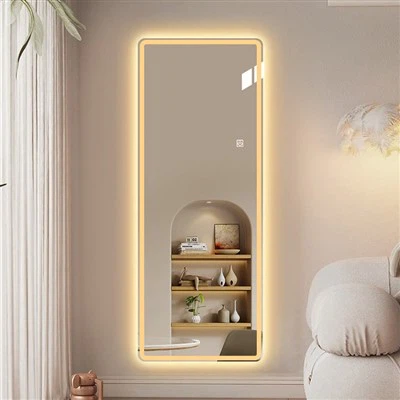
![Led Light Long Mirror]() Led Light Long MirrorThe led light long mirror has a good reflection effect and accurately reflects the body contours and details. Ourread more
Led Light Long MirrorThe led light long mirror has a good reflection effect and accurately reflects the body contours and details. Ourread more -
![Led Circle Light Mirror]() Led Circle Light MirrorThe led circle light mirror features a stylish and modern design, adding a stylish and modern feel to any room. Theread more
Led Circle Light MirrorThe led circle light mirror features a stylish and modern design, adding a stylish and modern feel to any room. Theread more -
![LED Mirror Arch]() LED Mirror ArchOur unique full-length lighted mirror will add a touch of sophistication to your home. The elegant arched designread more
LED Mirror ArchOur unique full-length lighted mirror will add a touch of sophistication to your home. The elegant arched designread more -
![Hexagon Vanity Mirror]() Hexagon Vanity MirrorApplication: Hotel, Bathroom Decoration, Bedroom. Design Style: Modern. Mirror: Copper-free environmentally friendlyread more
Hexagon Vanity MirrorApplication: Hotel, Bathroom Decoration, Bedroom. Design Style: Modern. Mirror: Copper-free environmentally friendlyread more