Your Leading Decorative Glass Supplier
Luck Glass is a comprehensive enterprise integrating product design, development, production and sales, specializing in the production and supply of various glass and mirror products. It has 15 glass and mirror deep processing production lines, producing 800,000 led mirrors. Among them, decorative glass products are mainly exported to more than 30 countries such as the United States, Britain, Australia, Saudi Arabia, Spain and Russia, and local designers and architects provide good decorative glass solutions!
Rich Experience
Luck Glass is a comprehensive enterprise integrating product design, development, production and sales, specializing in the production and supply of various glass and mirror products.
Reliable Product Quality
Most of our products have obtained CE, UL, ETL, SAA, ROHS, Reachcertificates, and other intemational quality approvals. And our company obtained the international ISO9001 quality management system and ISO14001 environmental management system certification.
Wide Market
Exported to more than 30 countries such as the United States, Britain, Australia, Saudi Arabia, Spain and Russia. Work with local designers and architects to provide quality decorative glass solutions.
Advanced Equipment
Luck Glass, a professional glass and mirror factory, equip with CNC cutting machine, automatic grinding machine, tempered furnace, insulated glass production line, Mirror edge beveling and polish; Applying the safety film and protective film; Laser Cutting; Mirror Sandblasting; Mirror Assembing; Mirror Assembing; Function checking and Testing; Testing for LED Light etc advance machines.
Glass that is used for more than just a functional purpose—particularly if it is designed to be pretty or change the look of the space in which it is used—is decorative glass (also known as ornamental glass). Easily recognizable use of decorative glass might be frosted, colored or textured glass in doors, which can be found in residential as well as corporate buildings. Stained glass is also a type of decorative glass.
-
![Glass With Fabric Interlayer]() Glass With Fabric InterlayerFabric glass is a composite material. It has a unique aesthetic effect and practical function. Fabric glass color options are transparent, bronze (amber), green, blue, gray, etc. The thickness and size of fabric glass can be customized. Inread more
Glass With Fabric InterlayerFabric glass is a composite material. It has a unique aesthetic effect and practical function. Fabric glass color options are transparent, bronze (amber), green, blue, gray, etc. The thickness and size of fabric glass can be customized. Inread more -
![Fabric Mesh Laminated Glass]() Fabric Mesh Laminated GlassFabric mesh laminated glass is an innovative composite material. It combines the advantages of glass and fabric. If you choose to customize, the size and fabric color can be selected. Thickness can be selected: 3mm, 5mm, 6mm, 8mm, 10mm,read more
Fabric Mesh Laminated GlassFabric mesh laminated glass is an innovative composite material. It combines the advantages of glass and fabric. If you choose to customize, the size and fabric color can be selected. Thickness can be selected: 3mm, 5mm, 6mm, 8mm, 10mm,read more -
![Textured Toughened Glass]() Textured Toughened GlassAs a kind of architectural material with both aesthetics and functionality, textured toughened glass has a wide application prospect. The size of the textured toughened glass can be customized. Thickness is also available. The colorread more
Textured Toughened GlassAs a kind of architectural material with both aesthetics and functionality, textured toughened glass has a wide application prospect. The size of the textured toughened glass can be customized. Thickness is also available. The colorread more -
![Decorative Textured Glass]() Decorative Textured GlassDecorative textured glass is a type of glass with a variety of patterns, textures, or bumps on the surface. Decorative textured glass has a variety of thicknesses to choose from: 3mm, 4mm, 5mm, 10mm, 12mm, etc. The size of the decorativeread more
Decorative Textured GlassDecorative textured glass is a type of glass with a variety of patterns, textures, or bumps on the surface. Decorative textured glass has a variety of thicknesses to choose from: 3mm, 4mm, 5mm, 10mm, 12mm, etc. The size of the decorativeread more -
![Laminated Glass Metal Mesh]() Laminated Glass Metal MeshLaminated glass metal mesh is an innovative composite material. It combines the advantages of glass and fabric. If you choose custom, the thickness can be selected: 3mm, 4mm, 5mm, 5.5mm, 6mm, 8mm, 10mm, 12mm and so on. Sizes and colors areread more
Laminated Glass Metal MeshLaminated glass metal mesh is an innovative composite material. It combines the advantages of glass and fabric. If you choose custom, the thickness can be selected: 3mm, 4mm, 5mm, 5.5mm, 6mm, 8mm, 10mm, 12mm and so on. Sizes and colors areread more -
![Laminated Glass Fabric]() Laminated Glass FabricLaminated glass fabric is a composite material in which fabric is embedded into glass. It has a unique aesthetic effect and practical function. Laminated glass fabric thickness and size can be customized. Colors are transparent, bronzeread more
Laminated Glass FabricLaminated glass fabric is a composite material in which fabric is embedded into glass. It has a unique aesthetic effect and practical function. Laminated glass fabric thickness and size can be customized. Colors are transparent, bronzeread more -
![Laminated Fabric Glass]() Laminated Fabric GlassAny design of laminated fabric glass can be customized. There are many options for thickness: 3mm, 4mm, 5mm, 5.5mm, 6mm, 8mm, 10mm, 12mm and so on. The size of the glass can be selected 2440*1830mm, 1650*2200mm, 1900*3000, etc. Colors areread more
Laminated Fabric GlassAny design of laminated fabric glass can be customized. There are many options for thickness: 3mm, 4mm, 5mm, 5.5mm, 6mm, 8mm, 10mm, 12mm and so on. The size of the glass can be selected 2440*1830mm, 1650*2200mm, 1900*3000, etc. Colors areread more -
![Reeded Glass Texture Seamless]() Reeded Glass Texture SeamlessReeded glass texture seamless has high transmittance and excellent optical properties. Available in a variety of colors: transparent, bronze, gray, blue, green, amber, purple, orange, etc. Paymen: 30% deposit, 70% after B/L copy. Package:read more
Reeded Glass Texture SeamlessReeded glass texture seamless has high transmittance and excellent optical properties. Available in a variety of colors: transparent, bronze, gray, blue, green, amber, purple, orange, etc. Paymen: 30% deposit, 70% after B/L copy. Package:read more -
![Reeded Glass Texture]() Reeded Glass TextureReeded glass texture is available in a variety of thicknesses: 3mm, 4mm, 5mm, 10mm, 12mm, etc. Variety of colors: transparent, bronze, gray, blue, orange, etc. Decorative glass texture has high transmittance and excellent opticalread more
Reeded Glass TextureReeded glass texture is available in a variety of thicknesses: 3mm, 4mm, 5mm, 10mm, 12mm, etc. Variety of colors: transparent, bronze, gray, blue, orange, etc. Decorative glass texture has high transmittance and excellent opticalread more -
![Sandwich Fabric Glass]() Sandwich Fabric GlassCustomizable sandwich fabric glass. Sandwich materials are available for selection and customization. There are also a variety of colors, such as transparent, bronze (amber), blue, gray and so on. Can be used for shower doors/bathrooms,read more
Sandwich Fabric GlassCustomizable sandwich fabric glass. Sandwich materials are available for selection and customization. There are also a variety of colors, such as transparent, bronze (amber), blue, gray and so on. Can be used for shower doors/bathrooms,read more -
![Patterned Glass Texture]() Patterned Glass TexturePatterned glass texture has a colorful pattern that provides a unique decorative effect. The three-dimensional pattern on its surface will not fade. There are many colors to choose from: transparent, bronze, gray, blue, green, amber,read more
Patterned Glass TexturePatterned glass texture has a colorful pattern that provides a unique decorative effect. The three-dimensional pattern on its surface will not fade. There are many colors to choose from: transparent, bronze, gray, blue, green, amber,read more -
![Decorative Glass Texture]() Decorative Glass TextureDecorative glass texture available in a variety of thicknesses: 3mm, 4mm, 5mm, 6mm, 8mm, 10mm, 12mm. Variety of colors: transparent, bronze, gray, blue, orange, etc.Decorative glass texture high light transmittance, excellent opticalread more
Decorative Glass TextureDecorative glass texture available in a variety of thicknesses: 3mm, 4mm, 5mm, 6mm, 8mm, 10mm, 12mm. Variety of colors: transparent, bronze, gray, blue, orange, etc.Decorative glass texture high light transmittance, excellent opticalread more


Benefits of Decorative Glass in Design
Create Your Centerpiece
First and foremost, decorative glass can serve as a focal point in any room. Its intricate designs and patterns can draw the eye and create a visually stunning element in the space. Whether used as a partition wall or as decorative panels, glass can create a unique and sophisticated atmosphere that is both inviting and memorable.
Maintain Light Transfer While Adding Privacy
Another benefit of decorative glass is its ability to provide privacy without sacrificing natural light. This is particularly important in hospitality settings where privacy is often necessary, but natural light is desirable. Decorative glass partitions can separate different areas of a room while still allowing light to pass through, creating a bright and airy feel that is both practical and aesthetically pleasing.
Continue Your Branding, Colors, and Designs Across Multiple Surfaces
In addition to its practical uses, decorative glass can also serve as a means of brand expression. Customized glass designs can incorporate brand logos or images, creating a cohesive look and feel that reinforces brand identity. For example, a hotel lobby could incorporate a custom glass installation that showcases the hotel’s logo or emblem. This not only reinforces the brand’s identity but also creates a visually stunning element that can be easily recognized and remembered by guests.
Go Green With Glass
Decorative glass can also serve as a sustainable design choice. As a material, glass is recyclable and long-lasting, reducing waste and minimizing the need for replacements. In addition, decorative glass can be made using eco-friendly production methods, such as our low-VOC water based back paints, further reducing its environmental impact. This makes it an excellent choice for hotels and restaurants looking to make a positive impact on the environment.
Unlimited Decorative Options and Versatility
Finally, decorative glass is a versatile material that can be used in a variety of ways. From intricate etchings to bold colors and patterns, there is no limit to the design possibilities. Whether used as a partition, a feature wall, or a decorative panel, glass can create a unique and memorable look that is both functional and visually stunning.
Types of Decorative Glass
Stained Glass
Stained glass is perhaps the most recognisable form of decorative glass. It is created by adding metallic salts to molten glass, resulting in a wide range of colors. Traditionally, stained glass was used in churches and other religious buildings, but it has now found its way into homes and other architectural structures. This type of glass can be used in windows, doors, and even as wall art.
Etched Glass
Etched glass is created by using acid or other abrasive materials to create intricate designs on the surface of the glass. This technique results in a frosted appearance, offering privacy while still allowing light to pass through. Etched glass is commonly used for shower doors, room dividers, and window panes.
Textured Glass
Textured glass, also known as patterned glass, features various patterns, textures, and designs on one or both sides of the glass. The texture can be formed by rolling the molten glass between two textured rollers or by molding it. Textured glass allows light to pass through while providing varying levels of privacy, depending on the pattern's intricacy. This type of glass is often used in bathroom windows, doors, and partitions.
Fused Glass
Fused glass is created by layering different pieces of colored glass and then heating them in a kiln until they melt together. The result is a unique, vibrant piece of art that can be used for various purposes, such as wall art, countertops, and backsplashes. Fused glass is an excellent choice for those looking to add a touch of personalisation and creativity to their space.
Leaded Glass
Leaded glass, also known as leaded crystal or leaded windows, is made by combining small pieces of glass with lead cames (thin strips of lead). The lead cames hold the glass pieces together, creating intricate designs and patterns. It provides a classic, timeless look and is often used in cabinets, doors, and windows.
Beveled Glass
Beveled glass is created by cutting the edges of a glass piece at an angle, resulting in a polished, prism-like effect. When light passes through beveled glass, it refracts and creates a beautiful, eye-catching display. It is often used in mirrors, table tops, and decorative windows.
Dichroic Glass
Dichroic glass is a unique type of glass that reflects and transmits different colors depending on the angle of light. It is created by applying multiple layers of metallic oxides to the glass surface, which gives it its distinctive appearance. Dichroic glass can be used in various applications, such as jewelry, artwork, and architectural features.
Back-Painted Glass
Back-painted glass serves as a sleek and modern decorative solution. This glass type involves applying a coat of paint to the back surface, creating a vibrant, glossy finish on the front. It is commonly used in kitchen backsplashes, wall panels, and signage, offering a seamless and easy-to-clean alternative to traditional materials.

Captivating partitions.
Decorative glass is a visually striking and functional partition solution, offering a seamless blend of openness and privacy. Whether dividing office spaces or creating private nooks in residential homes, these partitions enhance the esthetic appeal of a space while maintaining a sense of connectivity. The transparency of decorative glass allows natural light to flow through, creating a bright and inviting atmosphere.
Elegant doors.
Gone are the days of traditional, mundane doors. Decorative glass transforms entryways and interior doors into works of art. Rice paper glass or tinted glass adds a touch of elegance, creating a captivating visual impact. This application is efficient in commercial settings, such as boutiques and upscale offices, where the entrance sets the tone for the entire space. If security is a concern, adding coloured laminated glass to your doors increases natural light flow and security.
Stylish room dividers
In open-concept living or working spaces, decorative glass room dividers offer a stylish and practical solution. These dividers define specific areas without compromising the overall sense of openness. The intricate designs and patterns on the glass provide a sense of esthetic continuity, allowing for a seamless transition between different room sections.
Decorative elements.
Decorative glass finds its place as an ornamental element within office spaces, adding a touch of sophistication to conference rooms, reception areas and executive offices. From frosted glass with company logos to intricate patterns that enhance branding, decorative glass is pivotal in creating a professional and visually appealing environment.
Customized designs
One of the standout features of decorative glass is its versatility in customization. Glass bending creates customized contoured glass that can add dazzle to any living space. Additionally, creating unique designs, patterns and textures allows for a personalized touch in interior design. Whether incorporating a company logo into glass partitions or designing decorative elements for a home, the possibilities are limitless.
Decorative glass is a popular choice for homeowners who want to add a unique look to their home. While installing decorative glass is fairly easy, there are several factors that can affect the final appearance of the finished project.
One of the biggest challenges is figuring out how much glass to buy. Most homeowners end up overspending on the project, especially since they usually purchase the wrong type of glass. When choosing the right type of glass, consider the following points:
● What kind of light does the space receive? Is it bright sunlight or dim lighting?
● How large is the area that needs to be covered?
● Will the glass be installed indoors or outdoors?
● Does the glass need to withstand extreme temperatures?
● Are there any special requirements for installation?
To avoid making costly mistakes, it’s recommended that you hire a professional installer to complete the job. Professional installers typically charge less money and offer additional services, including cleaning and polishing.
After the glass is installed, it’s important to clean it regularly to maintain its beauty. Cleaning the glass involves wiping down the surface with a damp cloth and then rinsing it thoroughly with water. Make sure to dry the glass completely before applying another coat of paint or sealant.
In addition to cleaning, it’s important to protect the glass from moisture and other elements that could damage it. For example, if the glass is located near a window, it might be exposed to rain or snow. To prevent this, apply a clear silicone caulk to the edges of the glass.
Finally, if you decide to repaint the glass, choose a color that complements the rest of the room. Doing so will create a cohesive look and give the room a modern feel.
How to Fix Cracked Decorative Glass
Prepare the Ink
Pour a small amount of baking soda into the bowl, followed by a couple drops of the liquid ink. Mix baking soda and ink together, adding more ink if necessary, until color resembles the area of glass you are trying to repair.
Use Super Glue
Squeeze a thin, even line of super glue on both sides of the crack to seal the glass.
Apply Coloring
Before the glue dries, spoon the prepared coloring over the super glue, pouring off any excess as you go along. The glue and baking soda should mix together smoothly, forming a clay-like consistency.
Seal the Crack
Moving quickly, spread the colored mixture along the crack with your finger, being careful not to put too much pressure and to cover the entire crack.
Wipe Off Excess
Dampen towel, then begin wiping off any of the excess mixture surrounding the crack before the mixture dries.
Even Things Out
Use the razor blade to even mixture out, and allow glass to dry for a full afternoon or night. After a few hours, the mixture will have dried rock hard and should blend in relatively seamlessly with the existing glass.
Decorative glass can be used to enhance any room in your home. Whether you’re looking to add some sparkle to your living room, create a unique focal point in your dining area, or simply give your bathroom a touch of elegance, decorative glass is a great option.
But there’s a catch – not every type of window or door can accommodate decorative glass. The most common types of windows and doors that can be covered include sliding patio doors, French doors, bay windows, picture frames, and arched windows.
If you’re considering installing decorative glass, here are a few things to keep in mind:
Make sure the glass fits properly. Most decorative glass comes in standard sizes, such as 4×6 inches, 5×7 inches, 6×8 inches, 8×10 inches, 10×12 inches, 12×14 inches, 14×16 inches, 16×20 inches, 20×24 inches, 24×30 inches, 30×36 inches, 36×40 inches, 40×48 inches, 48×60 inches, 60×72 inches, 72×84 inches, 84×96 inches, 96×120 inches, 120×144 inches, 144×180 inches, 180×216 inches, 216×240 inches, 240×288 inches, 288×336 inches, 336×360 inches, 360×432 inches, 432×480 inches, 480×600 inches, 600×720 inches, 720×960 inches, 960×1200 inches, 1200×1440 inches, 1440×1800 inches, 1800×2160 inches, 2160×2880 inches, 2880×3200 inches, 3200×3840 inches, 3840×4608 inches, and 4608×5760 inches.
Be careful when measuring the space between the glass and the frame. Some styles of decorative glass come pre-cut to fit perfectly inside the opening. Other styles may require trimming to ensure proper installation.
Consider the location of the glass. If you plan to install decorative glass above a doorway, consider whether the glass would obstruct access to the door. Also, if you plan to cover a large window, make sure the glass won’t interfere with ventilation.
Think about the lighting conditions. If you plan to use decorative glass during the day, you should select a style that allows enough light through to illuminate the room. At night, however, you may need to install a blackout shade to prevent glare.
Don’t forget to measure the height of the glass. Many styles of decorative glass come in heights ranging from 1/2 inch to 1 foot. To determine the correct height, measure the distance between the top of the frame and the bottom of the glass.
Finally, remember to factor in shipping costs. Depending on where you live, you may be able to pick up your decorative glass at your local hardware store or home improvement center. However, many stores offer free delivery.
Clean regularly. Use warm water and mild soap. Don’t scrub too hard, because this may damage the surface.
Keep it dry. Avoid wet areas and damp environments.
Maintain proper lighting. Make sure there’s enough light to illuminate the area where you plan to place decorative glass.
Protect against moisture. Be careful when cleaning windows and doors. Never clean them with abrasive cleaners.
Repair small dings and nicks. Small dents and nicks usually aren’t noticeable, but they can affect the appearance of decorative glass.
Replace cracked pieces. Cracks are often hidden behind wallpaper or paint. They can cause unsightly gaps between tiles.
Repaint periodically. Over time, decorative glass can fade and lose its luster. To avoid fading, repaint every three years.
Check for mold growth. Mold can grow on decorative glass over time. This can lead to health hazards and structural damage.
Remove stains. Stains can appear anywhere on decorative glass, including on the backside.
Prevent discoloration. Discolored spots can occur naturally or due to exposure to sunlight.

The key difference between structural and decorative glass comes from the framing. Do you see a frame around the glass? If not, it’s most likely structural glass. Frameless shower doors, building facades, conference room facades, and doors made entirely of glass are structural in nature. They’re sturdy and made to last. Structural glass is heavier than decorative glass. As such, the amount of glass you can put on your building depends on the thickness and weight of the glass and how it’s held in place. Laminated or tinted glass may change the dynamics of how much glass a building can hold.
Ultimate FAQ Guide to Decorative Glass
We're well-known as one of the leading decorative glass manufacturers and suppliers in China. If you're going to buy high quality decorative glass made in China, welcome to get more information from our factory. For price consultation, contact us.
-
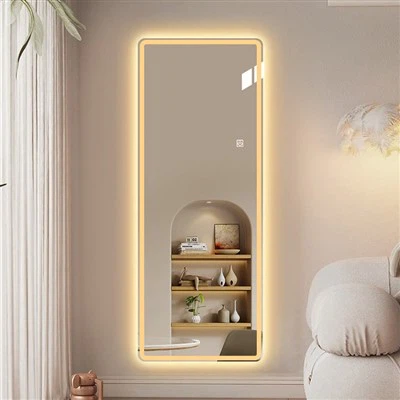
![Led Light Long Mirror]() Led Light Long MirrorThe led light long mirror has a good reflection effect and accurately reflects the body contours and details. Ourread more
Led Light Long MirrorThe led light long mirror has a good reflection effect and accurately reflects the body contours and details. Ourread more -
![Led Circle Light Mirror]() Led Circle Light MirrorThe led circle light mirror features a stylish and modern design, adding a stylish and modern feel to any room. Theread more
Led Circle Light MirrorThe led circle light mirror features a stylish and modern design, adding a stylish and modern feel to any room. Theread more -
![LED Mirror Arch]() LED Mirror ArchOur unique full-length lighted mirror will add a touch of sophistication to your home. The elegant arched designread more
LED Mirror ArchOur unique full-length lighted mirror will add a touch of sophistication to your home. The elegant arched designread more -
![Hexagon Vanity Mirror]() Hexagon Vanity MirrorApplication: Hotel, Bathroom Decoration, Bedroom. Design Style: Modern. Mirror: Copper-free environmentally friendlyread more
Hexagon Vanity MirrorApplication: Hotel, Bathroom Decoration, Bedroom. Design Style: Modern. Mirror: Copper-free environmentally friendlyread more