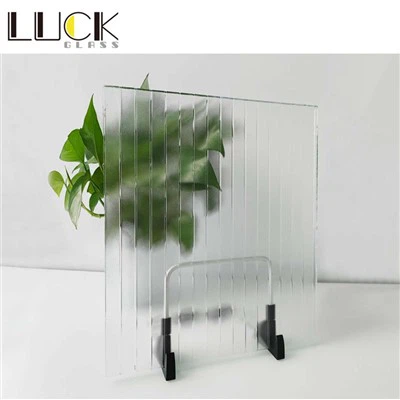
Anti Glare Double Glazing
Anti-Reflective Glass that is reflective glass, also known as anti-reflection glass, is the use of magnetron sputtering on the two surface of the ultra white glass anti reflective film, greatly reducing the surface reflectance of glass, the highest transmittance will reach 99%. Surface reflection from 8% to below 1%, can reduce the electronic screen video images under ambient light reflective glare problems, greatly improve the contrast and resolution of flat panel display in strong light environment, at the same time partly improve the brightness of the display. It is high clear and can moisten eyes.
Anti-Glare Etched Glass is a unique glass technique meant to reduce the inconvenient and bothersome issue of glare on display panels. This revolutionary glass solution is designed to provide great visibility and functionality, making it an excellent alternative for anybody looking for a better digital experience.
|
Coating surface |
Y=0.8 |
L=9.2 |
A=8.8 |
B=-11.00 |
|
Glass surface |
Y=0.85 |
L=9.3 |
A=9.0 |
B=-11.50 |
|
Transmittance |
Y=98.2 |
L=99.4 |
A=0.5 |
B=0.9 |
Size: 2440*1830mm, 3300*2140mm, 3300*2440mm, 3660*2140mm, 3660*2440mm
Thickness: 2mm~12mm
Processing type: Edge grinding, grilling, tempering, laminating
Packing:
1. Interlay paper between two sheets
2. Seaworthy wooden crates
3. Iron belt for consolidation


Applications: Where can use anti-reflective glass?
The price of AR glass is higher than float glass and ultra-clear glass. It's generally used in high-end places or technical instruments, such as:
- Museum showcases,
- Jewelry display cabinets,
- Luxury showrooms,
- High-end display windows or cabinets,
- Picture frames,
- Optical devices and equipment,
- Outdoor display equipment,
- Modern agricultural intelligent greenhouses,
- Airports, Observation hall glass…
How anti-glare glass works
The core principle of anti-glare glass is to control the reflection behavior of light through surface treatment technology. Ordinary glass usually results in high reflectivity due to the smooth structure of its surface. Especially in the strong light source or natural light irradiation, the surface of the glass produces a lot of reflected light. Reflected light can make the outline of an image, text, or object appear less clear, thus affecting the perception. Anti-glare glass turns the smooth surface into a rough and irregular microstructure by coating or etching the microstructure on the glass surface. This structure effectively reduces specular reflection because it is not smooth. As a result, the light entering the glass surface is dispersed, thus reducing the reflective effect. In our view, the effect appears soft.
The principle of anti-glare glass can be explained from the following aspects:

1. Diffuse reflection principle
The anti-glare glass surface is treated by a special process to form a small concave and convex structure. When the light hits the convex surface, it is dispersed in different directions by the rough texture of the surface, which creates a diffuse reflection effect. Diffuse reflection reduces the intensity of the reflected light, making it possible to see behind the glass even in a strong light environment.
2. Reduce reflectivity
The reflectivity of ordinary glass is usually about 4%. However, after anti-glare treatment, the reflectivity of the glass can be reduced to 1% or less. This anti-glare technology relies on the equipment of the anti-glare glass factory. The more skilled the coating technique, the lower the reflectivity of the glass. This effectively improves the look and feel, making the screen, doors and Windows still maintain clarity under bright light.
3. Anti-interference and enhanced visual contrast
Through diffuse reflection processing, anti-glare glass can reduce visual interference and enhance contrast. Even in the outdoor high-light environment or direct light environment, it can avoid visual interference caused by glare. Thus, the displayed content is clearer and the user experience is improved.
Manufacturing process of anti-glare glass
There are two main manufacturing processes for anti-glare glass: etching method and coating method. Both processes create tiny rough structures on the glass surface to reduce the production of reflected light.
1. Etching method
Etching is the process of creating irregular effects on the glass surface by chemical etching or sandblasting. Only by increasing the surface roughness of the glass can the diffuse reflection effect be achieved. This is also an important factor for anti-glare glass to disperse light. Common etching methods include acid etching and sand blasting. The acid etching method corrodes the glass surface with an acidic solution to gradually form an uneven structure, while the sandblasting method treats the glass surface by spraying high-speed particles. This form of production makes the anti-glare glass more stable and has higher wear resistance.
2. Coating method
The coating method reduces reflection by spraying a special anti-glare coating on the glass surface. The coating method is relatively more convenient, and the coating material is nanoparticle material. After spraying, it forms an uneven state to scatter light. The coating method is cheaper than the etching method. It is suitable for some display screens and digital display screens that do not require frequent wiping. The anti-glare effect of the coating method will be affected by the thickness and uniformity of the coating. Therefore, the anti-glare glass factory will strictly control the process parameters when manufacturing anti-glare glass. To achieve the desired optical effect.

The advantages of anti-glare glass
Reduce reflected light and improve clarity
The anti-glare glass disperses the glare directly reflected and reduces the reflective glare. Its soft visual experience under the bright light surface makes the viewing effect more clear. Suitable for mobile phones, tablets and other electronic devices, to provide users with a better experience.
Protect eyes and reduce fatigue
Anti-glare glass reduces the reflection and refraction of light and reduces the stimulation caused by direct exposure to light sources. After reducing visual fatigue, it also improves the comfort of our equipment for a long time. Even if we use it in scenes with strong light and abundant natural light, it will not be greatly disturbed.
Scratch and wear resistance, prolong service life
After surface etching or coating treatment, anti-glare glass usually has high wear resistance and scratch resistance. In particular, the anti-glare glass after etching can effectively resist scratches and extend the service life of the product. This is also important for devices that require constant exposure.
Improve visual contrast
Anti-glare glass makes details of images and text clearer by reducing reflections and glare interference. The user is still undisturbed in a strong light environment. This feature is even more advantageous in applications that require visual clarity such as digital products and exhibitions.
Hot Tags: anti glare double glazing, China anti glare double glazing manufacturers, suppliers, factory, Bronze Anti Sun Glass, AR Coated Tempered Glass, Non Reflective Tempered Glass, Anti Glare Double Glazing, anti reflective glass