What is colored glass?
Stained glass is a special kind of glass. In the manufacturing process, the glass can be coated with a very thin colored film. This film gives the glass different colors. It also changes other properties such as heat absorption and transparency. Stained glass has many uses because of its great advantages. However, it also has some disadvantages. Knowing the advantages and disadvantages of stained glass will help us make better use of it. It will also help us avoid its disadvantages in different environments.
Advantages of colored glass
Aesthetic effect:
· Strong decorative effect: stained glass has a variety of color styles. Colors adapt to different Spaces and are spliced to achieve depth and layers. From single shades to complex blends, options abound. Whether indoors or outdoors, these versatile color palettes enhance the decor. It can satisfy different tastes and enhance visual appeal. Choose carefully, change the environment. Meet user needs with style and style.
· Artistic expression: Artistic display is also a kind of stained glass application. Such as the early European popular stained glass Windows, in the previous article is described in detail. Now stained glass can also be used in art design and so on. It is also unique for art display.
Functional characteristics:
·Shading effect: Colored glass can effectively reduce the amount of light transmitted through a layer of color film, playing a shading role. It is generally used in places where shading is required, such as office areas, theaters, etc.
·Anti-glare: The functionality of colored glass can also be experienced in reducing visual glare and the glare of light, which improves visual comfort. It is generally used in electronic devices such as TV displays and mobile phone screens.
Energy saving and environmental protection:
· Thermal insulation: tinted glass Windows can protect the interior from the sun's heat, reflect and absorb radiation. This ingenious barrier restrains temperature spikes and greatly reduces the need for air conditioning. Over time, these energy-efficient glasses can result in significant cost savings while maintaining a comfortable indoor climate.
· Reduce UV radiation: Brightly colored glass acts as a shield to block harmful UV rays. Shade film protects indoor items. They block harsh light. Keep the furniture bright and extend its service life. This invisible shield keeps you looking good. It can keep the decoration as it is for years. It can also reduce the harm to our body. Therefore, we don't have to worry about ultraviolet rays when we sit by the window.
Safety:
· Increased strength: high-strength stained glass is usually specially treated. We all know that tempered glass has high safety performance. If tempered glass is combined with colored glass, it becomes tempered colored glass. Then in terms of strength, colored glass is definitely higher than ordinary glass. In terms of beauty is not inferior to ordinary glass.
· Fire resistance: Some colored glasses have fire resistance characteristics. These can stop the spread of flames and improve the overall fire safety level of the building.
Privacy:
·Privacy protection: Colored glass can achieve the same effect as frosted glass, and both can protect the privacy of the internal space. However, frosted glass blocks sight through surface texture, while colored glass reduces light transmission through surface color film. Suitable for conference rooms, toilets, etc.
Cleanability:
·Easy to clean and maintain: Colored glass is usually easy to clean and can maintain the surface color for a long time. Because it is waterproof and scratch-resistant, it has a long service life. Therefore, this kind of glass can also help you save cleaning time and money for a long time.
Practicality:
·High cost performance: Window privacy film can block light and protect privacy. But, colored glass is more durable, saves more energy, and comes in many colors. It is easier to maintain than window film. In the long run, colored glass is more cost-effective.

Disadvantages of tinted glass
Reduced light transmittance:
· Reduced light: Darkened Windows limit light transmission and make the room dark. This can be challenging on cloudy days when natural light has diminished. Balancing sunlight management and indoor lighting requires careful planning. In this delicate balance, energy use remains a challenge. In this case, I think the rest area can use colored glass. Work area can use frosted glass or other glass. It's hard to be perfect in every way.
· Blocked vision: If you want to see any detail through the tinted glass, it is likely to be blocked. Colored glass, especially dark glass, can cause certain obstacles to vision. So you can't use this glass to see any detail. The clarity of vision is related to the color of the glass. For example, it is actually much better to see the landscape through green glass than through grey glass.
Color variation:
·Color variation challenges in tinted glass production: Production batches and technical issues can result in inconsistent hues in the finished product. Tiny but noticeable flaws can undermine the overall excellence and visual appeal of the product. The hue variation may seem minor. However, its impact on a large surface area is significant. It destroys the intended aesthetic.
·Color difference control difficulty: Repairing or replacing damaged tinted glass presents color matching challenges. The new glass may not exactly match the original hue, disrupting the visual harmony of the building. This inconsistency can undermine the intended beauty, creating an unsightly look where it was once unified.
Temperature effect:
· Thermal stress problem: Rapid temperature changes in colored glass can cause thermal stress. This may deform the glass and lead to breakage.This problem must be considered before purchasing and installing to avoid damage.
· Thermal expansion differences: Glass of different colors has different coefficients of thermal expansion. Therefore, we must be careful when using them. Try to minimize the temperature difference between indoors and outdoors. This prevents damage caused by the expansion and contraction of the material due to heat fluctuations.
Manufacturing cost:
· High production cost: From the above description, we can see that the production process of stained glass is complex. Specific chemicals need to be added. So it's definitely more expensive than regular glass. If it is used on a large scale, it is necessary to consider both cost and service life. If the environment is easy to damage the glass, it is also necessary to consider the cost of replacement.
· Long customization cycle: Stained glass of specific colors and specifications must be customized. If it is a large batch, the entire production cycle will be relatively long. Customization requires communication and customization long in advance.
Environmental issues:
Colored glass production poses environmental risks due to heavy metals. Its manufacturing process can generate more pollutants than standard glass. To mitigate these hazards, manufacturers must implement rigorous safeguards throughout production. Degrading pollution sources demands special focus. Stringent environmental protocols are essential to protect ecosystems from potential harm caused by these toxic components.
Maintenance:
· Difficulty in cleaning: When cleaning, colored glass is prone to leaving water marks and fingerprints on the surface. Compared with ordinary glass, colored glass is also slightly more complicated to maintain. It requires regular cleaning and maintenance to always keep the surface gloss of the glass.
· Troublesome repair and replacement: Repairing damaged colored glass poses unique challenges. Color mismatches between batches complicate replacements. Professional expertise is essential for proper installation, making the process more complex and costly than with clear glass.

Practical application of colored glass
Vibrant glass facades adorn today's skyscrapers, hotels and offices. These striking exteriors not only provide aesthetics, but also insulation and energy saving. But caution is key. The colors must be in harmony with the architectural style. Shades require a deliberate choice. When done well, tinted glass walls can turn a building into a striking landmark. It's a fusion of form and function. As an exterior wall, you also need to consider the cost.
Vibrant colors change the interior decor. Glass partitions, doors and Windows inject personality into the space. Furniture decorated with stained glass adds depth. The rich layers of colors create a unique atmosphere and make the room unique. The clever arrangement of stained glass redefines the boundaries of the space, creating visual appeal and a sense of dimension. But also pay attention to colors that coordinate with your surroundings.
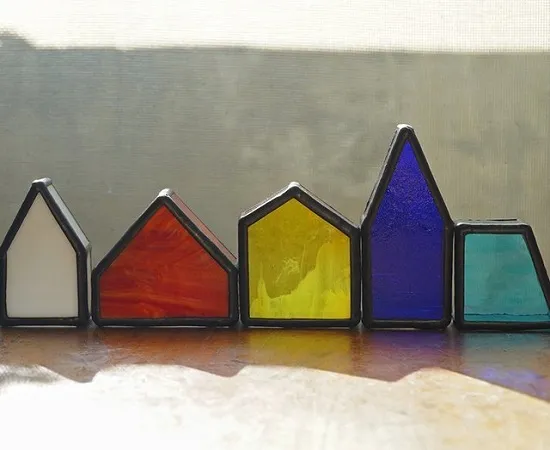
Handicraft production: Stained glass is also widely used in handicraft production. Early stained glass Windows, glass mosaics, etc., have a sense of history and art, and are more ornamental than ordinary glass. There are also artists who specialize in this area. Because I like stained glass, I will continue to work on this basis. Then used for art display, decoration and so on.
Summary
As a special and practical decorative material, colored glass has rich aesthetic effects and multi-functional advantages. In energy saving, environmental protection, safety, privacy and other aspects have a good effect. While stained glass has many benefits, it also has challenges. Problems such as poor light transmission, unstable color and sensitivity to temperature limit its use, and high cost, ecological issues and maintenance issues further complicate the problem. Careful selection according to specific requirements is essential to maximize advantages and minimize disadvantages in practical applications.