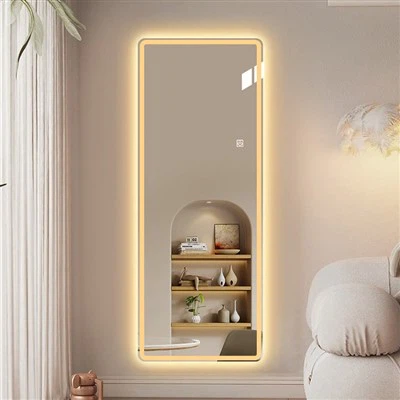
Fabric glass is a kind of textile fabric sandwiched between two layers of glass, made by a special lamination process. Decorative and functional coexist. This glass has the firmness and transparency of glass. And the softness and aesthetics of the fabric. It has been used in many fields. Whether it is a building site, interior decoration, furniture design or art installation, it can be applied. Fabric glass not only improves the aesthetic effect of space, but also has a certain privacy protection ability.
Here are the pros and cons of fabric glass.
Advantages of Fabric Glass
The advantages of fabric glass are many. The following are mainly from the aesthetic value, light transmission and privacy protection, security, environmental protection and sustainability, versatility and creative application of these six points of view.

Aesthetic value
Fabric glass can create rich visual effects by embedding textile fabrics of various colors, patterns and materials into the glass. Different fabric materials can be selected in the middle of the glass. According to the different needs of users, you can choose silk, cotton, linen and so on. This allows for different visual experiences and textures.
This kind of glass can not only be used in traditional aesthetics, but also for surface processing. Further broaden the possibility of application. Fabric glass provides a new decorative element to many interior designs. It can also create a warm, modern and advanced style. Whether it is the modern furniture decoration, or the eye-catching design of the art showcase. Fabric glass can present a delicate and beautiful form. This is where the aesthetic value of Fabric glass lies.
Transparency and privacy protection
Fabric glass not only protects privacy, but also ensures light transmittance. The fabric in the middle is translucent, so it doesn't block light. Through this glass, light can enter the room gently. Create a warm and comfortable atmosphere. At the same time, the translucency of the fabric can block part of the line of sight. It plays a certain role in privacy protection. So it is very suitable for some space that needs privacy protection and light at the same time. Such as office partitions, bathroom doors and windows, and areas such as hospitals.
Security
The production process of Fabric glass is very strict, and its structure also makes it have high performance. In the process, the fabric is sandwiched between two or more layers of glass. After high temperature and high pressure lamination. This way the fabric glass structure can be stabilized. Even if it is hit by an external force, the glass will break without splashing debris everywhere. Because the fabric layer can effectively prevent glass fragments from splashing. Thus reducing the damage of debris to the human body. The safety features of Fabric glass protect objects in the application site. In some places that require special security protection, Fabric Glass has a great advantage.
Environmental protection and sustainability
Fabric glass also has some advantages when it comes to environmental protection. The fabric in the middle can be made of natural fiber material. Such as cotton, linen, silk and other materials. These materials are well represented in terms of interpretation and environmental performance. And materials can be recycled in the production process. Greatly reduce the waste of resources and environmental pollution. Although the production process of fabric glass is complex and strict, it also achieves low pollution to a large extent. Meet the environmental requirements of modern building and decorative materials.
Versatility
Fabric glass is not only privacy-protecting, it also has a lot of features. But the specific function varies according to the fabric between the glass. If you want it to have a sound insulation effect, you need to choose a fabric with good sound insulation function. If you need fire resistance, choose fire resistant fabric. So in fact, the function of Fabric glass is really diverse, the key is to choose what kind of fabric. Special fabrics give Fabric glass functions other than decorative. It can meet the functional requirements of different scenarios. Sound insulation walls in recording studios and fireproof glass in some places are all places where Fabric glass can be applied.
Creative application
Fabric glass is not only used in architecture and interior decoration, but also in furniture design, exhibition display, art installation and other fields. It can bring new material options for various decorative designs. It also has an attention-grabbing effect. Artists can be bold in their own or their clients' ideas on fabric glass to design more delicate and beautiful forms.

For example, in furniture design, fabric glass can be used as a desktop, cabinet door or other furniture surface material of choice. It can add modern sense and artistic atmosphere to traditional furniture. By embedding textile fabrics of different colors, patterns and textures into the glass, designers can create distinctive furniture pieces. It's also more visually appealing.
Disadvantages of Fabric Glass
In addition to the advantages of fabric glass, there are some minor disadvantages. The disadvantages of fabric glass are mainly reflected in the high production cost, degree of cleaning and maintenance, application limitations, limited optical properties and moisture resistance.
High production cost
We already have some understanding of the production process of fabric glass. It not only involves complex laminating processes, but also requires high temperature and high pressure equipment. Plus the combination of fabric and glass. Fabric glass is relatively expensive compared to ordinary glass. If that's all there is, these are the basic production costs.
If you also want to customize the choice of fabric, pattern design, size of the special production, etc., need additional costs. For example, fabrics with sound insulation, fire prevention and other properties are more expensive. Therefore, the market positioning of Fabric Glass is actually biased towards the middle and high-end. It doesn't fit all budgets and projects.
Cleaning and maintenance difficulty
The surface of fabric glass may be more prone to accumulating dust stains than ordinary glass because of the embedded fabric. The use in some places with high frequency of use will increase the usual cleaning work. Because in this case, the dust will accumulate faster. While fabric glass usually has a protective coating on the surface to protect against stains and water stains, it requires regular cleaning and maintenance. In addition, once the glass is scratched or damaged, it is also more difficult to repair. This may affect the effect and beauty of its long-term use.
Application limitation
Fabric glass has nothing to say about the decorative effect. Because the fabric in the middle makes it add a lot of beautiful effects. But also because of its own special structure and material selection, it also has many limitations in application. First of all, fabric glass is thicker and heavier than ordinary glass. Therefore, it is not suitable for some structural load-bearing occasions with high requirements. It is not very suitable for large area use. Secondly, because of the structural characteristics of fabric glass itself. It needs to be combined with a particular style of decoration and theme. Used in modern places, it may be a little obtrusive. When used in a traditional environment, it will appear locally incongruous.
Optical limitation
Fabric glass due to its internal fabric layer. It will produce a certain scattering effect when the light is transmitted, which can cause the transparency and visual clarity of the light to decrease. This feature is the reason for privacy protection. So you can't pursue it with perfect transparency. In some scenes that require visual clarity and high transparency. Such as display cases, picture Windows and other areas. Other glass is recommended for application.

Moisture resistance
Fabric glass is usually made with a moisture-proof treatment. However, despite the addition of moisture treatment, the characteristics of the fabric itself may still have a certain sensitivity to wet environments. It is best not to use in wet and rainy environments. Prolonged exposure to high humidity can cause discoloration, mold, or damage to fabric layers. Therefore, when using Fabric Glass, pay attention to moisture-proof measures and the use environment.
Application prospect of Fabric Glass
Although fabric glass has some disadvantages, it also has many advantages. Its unique aesthetics and functions also make it widely used in various modern architectural fields and interior design. In the future, as the technology advances, it is hoped that the production cost of fabric glass will decrease. Its optical properties and moisture resistance are further optimized. In addition, by combining with smart glass technology, fabric glass has the potential to achieve more functional applications, such as adjusting light transmission, dynamic pattern display, and so on.
Sum up
Fabric glass has advantages and disadvantages. But in any case, you can't deny its unique aesthetic value, safety features and versatility. With these advantages, it has been applied in many fields. It not only improves the aesthetics and artistry of the space, but also meets the privacy protection and functional requirements to a certain extent. I believe that with the development and innovation of technology, fabric glass can make breakthroughs in more areas and more functions.