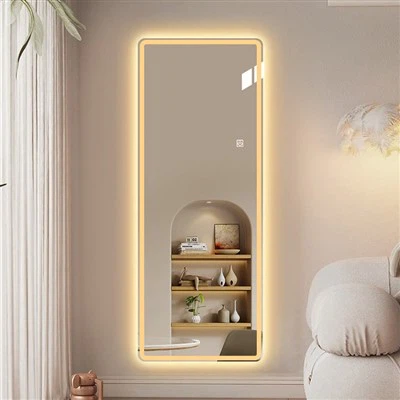
In modern architecture, decoration and industrial applications, glass is widely used. Glass is a multi-functional material, it is often used in all levels by virtue of its transparency, sound insulation, heat insulation and other characteristics. With the continuous development of glass technology, special function glass has gradually become the focus of buyers. Among the many glasses, anti-reflection glass, one-way glass and two-way glass have their own characteristics. It shows unique advantages and application value in different scenarios. This paper will deeply discuss the application differences of the three kinds of glass. I hope this will help you.
Characteristics and application scenarios of anti-reflection glass
Anti-reflective glass features
Anti-reflective glass is a kind of material that reduces the reflected light on the glass surface by coating the glass surface with multi-layer nano-optical film material. Anti-reflective glass can reduce surface glare while improving light transmittance. This glass, through a precision manufacturing process, meets the extreme requirements of high transparency and visual effects in modern technology, display and life scenes.

· High light transmittance: the light transmittance of anti-reflection glass can be as high as 97% or more. The light transmittance of ordinary glass is about 88%-92%. In comparison, the light transmittance of anti-reflective glass is 8%-10% higher than that of ordinary glass. Such a high transmittance significantly improves the passing effect of light. This high light transmission performance is especially important in scenes requiring careful observation, image display, and true color reproduction.
· Low reflectivity: the reflectivity of anti-reflective glass is as low as 1%. Low reflection reduces glare problems and ensures clear picture visibility even in bright or backlight environments. This characteristic is particularly important in the display and application of outdoor equipment and photovoltaic products.
· Durability: In addition to optical properties, anti-reflective glass also has superior mechanical properties. Because the nanofilm layer on its surface is enhanced. So it can effectively prevent scratches, wear and chemical corrosion.
· Environmental protection and energy efficiency: Modern anti-reflective glass is also designed with environmental performance in mind. By reducing glare and improving light transmittance, this glass can improve the energy efficiency of equipment. For example, reducing the power consumption of screen display devices.
Application scenario of anti-reflection glass
With its excellent optical and physical properties, anti-reflection glass is widely used in various scenarios. Here are some common use cases.
· Display devices: Anti-reflective glass is widely used in various display devices, such as TV screens, mobile phone screens and smart watch screens. By reducing ambient light reflection, anti-reflective glass can significantly improve the contrast and color surface of the picture. Even in a bright outdoor environment, the screen content can be clearly seen.
· Museums and exhibition halls: Museums and exhibition halls are common applications of anti-reflective glass. The application of anti-reflective glass allows the audience to appreciate the exhibits from all angles. At the same time, it reduces the interference of glass reflection on the viewing experience.
· In-vehicle and transportation fields: In in-vehicle displays and dashboards, anti-reflective glass can reduce reflection under strong light conditions. This not only improves the user experience, but also enhances driving safety.
· Architecture and interior decoration: The application of anti-reflective glass in the field of architecture and decoration is mainly concentrated in the scene that requires visual clarity such as window, display cabinet and interior partition.
·Medical equipment and laboratory instruments: in medical equipment and laboratory instruments. Anti-reflective glass is used in the display of some appliances. It can help reduce glare and improve the accuracy of observational data.
Characteristics and application scenarios of one-way glass
One-way glass features
One-way glass can also be called one-way perspective glass. Through a special metal coating process, the glass is highly reflective on one side and has good perspective on the other side. In other words, this kind of glass can look through the scene from one side to the other. But you can't see the other side.

· One-way vision: On the side of the stronger light, people can only see their own reflection. You can't see the other side of the one-way glass. But if the light is dimmed, this one-way visibility disappears. So we should pay attention to the matching of light and dark.
· Privacy protection: While ensuring certain visual permeability, one-way glass can also provide privacy protection functions. Privacy protection is also one of the important characteristics of one-way glass. Especially in the modern life and business scene, the need for privacy is more and more attention.
· Decorative: one-way glass can be used as decorative glass. It can also be used in a variety of design styles.
Application scenario of one-way glass
One-way glass is mainly used in various scenarios that require privacy protection or monitoring. The following is a common application scenario of one-way glass.
· Security monitoring field: In police stations, interrogation rooms and monitoring rooms, one-way glass is commonly used to monitor the facial state of suspects. With the light exposure, we can clearly see the situation in the monitoring room.
· Residential and office buildings: One-way glass can also be used on exterior Windows. Mainly used to protect privacy, but also to maintain a good lighting effect. But the use of large areas should also pay attention to the cost budget.
· Shopping malls and hotels: Some designers use one-way glass to achieve the combination of decoration and function. This combination works well in shopping malls and hotels. The unique design form can attract many tourists.
· Window glass: Some cars will pay attention to the privacy protection of their interior. Drivers usually use one-way glass in the window to protect privacy. The more high-end the car, the more this application. At the same time, the one-way glass also has the function of heat insulation, which can prevent the temperature in the car from rising. Indirectly reduce the use of air conditioning in the car.
It should be noted that the effect of one-way glass depends on the intensity of the light on both sides. If the indoor light is stronger than the outdoor light at night, it will weaken its privacy protection function.
Characteristics and application scenarios of bidirectional glass
Two-way glass features
Two-way glass usually refers to glass with dimming function. Also known as dimming glass, privacy glass. By embedding liquid crystal molecules in a glass layer, its transparent or opaque state is controlled using an electric current.
· Switchable transparency: two-way glass can be freely switched between transparent and frosted states. Flexible to meet a variety of different needs.
· High thermal and acoustic insulation performance: Two-way glass provides good energy efficiency performance. For example, the thermal insulation and sound insulation properties of two-way glass are very good.
· Intelligent control: two-way glass can be compatible with modern smart home systems. It can also be operated remotely.
Bidirectional glass application scenario
The application of two-way glass is more flexible. It can be applied in a variety of functional and aesthetic requirements of the scene.
· High-end residential and office Spaces: Two-way glass can be used as partition walls or Windows. Privacy protection is available when required.

· Medical institutions: When two-way glass is used as the observation window or room partition of the hospital, it can meet the dual needs of privacy and observation.
· Hotels and resorts: Some hotels or resorts also use two-way waves as bathroom partitions or Windows. The customer experience has been improved.
· Meeting rooms and exhibition halls: Combined with projection technology, two-way glass can also be used as a multi-functional display screen or background wall.
Comparison of the three and purchasing suggestions
Functional comparison
|
Features |
Anti-reflection glass |
One-way glass |
Two-way glass |
| Optical properties | High Transparency, Low Reflection | Unidirectional Transparency, High Reflection | Adjustable Transparency |
|
Privacy protection |
No privacy protection | Excellent daytime privacy | Dynamically adjustable privacy |
|
Durability |
Excellent |
Good |
Good |
|
Decorative |
Medium |
High |
Extremely high |
Application scenario comparison
| Scene Type | Anti-reflection glass | One-way glass | Two-way glass |
| Show & Display | Museums, exhibition cases | Inapplicable | Applicability |
| Privacy protection | Inapplicable | Surveillance Room, Residential | Office, Hotel |
| Intelligent Demand | Inapplicable | Inapplicable | Intelligent Buildings, Conference Rooms |
| Commercial premises | Windows, advertising screens | Shopping mall exterior glass | Commercial partitions, special exhibitions |
Purchasing suggestion
Choose anti-reflective glass: If your project needs to emphasize visual clarity and authenticity. Such as museum display cases or display screens, anti-reflective glass is preferred.
Choose one-way glass: When the focus is on privacy and design. Such as residential Windows or monitoring room scenes, one-way glass is the best choice.
Choose two-way glass: for modern high-end space design, especially scenes that require intelligent adjustment of transparency. Two-way glass will provide great flexibility.
If you are still not clear, you can also choose to consult us!
Conclusion
The characteristics and application scenarios of anti-reflection glass, one-way glass and two-way glass show the diversity of the glass industry. In the selection, the purchaser shall make a comprehensive assessment according to the project needs, budget and technical requirements. Understanding the properties and applications of different glasses can better improve the quality of projects and meet customer needs.