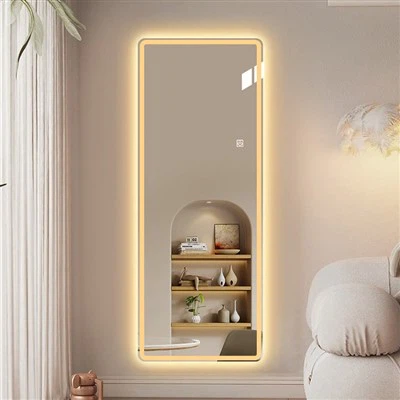
One-way glass as a building material, its function is very special. The surface of one-way glass can control the direction of light penetration to a certain extent by using the optical principle. The characteristics of this kind of glass make it widely used in the fields of architecture, home decoration, commercial space and privacy protection. This article will introduce the basic principles of one-way glass, the main types and application scenarios related information. And explore its value in modern life.
The basic principle of one-way glass
One-way glass can also be called reflective glass or single transparent glass. It relies on optical coating technology to achieve its special function. Its surface is usually covered with a thin film of metal oxide. The film reflects a lot of light. And the film doesn't block light from passing through. This characteristic of one-way glass makes it have the following phenomenon.
Strong light side: the reflection effect is significant
When the light on one side of the one-way glass is strong, the observer will see an image of the environment reflected by the glass. It's like when we look in the mirror. We can't see through the back of the mirror.

Low light side: good perspective effect
On the weak side of the one-way glass, the observer can clearly see the scene on the strong side. This situation produces the effect of "one-way perspective".
The key to producing the above situation is to have the contrast of light and dark. Only a strong light on one side and a dark light on the other can produce a one-way perspective effect. Moreover, the performance of one-way glass is also affected by coating technology and glass thickness. In order to achieve better results, the design also needs to consider specific use scenarios and requirements.
The main type of one-way glass
According to the production process and application scenario, one-way glass can be divided into the following types.
Heat-reflecting glass
Heat-reflecting glass is mainly made by the hot-coating process and is usually used for shading and heat isolation. It is commonly found on the exterior walls or Windows of buildings.
Vacuum coated glass
Vacuum coating technology can make the glass surface covered with an ultra-thin metal film. To make one-way glass. This type has a higher reflectivity. Suitable for places with high privacy requirements.
Color-changing one-way glass
Combined with intelligent dimming technology, the glass automatically adjusts its reflectivity and transmittance according to the light intensity. This technology requires a higher cost budget. So it's used in high-end buildings and vehicles.
Laminated one-way glass
By sandwiching a reflective film between two layers of glass, the glass achieves both one-way perspective and safety. Laminated glass itself is safer than ordinary glass. Even if the glass breaks, the pieces will not be scattered. Effectively protect the safety of people. Therefore, this type of one-way glass is widely used in banks, prisons and other places that require high security.
Application scenario of one-way glass
Architectural field
In modern architectural design, one-way glass has become an indispensable material. The wide application of its facade and window system not only reflects the progress of technology, but also reflects people's pursuit of privacy protection, energy conservation and environmental protection and architectural beauty.
Privacy protection
In the window materials of office buildings, residential communities and commercial places, one-way glass occupies an important position. Its biggest feature is that during the day, the glass forms a mirror effect under the external strong light. This mirror effect effectively protects the concealment of the interior space.

For residents or office workers in high-rise buildings. The one-way glass allows them to keep their view open while avoiding prying eyes. This effect is especially suitable for densely populated areas, such as downtown office or commercial buildings. At night, if the internal and external light contrast decreases, the privacy effect can be further enhanced with curtains, smart sunshades and other devices.
Energy consumption reduction
The heat reflection property of one-way glass can block most of the solar radiant heat. While reducing the indoor temperature rise, it also effectively reduces the frequency of space use of air conditioning. In some green buildings, one-way glass is often used as the preferred material for energy-saving Windows. Not only can the indoor environment be optimized, but also the overall energy expenditure can be reduced.
Aesthetic enhancement
The highly reflective nature of one-way glass makes it an ideal material for building curtain wall design. In the sunlight, the one-way glass presents a smooth mirror effect, making the building appear more modern.
For example, in tall buildings in cities. The one-way glass curtain wall can map the surrounding environment onto the glass surface. Integrated with the natural environment, creating a harmonious visual effect.
Commercial space
In commercial Spaces such as retail stores and shopping malls. Because of its unique perspective and reflection, one-way glass has gradually become an important part of decoration and functional design.
Window display
The high perspective of one-way glass makes it excellent in the window display of retail stores. Merchants can use one-way glass to display in-store products during the day. You don't have to worry about being disturbed by the outside environment. This approach not only enhances the appeal of the window, but also protects the privacy of the goods and display environment in the store.
At night, the reflection effect of one-way glass is more prominent. Especially with the store lighting design. Can create a high-end, sophisticated visual experience. Adds a lot of positive image to the brand.
Meeting room and VIP area
Meeting rooms or VIP lounge areas in high-end business places have high privacy requirements. Through one-way glass, insiders can also observe some scenes outside. And outsiders can't look inside. This is very good to protect the privacy of the room. It also gives the space a bright and transparent visual feeling.
Home decoration
With the improvement of people's aesthetic and functional needs. One-way glass also plays a unique role in home decoration. It is mainly used in functional areas such as doors and Windows, partitions and mirrors.
Bathroom partition
One-way glass is favored in bathroom design, especially in modern minimalist style homes. Using one-way glass to make bathroom partitions not only guarantees privacy, but also reduces space pressure.
House mirror
When used as a mirror, one-way glass can play its dual function. On one side, it can be used as an ordinary mirror for daily use. The other side can be used to monitor or observe other rooms. One-way glass is not just used in police stations. It is also possible to use the children's room as a window for observation. It is convenient to observe indoor activities and ensure the safety of children.
Public safety and privacy protection
In some special places, such as surveillance rooms, banks and police stations. One-way glass is widely used for its security and privacy protection features.

Monitor room
A monitoring room usually requires real-time observation of the external environment. Staff, on the other hand, need a secluded working environment. The application of one-way glass makes the design of the monitoring room more flexible and secure. Through one-way glass, our every move in the outside world can be monitored.
Bank counter
Bank counters are one of the typical scenarios for one-way glass applications. One-way glass ensures visibility between customers and staff while providing additional security in the counter area. The VIP offices of banks often have this kind of application. One-way glass ensures customer privacy and allows staff to easily control external situations.
Means of transportation
One-way glass also plays an important role in the transportation industry. Mainly used for Windows in cars, trains and airplanes.
Automobile glass
When the side and rear Windows of the car are one-way glass, the privacy of the car can be greatly improved. Especially in dense urban environments, one-way glass can protect the privacy of passengers. At the same time, because the direct sunlight is reduced, the temperature of the car will not rise rapidly. Improved driving comfort.
High-speed trains and airplanes
In the design of Windows for high-speed trains and airplanes. One-way glass not only provides a good viewing experience for passengers, but also reduces the direct impact of strong sunlight on the cabin.
From buildings to homes, from commerce to transportation. One-way glass has been widely used in various scenes because of its unique functionality and design beauty. It not only improves privacy protection and security, but also improves the efficiency of space use and visual effects. With the advancement of technology, one-way glass will show its potential in more areas. Provide more convenience and possibility for modern life.
Conclusion
One-way glass is a kind of building material with both functional and aesthetic properties. It is playing an increasingly important role in modern society. From building energy efficiency to privacy protection, from commercial display to public safety. One-way glass adds a lot of convenience to our lives with its unique properties. With the continuous progress of technology, the application scenario of one-way glass will be further expanded. Continue to bring more possibilities to the human living and working environment.