What is Frosted Glass?
Frosted glass, as the name implies, is a type of glass that has been treated to have an opaque frosted appearance. The frosted effect can be achieved by sandblasting, etching, or using special coatings. The treatment creates a diffuse surface, so that visibility through the glass becomes blurred, but light still passes through, but the light is softer. Its opacity is 10-20%.

How is Frosted Glass Made?
There are many ways to make frosted glass, and different methods have different effects.
Sandblasting: This process uses a high-pressure sand stream to grind the surface of the glass, which can form a uniform frosted effect. The depth and density of the frosted effect can be adjusted by changing the pressure and distance of the sandblaster. The surface texture of the glass produced in this way is rough.
Acid etching: In this method, hydrofluoric acid solution is applied to the surface of the glass or soaked in the solution, and the glass is chemically etched to produce a frosted appearance. Acid etches the surface of the glass to give it a textured and diffused appearance. This treatment makes the surface more delicate, smooth, and not easy to leave scratches.
Spraying: A special frosted spray can be applied to the glass surface to create a temporary or permanent frosted effect.
Laminated glass: This method involves sandwiching a frosted layer between two glass panels to provide privacy while maintaining the strength of the glass. This way the glass surface is smooth, but also more secure.
Pattern Types of Frosted Glass
Frosted glass supports a variety of pattern customization:
Geometric shapes: Frosted glass can be customized into geometric shapes, such as common triangles, circles, etc.
Floral patterns: Floral patterns add a touch of elegance to frosted glass.
Abstract patterns: Some abstract art designs will make frosted glass more artistic and more flexible.
Customized design: If you have a desired logo design or other pattern, you can also use etching and other technologies to customize the design.
Benefits of Frosted Glass
In daily life, frosted glass is still widely used. So what are its advantages that make it such a popular choice:
1. Privacy: The most significant advantage of frosted glass is that it can ensure privacy and safety, while not completely blocking light, especially in areas such as bathrooms, meeting rooms or office partitions. It is an ideal choice. Through frosted glass, you can only see blurry shadows, but you can't see the details clearly.
2. Aesthetics: Frosted glass has a unique blur, which makes it add a touch of elegance and mystery to the space. It can be used in various furniture decorations, such as windows, doors, etc.
3. Light diffusion: The surface of frosted glass can soften and diffuse the light that comes through, so it can also create a pleasant atmosphere in the room.
4. Durability: Although the surface of frosted glass has been treated more specially, it still does not prevent it from having the durability of ordinary glass, which makes it more suitable for long-term use in various applications.
5. Customizable: Frosted glass can be customized with different patterns and transparency levels according to user needs. Customization needs meet user preferences, which makes frosted glass more popular.

Application of Frosted Glass
Frosted glass can be applied to a variety of occasions, both practical and beautiful.
1. Residential applications:
Doors and windows: Frosted glass is often used in bathroom windows and front doors to provide privacy while allowing natural light in.
Partitions: Frosted glass partitions can create private spaces in open floor plans, adding elegance and separation without blocking light. At this time, they are mostly used in office areas.
Cabinet doors: Frosted glass cabinet doors add a modern touch to kitchens and bathrooms, isolating external dust while protecting the privacy of items inside.
2. Commercial applications:
Office space: Meeting rooms, partitions, and office doors use frosted glass to provide privacy and a professional look.
Retail displays: Frosted glass is a popular choice for store displays and showcases, creating a sophisticated look and highlighting products.
Signs and branding: Frosted glass can be used to etch logos, signs, and brands, providing a sleek and modern look.
3. Furniture and decoration:
Tables and desks: Frosted glass tabletops add a stylish touch to living rooms and offices.
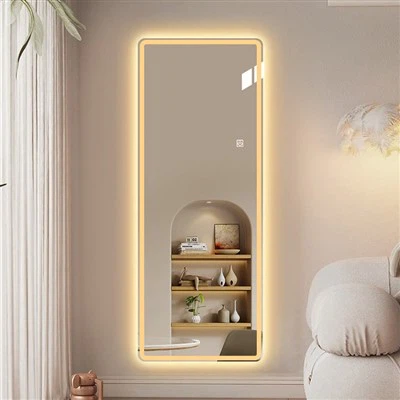
Mirrors: Frosted glass mirrors can create a unique and modern look for bathrooms and dressing rooms.
Frosted Glass and Other Types of Glass
We can compare the characteristics of frosted glass with transparent glass, stained glass and tempered glass to better understand frosted glass.
In terms of privacy, frosted glass is different from tempered glass, transparent glass and stained glass. It has extremely high privacy, which is beyond doubt. In terms of light transmittance, frosted glass is as strong as transparent glass and tempered glass, and stained glass is relatively weak. In terms of durability, tempered glass has the best durability, but in daily life, the durability of frosted glass, transparent glass, etc. is also very high and very practical. But in terms of customization, frosted glass is highly customizable, and other glasses have more or less limitations. In terms of cost budget, frosted glass is also very economical and will not exceed the budget too much, but the price is not so low, and people's demand for it is not small.

The Recycling Process of Frosted Glass
We now have a certain understanding of frosted glass. Now let's get back to the point: Can frosted glass be recycled? The answer is yes, but the recycling process is slightly more complicated than ordinary glass.
1. Sorting and collection: Like all other glass, the first step is to sort and collect it separately to avoid mixing with other different types of glass or materials. Households or businesses can collect frosted glass and send it to a dedicated glass recycling plant for processing.
2. Cleaning and processing: During the recycling process, the dirt and other impurities on the surface of the glass must be removed first, so the frosted glass must be cleaned first, and then the glass is broken into small pieces for further processing and reuse.
3. Removal of coating: Because of its frosted surface, frosted glass must first be treated with its frosted layer. The removal method can be chemical dissolution or high-temperature treatment, which can restore the glass to a relatively pure state.
4. Reprocessing and remaking: An important step in recycling is to melt the processed glass fragments for reuse and remake them into new glass products. These new products can be new glass bottles or other glass products. Due to the surface treatment characteristics of frosted glass, the recycled glass may be mixed with ordinary glass for reprocessing to ensure that the new glass products have uniform quality and performance.
Benefits of Recycling
1. Saving resources: Proper recycling of frosted glass can reduce the demand for limestone and natural sand, and protect our natural environmental resources.
2. Energy saving and emission reduction: Reprocessing glass consumes less energy than producing new glass, which helps reduce carbon emissions and protects our ecological environment.
3. Reducing landfill: By recycling frosted glass, the pressure on landfills can be reduced, effectively reducing the risk of environmental pollution.
Recycling challenges
Because of its special frosted surface, frosted glass is more complicated to handle and the cost is also increased. Secondly, sorting is also difficult. During the entire recycling process, more professional equipment and technology are required to identify and sort different types of glass.
Recycling suggestions
1. Classification of households and businesses: In households and businesses, frosted glass is relatively easy to distinguish. We can collect frosted glass directly and avoid mixing with other garbage.
2. Send to glass recycling point: If there is a professional recycling point in the nearby area, I still recommend sending the glass directly to a special recycling point to ensure the correct handling and reuse of frosted glass.
3. Support glass recycling projects: Actively participate in online glass recycling projects. By participating in and understanding, and then conducting further publicity, we can better promote the development of the glass recycling industry.
Maintenance and Cleaning
Cleaning method:
Use a soft dry or slightly damp cloth to gently wipe the surface. Avoid using rough cloths and strong detergents to avoid scratching the frosted surface. If there are stubborn stains, use mild soapy water or detergent to clean them. Avoid using detergents containing strong acid and alkali ingredients. We use a circular motion to gently wipe or pat the stains. Avoid scrubbing hard, otherwise it will leave streaks or scratches. After cleaning, just rinse with clean water to prevent residue, and finally wipe with a clean soft cloth to prevent water stains. For small marks or fingerprints, local cleaning is sufficient, and there is no need to clean thoroughly.
Prevent scratches:
The surface of frosted glass is easily scratched by hard objects. When cleaning and using, you should be careful to avoid contact with sharp objects.
Regular maintenance:
Regular cleaning and maintenance can maintain the beauty and light transmittance of frosted glass and extend its service life.