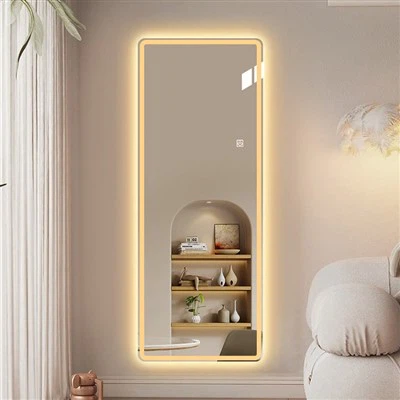
Anti-glare glass, also known as AG glass. Compared with ordinary glass, it has different characteristics in visual effects, optical properties and application scenarios. With a specific surface treatment, anti-glare glass effectively reduces the intensity of reflected light. Even in a well-lit or direct light environment, the glass surface can still present a clear visual effect. So it has a wide range of applications in many fields. This is also the biggest difference with ordinary glass.
The basic concept of anti-glare glass and ordinary glass
Anti-glare glass: anti-glare glass refers to the glass that can reduce the light reflected by the glass surface. Its surface is chemically etched or otherwise physically treated to form small concave and convex structures. This structure effectively reduces reflected light and therefore glare. The production of anti-glare glass reduces light interference in strong light or high-reflection environments and improves the viewing experience.

Ordinary glass: Ordinary glass is the most common in our lives, and it is a highly transparent material. The surface has not undergone any special treatment. Therefore, the light transmission of ordinary glass is very good, but it also has a disadvantage that its surface reflectivity is high. In strong light or direct light, it is easy to produce glare. This affects the comfort of our sight and the clarity of the object.
Contrast of anti-glare and ordinary glass
Optical property
·Anti-glare glass: The optical properties of anti-glare glass are reflected in the structure of its surface to reduce the intensity of reflected light. It also reduces glare while enhancing diffuse reflection of light. Makes images sharper in all kinds of light.
· Ordinary glass: The reflection of ordinary glass is relatively strong, especially in a bright or strong environment. I believe you have also encountered such situations in your life. We are often disturbed by the reflected light so that we can't see things clearly. This glare greatly affects the viewing experience.
Visual effect
· Anti-glare glass: Because the anti-glare glass effectively reduces the glare, it makes the image clearer and the color more accurate. It can maintain a good visual experience under different light sources, especially in the scene of strong light, side light or direct sunlight.
· Ordinary glass: The surface of ordinary glass reflects light strongly. Especially when we observe the glass from the side, it is basically impossible to see the object. So we're looking at it from a narrow Angle. And it is easy to cause light pollution to the city, affecting our living experience and comfort.
durability
· Anti-glare glass: After special surface treatment, it has high wear resistance and anti-scratch performance. In the scenario application, it is more suitable for high-frequency contact places. However, its anti-glare coating may be affected by the acid and alkali environment. So we should pay attention to the application scenario, but also pay attention to the protection of the glass itself.
· Ordinary glass: Ordinary glass has no special surface treatment. So in life we have to be careful that glass is fragile. It is easy to scratch, try to avoid its surface wear and stains.
Cleaning and maintenance
· Anti-glare glass: Although the anti-glare glass looks relatively flat from the appearance. But we also said earlier that its surface coating is destined to have a tiny convex structure. It absorbs dust and fingerprints more easily than ordinary glass. Daily cleaning requires the use of soft cloth and special glass cleaner for cleaning. Avoid accidentally destroying the anti-glare layer.
· Ordinary glass: Ordinary glass will be more convenient to clean. All you need is a gentle wipe with a cleaner and a tool.
Application scenario comparison of anti-glare glass and ordinary glass
Electronic display equipment
· Anti-glare glass: widely used in mobile phones, tablets, computer monitors and other electronic device screens. Reduces the reflection of the screen in bright environments and improves visibility. Keep clear display especially in outdoor and bright light environment.
· Ordinary glass: performs well in low light environments. However, in a strong light environment, the reflection of ordinary glass is very serious. This easily makes us lose sight of the content displayed on the screen, affecting the visual effect.

Automobile glass
· Anti-glare glass: anti-glare glass is commonly used in car navigation screens and on-board displays. Reducing light interference during driving can ensure the safety of drivers.
· Ordinary glass: Ordinary glass can also be applied to the Windows of cars. But be careful when driving at night. When the light reflected by the street lamp shines on the window, it may affect the line of sight of the driver, which will affect the safety of driving. Therefore, generally more advanced cars will use anti-glare glass treatment.
Architecture and interior decoration
· Anti-glare glass: suitable for office glass partitions, conference room Windows, sun rooms and high-rise building curtain walls. Especially places that need good lighting effects and avoid glare. The application of anti-glare glass can bring people a good feeling of life.
· Ordinary glass: Ordinary glass is also commonly used in building Windows and curtain walls. However, it is best not to use ordinary glass in scenes that require glare. Reflecting light can really have an effect on yourself and others.
Frame and exhibit
·Anti-glare glass: Anti-glare glass can also be widely used in exhibitions and photo frames in museums and galleries. Anti-glare glass can avoid the reflection of light source affecting the viewing experience of the audience. Ensures that the artwork and display content are clearly visible.
· Ordinary glass: It is easy to reflect light in a strong light environment. It affects the tourist experience. Therefore, in some large and demanding exhibition occasions, the use of ordinary glass exhibitions is not appropriate.
Optical instrument
·Anti-glare glass: anti-glare glass is often used in the lenses of microscopes, telescopes, camera lenses and other optical equipment. These optical devices represent the accuracy of experimental results. By reducing the reflected light on the glass surface, anti-glare glass can ensure the image quality and prevent glare from interfering with image clarity.
·Ordinary glass: Ordinary glass can of course also be used in optical instruments. However, although it can be used in ordinary optical equipment, it is still necessary to minimize the number of times it is used in high-precision imaging equipment. High-precision imaging equipment requires higher results, in order to reduce errors, it is best to use anti-glare glass applications.
Medical equipment
· Anti-glare glass: anti-glare glass can be used in hospital display screens, diagnostic equipment and other components. Reduce reflections in complex light environments to ensure clear presentation of information. The application in the operating room can also ensure the concentration of the medical staff and prevent the occurrence of misjudgment. Improve diagnostic accuracy.
· Ordinary glass: There are many restrictions on the use of ordinary glass in medical applications. The operating room is generally a tense situation, and any judgment will affect the decision. If regular glass is used on medical equipment, the reflective effects may hinder medical work.
Other outdoor equipment
·Anti-glare glass: In addition to the above applications, anti-glare glass is also common in ATMs, ticket machines, outdoor advertising screens and other devices. Ensure a clear display in sunlight or complex lighting.
· Ordinary glass: Ordinary glass tends to reflect light in these devices mentioned above. Especially when used outdoors, it affects the reading and operation effect. The user experience is greatly reduced.
Future trends of anti-glare glass

The technology of anti-glare glass is constantly evolving as people's need for visual comfort increases. Here are a few of its future trends:
Enhance transparency and color reducibility: Although the anti-glare glass at this stage is also highly transparent, its transparency is not as good as ordinary glass. In the future, anti-glare glass will pay more attention to maintaining high transparency to ensure the accurate presentation of colors and images.
Wear resistance and anti-fouling upgrade: Through new materials and new processes, the wear resistance and anti-fouling properties of anti-glare glass can be enhanced. Make it easier to maintain when in use.
Composite function: Now anti-glare glass has the effect of reducing reflected light. If combined with other functions, I believe it will become even more popular. In the future, anti-glare glass will be combined with anti-blue light, anti-ultraviolet and other technologies to meet the needs of more scenes.
Environmental protection and sustainable development: Whether now or for, any glass manufacturing is in the pursuit of sustainable development technology. The future of anti-glare glass manufacturing will develop in the direction of environmental protection and energy saving, and reduce environmental impact through green materials and energy-saving processes.
Sum up
With its unique surface characteristics and superior optical properties, anti-glare glass overcomes the reflective defects of ordinary glass. Suitable for display clarity, light reflection control requirements of higher occasions. Such as electronic display equipment, building Windows, exhibition display and so on. Ordinary glass does not reduce the reflected light. Coupled with its low cost and high transparency, it is more suitable for ordinary environments. With the increase of optical demand, anti-glare glass is more and more widely used in modern living and working environments. It is believed that in the future, it can also bring greater optimization and innovation to our visual experience.