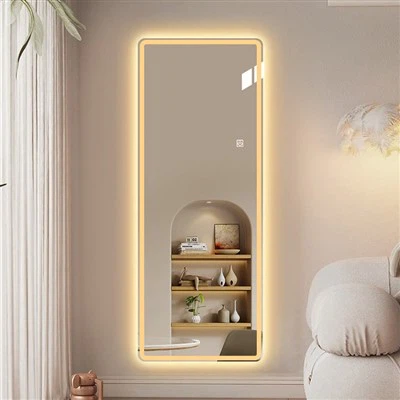
In recent years, sustainability has long ceased to be just a buzzword, it is an essential part of modern design and consumer expectations. This is especially true in the home decor and furniture industry. Among these products, full-length mirrors are a popular choice for residential and commercial spaces. But what if these stylish mirrors were also eco-friendly?
In this blog post, we will explore the eco-friendly materials and sustainable design trends that are shaping the world of full-length mirrors. Whether you are a buyer or interior designer, understanding these trends can help you meet your clients' demands for green living. And stay ahead in the competitive mirror market.
Why are eco-friendly full-length mirrors so important?
There is no doubt that environmental awareness is increasing around the world. More and more consumers, especially in the United States, Europe, and Turkey, are actively looking for eco-friendly products. For mirror suppliers and buyers, this means that offering eco-friendly sustainable full-length mirrors is not only a trend, but also a smart business move.

Some of the main reasons why buyers prefer sustainable mirrors include reducing carbon footprint, reducing waste, avoiding harmful chemicals, supporting the circular economy, etc.
So I think in today's mirror market, if more vendors offer sustainable full-length mirrors, they will have a better chance of winning the trust and favor of modern consumers.
Sustainable Frame Materials
One of the most important components of a full-length mirror is the frame. Choosing eco-friendly frame materials can significantly reduce the impact on the environment. Let's take a look at some popular sustainable options:
Bamboo
Bamboo is a fast-growing and renewable choice for green design. It is lightweight, durable, and has a beautiful natural patina. For environmentally conscious consumers who love minimalist and natural-style interior design, bamboo frame full-length mirrors are ideal. And bamboo frame full-length mirrors can also bring a natural touch to the space.
Recycled Wood
Using recycled or reclaimed wood can give old materials a new lease of life. This type of wood usually comes from old buildings, old furniture, or old construction projects. It reduces the need for new logging and adds a rustic, vintage feel to full-length mirrors.
FSC Certified Wood
FSC (Forest Stewardship Council) certification ensures that the wood is harvested in a responsible manner. Full-length mirrors with FSC certified wood frames ensure their sustainability and quality. In markets with strict environmental regulations, this certification is often a key selling point.
Recycled Metals
Recycled aluminum or recycled steel can also be used to create modern or industrial style mirror frames. These materials, when sourced properly, are strong, corrosion-resistant, and environmentally friendly.
Eco-friendly Mirrored Glass
The glass of a full-length mirror itself plays a vital role in sustainability. Traditionally, mirrored glass is made with a silver or aluminum coating, which may contain lead or copper, which is harmful to the environment.
Modern sustainability trends to watch:
Copper-free mirrors
Copper-free mirrored glass is now the first choice for environmentally friendly full-length mirrors. It reduces pollution during the manufacturing process, ensures a longer lifespan, and also reduces the possibility of corrosion.

Lead-free silver plating
Traditional mirror silver plating may contain lead, a toxic substance. Using a lead-free silver coating ensures a safer product for workers and end users, especially in bedrooms or dressing areas.
Low-E glass
While Low-E glass technology is more common in windows, it is also beginning to be used in specialty mirrors. It helps control temperature, thereby saving energy in indoor spaces.
Non-toxic adhesives and backings
The adhesives used to attach the mirrored glass to the frame, as well as the backing materials, are critical to sustainability. Eco-friendly full-length mirrors typically use water-based adhesives instead of chemical glues. Plus recyclable or biodegradable backings. Also use materials that do not contain volatile organic compounds to maintain healthy indoor air quality.
Minimalist and modular design trends
Design plays a big role in sustainability. Simpler designs use less material and generate less waste. Modular mirrors are easy to repair, replace, or reuse.
Frameless full-length mirrors
Frameless designs are simple and stylish, reducing material usage and simplifying the recycling process. They also work well with different interior styles.
Modular mirror panels
Some full-length mirror designs use interlocking panels. This approach allows for customization while minimizing waste, as damaged parts can be replaced individually without discarding the entire unit.
Lightweight design
Reduced weight makes shipping and installation easier, thereby reducing carbon emissions during transportation.
Lasting quality and durability
Sustainability also means producing products that last longer. High-quality full-length mirrors made with durable materials are less likely to be replaced, reducing waste and saving costs.
When sourcing sustainable mirrors, look for scratch-resistant mirror surfaces, moisture-resistant backing materials, and sturdy, durable construction. The more durable the product, the more customers will love it, which reduces the frequency of replacement and increases customer satisfaction.
Packaging and Shipping Practices
Even the most sustainable mirrors need to be packaged and shipped responsibly. Consider suppliers or brands that use the following packaging:
Use recycled cardboard or biodegradable packaging. Minimize plastic packaging. Efficient packaging design to reduce volume and weight. Smart packaging helps protect full-length mirrors during shipping while reducing environmental impact.
Upcycled and Customized Options
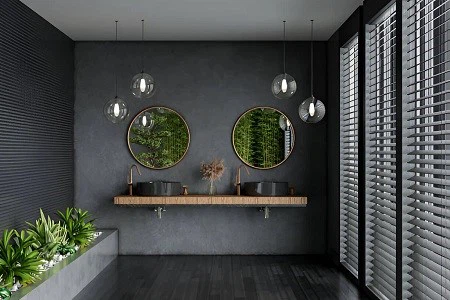
Today's buyers value unique products. Some mirror manufacturers are creating upcycled or customized full-length mirrors using leftover materials or customer-supplied wood.
Offering customizable sustainable options allows customers to choose frame color, finish, and size while also reducing waste.
Smart Features and Digital Integration
Although smart mirrors and environmental protection are not directly related. But smart mirrors with energy-saving LED lighting and touch functions are becoming increasingly popular. Look for a smart mirror with low-energy LED lights, automatic dimming sensors, and motion sensing functions to better complement a green living environment.
Conclusion: Combine style with sustainability
As environmental awareness increases and consumers prefer sustainable home decoration, the demand for eco-friendly full-length mirrors is growing. By choosing green materials, durable construction, and careful manufacturing processes, suppliers can provide mirrors that are both stylish and have a positive impact.
For foreign buyers and importers, these sustainable trends are not just marketing highlights, but also opportunities to open up new market segments and enhance brand value.
Whether you are looking to expand your mirror product line or find a new supplier, now is the best time to prioritize eco-friendly full-length mirrors. After all, showing your style should also reflect your values.