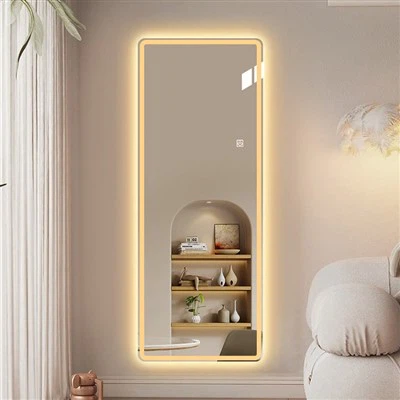
Anti-reflective glass and anti-glare glass are both common types of glass in life, but they still have many differences in details. A deep understanding of the difference between anti-reflective glass and anti-glare glass will help us better apply them in our lives.Below we will discuss the two types of glass from the aspects of basic knowledge, purpose, working principle, production process, advantages and disadvantages, and application areas.

What is anti-reflective glass?
Anti-reflective glass is an advanced coated glass with the gold standard of thin film technology. It is designed to reduce light reflection on the glass surface by destroying the energy contained in light waves and making them flow asynchronously. Its glass surface is coated with one or more layers of anti-reflective coating, which can improve light transmittance and visual clarity and image quality. In addition, the anti-reflective glass coating not only considers external light sources, but also internal and external light sources.
What is anti-glare glass?
Anti-glare glass is a glass that can scatter reflected light and reduce glare by chemically etching or coating the glass surface with an anti-glare coating. Anti-glare coating is a glass treatment method that often uses diffuse particles or small etchings on the glass surface to achieve the desired visibility effect, which can ensure that external light sources do not affect the visibility and clarity of framed images or documents. It is mainly used to reduce glare reflected light in strong light environments and improve visual comfort. However, it is not recommended to use it in dimly lit areas, as the graininess of the surface coating will be more obvious.
The difference between anti-reflective glass and anti-glare glass
Different purposes
Anti-reflective glass: The main purpose of anti-reflective glass is to reduce the reflection of light, increase the transmittance of light, and provide a clearer visual effect.
Anti-glare glass: The main purpose of anti-glare glass is to reduce the glare of reflected light, reduce glare, and improve visual comfort. It is especially suitable for use in direct light conditions.
Different principles
The working principle of anti-reflective glass is based on the interference effect of light and refractive index matching:
Interference effect: When light passes through the anti-reflective coating on the surface of the glass, part of the light wave is reflected at the interface between the coating and the air, and the other part of the light wave continues to propagate and reflects at the interface between the coating and the glass. By precisely controlling the thickness of the coating, the phase difference of the two reflected light waves is half a wavelength, which cancels each other out, reduces the intensity of the reflected light, and increases the transmittance.
Refractive index matching: By coating the glass surface with multiple layers of thin films with gradually changing refractive indices, the incident light gradually transitions at different interfaces, reducing interface reflections and increasing light transmittance.
The working principle of anti-glare glass is mainly based on the scattering effect of light:
Surface concave-convex structure: tiny concave-convex structures are formed on the glass surface through chemical etching or mechanical processing. These structures cause the incident light to diffusely reflect on the surface, reducing the intensity of direct reflected light, thereby reducing glare and improving visual effects.
Anti-glare coating: Anti-glare coating is applied to the surface of the glass to scatter light when passing through the coating, further reducing glare. The coating material usually has specific optical properties and can effectively scatter light.
Different production processes
Anti-reflective glass: This form mainly uses vacuum steaming, sputtering coating, chemical vapor deposition and other processes to form a uniform thin film on the glass surface. The coating materials are basically materials such as silicon dioxide and titanium oxide.
Anti-glare glass: Anti-glare glass mainly forms microstructures on the glass surface through chemical etching or mechanical processing, or is coated with an anti-glare coating to increase the surface diffuse reflection effect.

Different advantages and disadvantages
Anti-reflective glass advantages and disadvantages:
1.Advantages
Reduce reflections: Anti-reflective glass can significantly reduce surface reflections, improve light transmittance, and provide clearer vision and image quality. Specifically, there are no double images of the items we see in the display cabinets, and the vision is very clear.
Improve contrast: Because the interference of reflected light is reduced, the contrast of monitors, lenses and other equipment is improved, so we can see things more clearly.
Reduce glare: It can effectively reduce glare in strong light environments and improve viewing comfort and visual experience.
Energy saving and environmental protection: In the application of solar panels, it improves photoelectric conversion efficiency, increases energy output, and has energy saving and environmental protection effects.
Aesthetics: The appearance of anti-reflective glass is clearer and brighter, improving the overall aesthetics of the product.
2. Disadvantages
Higher cost: The material and process costs of anti-reflective coating are higher, and the entire production process is more complicated and delicate, resulting in the price of anti-reflective glass being higher than that of ordinary glass.
Limited durability: Although annealed and cured, the coating may be affected by environmental factors after long-term use, such as scratches, pollution, etc., which will affect the anti-reflective effect over time.
Complex production: The production process of anti-reflective glass is complex, requiring precise control of the thickness and refractive index of the coating, and placing high requirements on production equipment and processes.
Advantages and disadvantages of anti-glare glass:
1. Advantages
Reduce glare: effectively reduce dazzling reflected light in strong light environment, improve viewing comfort, and there will be no visual fatigue even if you watch for a long time.
Improve visual comfort: reduce eye fatigue and provide a more comfortable visual experience.
Wide application: suitable for various displays, screens, optical instruments and other equipment, with broad application prospects.
Improve display effect: improve the contrast and clarity of displays and screens, and improve image quality.
Protect eyesight: especially suitable for electronic devices that need to be watched for a long time, which helps to protect eyesight.
2. Disadvantages
Low transmittance: anti-glare treatment will reduce the transmittance of glass to a certain extent and affect the transmission of light.
The surface is easy to wear: the surface after anti-glare treatment has low wear resistance, is easily affected by scratches and pollution, and needs to be carefully maintained.
High cost: anti-glare coating and surface treatment process increase production costs, and the price is higher than that of ordinary glass.
Complex production: The production process is complex, and the size and coating thickness of the concave and convex structure need to be precisely controlled, which has high requirements for equipment and process.
Different application areas
Anti-reflective glass:
Electronic display: Anti-reflective glass is widely used in the display screens of electronic devices such as mobile phones, tablets, notebooks, and televisions, which can provide a very clear picture and a better visual experience.
Photography and videography: In the lenses of cameras and video cameras, anti-reflective glass can effectively reduce the reflected light on the lens surface, and the picture is also clear when shooting, even in a backlit environment.
Architectural windows: Anti-reflective glass is also commonly used in architectural windows, which can reduce the interference of reflected light, improve indoor lighting effects, and provide a good field of view.
Solar panels: Anti-reflective glass is also widely used in solar panels, which can improve the transmittance of light, increase the efficiency of photoelectric conversion, increase energy output, and save energy and protect the environment.
Automobile glass: This kind of glass can be used for car windshields or windows. It can effectively reflect light under direct sunlight during the day, and can also reflect lights at night, ensuring the driver's clear vision and driving safety.
Optical instruments: Microscopes and telescopes commonly used in laboratories can be used to reduce the interference of reflected light and improve observation accuracy and clarity.
Anti-glare glass:
Electronic display: Like anti-reflective glass, anti-glare glass can also be used on electronic devices such as computer monitors and TV screens to improve display effects and visual comfort.
Architectural glass: All kinds of architectural glass and curtain walls can use anti-glare glass to reduce light reflection, whether it is sunlight during the day or lights at night, it can be reflected, improving indoor lighting and not feeling dizzy in sight.
Advertising display screen: Using anti-glare glass on large advertising display screens outside can maintain clear display effects in strong light environments, improve advertising effects, and attract more attention.
Medical equipment: In medical display equipment and monitors, anti-glare glass can effectively reduce glare, improve display effects, and better help medical staff operate and judge.

Anti-reflective glass and anti-glare glass are both important materials for improving visual effects, but their working principles, production processes, advantages and disadvantages, and application fields are different. Anti-reflective glass mainly increases light transmittance by reducing light reflection, which is more suitable for places with high transparency requirements; anti-glare glass reduces glare by scattering reflected light, and this type can be selected for those who pursue a comfortable visual experience. Choosing the right glass type according to personal needs can effectively improve the user experience.