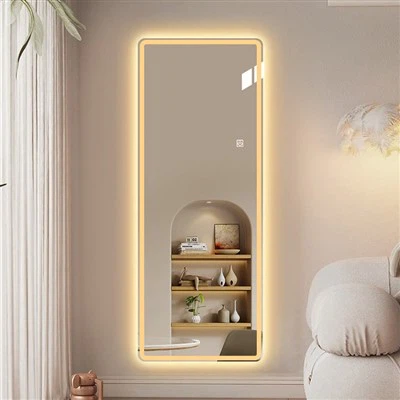
With the advancement of technology and changes in consumer demand, the decorative glass industry is ushering in an unprecedented wave of innovation. From high-efficiency architectural glass to personalized interior decoration, glass is no longer a simple transparent material. It is the intersection of design, environmental protection and intelligent technology. This article will give you an insight into the development trends of the decorative glass industry and look into its possible development direction by 2025.
Definition and application of decorative glass
Decorative glass as a multifunctional material. It not only has the transparency of traditional glass, but also can be endowed with beautiful and practical characteristics through different processing processes. Its application covers architecture, interior decoration, furniture and many other fields.
Architectural field
In the field of architecture, decorative glass is mainly used for exterior facades, Windows, skylights and other parts. Through different treatment processes, such as frosting, etching, painting, etc., decorative glass not only meets the functional requirements, but also enhances the aesthetics of the building. In recent years, with the rise of green buildings, energy-saving glass and smart glass have become important elements in architectural design.

Interior design
In interior design, decorative glass is widely used in partitions, furniture, bathroom doors, stair railings and other locations. The application of these locations allows the glass to bring a modern and stylish feel to the space. In addition, glass can also increase the permeability and light sense of the space through its own reflective properties. This makes the whole indoor environment more comfortable.
Furniture design
Modern furniture design is now increasingly favoring decorative glass, especially in high-end furniture. Glass is often used as a decorative element. Some characteristics of decorative glass can enhance the visual effect of furniture, but also show its modern sense. The design of glass countertops, glass bookshelves and glass lamps occupies an important position in the fashion home.
Current trends in the decorative glass industry
The decorative glass industry has several major trends.
Environmental protection and sustainable development
Environmental protection and sustainability have been the main themes in recent years. Not only in the glass industry, but in other industries as well. With the improvement of environmental awareness, consumers' requirements for building materials are becoming increasingly stringent. Energy-saving and environmentally friendly decorative glass has gradually become the mainstream choice in the market. For example, low-radiation (Low-E) glass can effectively block ultraviolet and infrared rays, thereby improving the energy efficiency of the building. At the same time, the use of recycled glass has also received widespread attention, and many glass manufacturers have introduced environmentally friendly processes to reduce energy consumption and carbon dioxide emissions in the production process.
The integration of intelligent technology
Smart glass has developed rapidly in recent years and is widely used in the field of decorative glass. The biggest feature of smart glass is that it can respond to changes in the external environment and automatically adjust the light transmission. For example, the light control glass can adjust the transparency according to the light intensity, and the dimming glass can change the color or transparency according to the need. Based on this, privacy protection and energy saving functions are also implemented. In addition, smart glass can also be linked with smart home systems to achieve more automation functions.
The demand for personalized customization is increasing
With the improvement of consumption level, consumers pay more and more attention to individuation and customization. The design of decorative glass has therefore moved towards customization. Consumers can choose different colors, textures, shapes and other elements according to their needs and preferences. The glass products can be better integrated into the home or office space.
The popularity of frameless glass designs
Frameless glass is popular because of its simple design and advanced and modern appearance. Frameless glass is often used in balconies, Windows, partitions and bathroom doors. Frameless design gives the glass more visual impact. It also reduces the use of metal frames, resulting in a better sense of transparency and space.
The vision of decorative glass in 2025
After entering 2025, the decorative glass industry will continue to maintain a trend of innovation and development. Here are a few possible directions for decorative glass in 2025.

Increased demand for green building glass
With the global construction industry's attention to green buildings, energy-saving and environmentally friendly decorative glass will become an important trend in the future market. For example, photovoltaic glass, thermal isolation glass and self-cleaning glass will be more widely used. Photovoltaic glass integrates solar power generation technology. Not only can it be used as the facade of the building, but also can provide energy for the building. It has broad market prospects.
The popularization of intelligent and adaptive glass
Smart glass will no longer be a "novelty" in the future, but a common element in everyday life. For example, smart glass that automatically adjusts light transmission will be more popular in office buildings, commercial buildings, residential and other places. In addition, the glass will have more adaptive functions. Such as automatically adjusting the light transmittance according to temperature changes, or integrating voice control and touch control.
High performance and aesthetics
The decorative glass of the future will not only provide a beautiful appearance, it also needs to have a higher performance. In addition to good light transmission and heat insulation, UV protection, wind pressure resistance, earthquake resistance and other properties will also become an important indicator of decorative glass design. Decorative glass should not only meet the design needs aesthetically, but also meet the actual needs of buildings and families functionally.
Augmented reality (AR) combined with decorative glass
With the development of augmented reality technology, there may be decorative glass that can be linked with AR devices in the future. It would be a big step forward in decorating glass. For example, through AR technology, consumers can view different colors, textures and pattern effects on glass in real time. Help them make better choices. Decorative glass is no longer just a physical material, it can become an interactive medium. It also enhances the interactivity and interest between Spaces and individuals.
The challenges facing the decorative glass industry
Looking to the future, there are many opportunities in the decorative glass industry. However, it is inevitable to face a series of challenges in the process of development.
Technology development and cost control
The technology of smart glass and high-performance glass is constantly advancing. Because their production requires sophisticated equipment, their production costs are relatively high. Especially high-end products, such as color-changing glass, light control glass and so on. The price is also relatively expensive. This makes it difficult for some small companies to enter the high-end market. Therefore, the problem we need to consider appears: how to reduce costs and improve glass technology research and development capabilities. I think that's something we'll be thinking about in the future.
Overcapacity and competitive pressure
With the rapid development of the industry, the competition in the decorative glass market is becoming more and more fierce. In order to expand market share, some enterprises may increase production capacity investment, resulting in overcapacity. Vicious price competition occurs from time to time. This not only affects the healthy development of the industry, but also has a negative impact on the profitability of some enterprises.

Environmental policy pressure
With the attention of governments to environmental protection policies, decorative glass manufacturers need to comply with more stringent environmental standards in the production process. For example, reducing harmful gas emissions, the use of recycled glass, and reducing energy consumption in the production process. These are important issues that enterprises must face in the future development.
Conclusion
Decorative glass industry for so many years, has been showing a diversified, intelligent and green trend. As technology advances and consumer needs change. Decorative glass is not only a functional material, it will be more and more integrated into People's Daily life and architectural design. Become the core element to enhance the beauty and function of the space.
For glass suppliers and manufacturers. Grasping the trend of intelligence and personalized customization, and actively developing new environmentally friendly and high-performance materials will be the key to winning market competition. At the same time, the glass industry needs to pay more attention to technological innovation and cost control to cope with the increasingly fierce market competition.
Looking forward to 2025, the future of the decorative glass industry is full of unlimited possibilities. How to find their own position in this change will determine whether enterprises can stand out in this industry full of opportunities and challenges.
If you are interested in us, please contact us!