Decorative glass is widely used in architecture, interior design and art to enhance the visual impact of a space, provide privacy and improve the quality of light. The following is a detailed introduction to several major types of decorative glass.
Multicolored Glass
Stained glass is made by adding metal oxides during the glass manufacturing process to make it appear different colors. If we want to connect stained glass into a complete pattern or picture, lead bars are generally used for connection. This kind of glass is generally used in religious buildings, hotels, art venues, etc. Especially widely used in religion, stained glass windows were particularly popular in Europe from the mid-12th century to the mid-16th century. These windows were composed of stained glass. At that time, they were a prominent feature of cathedrals and gorgeous residences, especially in Gothic. The special-style church shows a strong sense of history and magnificence.

Engraved Glass
Engraved glass is generally carved on the glass surface by acid etching or sandblasting. The engraved text or pattern can be designed according to customer needs. This processing method is relatively fine and can also create a soft matte effect, which is more suitable for decorative doors and windows. , mirror, etc. It is not suitable for large areas, and it is relatively expensive in terms of cost. People who pursue a refined life can consider this kind of glass.
Frosted Glass
Frosted glass is made by sandblasting or acid-etching the glass surface. The surface has a matte texture and is more comfortable to the touch and look. Unlike engraved glass, which is relatively easy to handle, engraved glass will have finer details. This kind of glass has a good privacy protection function and does not hinder the passage of light. It can soften the light and diffuse the light into the space, creating a certain sense of comfort. However, it is also visually blurry and is commonly used in various bathroom and office partitions. and other places.
Textured Glass
During the manufacturing process of textured glass, different texture patterns are formed on the glass surface through mold imprinting or rolling processes. Although it does not have the frosted texture of frosted glass surface, this kind of glass can also provide good privacy protection and decorative effect, and is widely used in windows, furniture panels, etc.
Color Coated Glass
Color coated glass is achieved by evenly applying a layer of colored coating on the glass surface by spraying, rolling or dipping. This kind of glass not only has a decorative effect, but also provides multiple functions of shading, energy saving and beauty. This kind of glass has many advantages, such as strong decorative effect, light adjustment, privacy protection, energy saving and cooling. It is widely used in places such as building windows, furniture and interior partitions.
Beveled Glass
Beveled glass is made by grinding and polishing the edge of the glass to form a decorative glass with a certain angle bevel. Beveled glass can increase visual depth and light and shadow effects. Generally, under the irradiation of light, the bevel will produce a prism effect that can reflect rich brilliance, so it can produce a unique effect in terms of aesthetics. It is widely used in occasions such as doors, windows, mirrors and furniture, which can enhance the beauty and grade of the space.
Molten Glass
Molten glass is formed by melting glass pieces of different colors and shapes together at high temperature. Molten glass has fluidity and plasticity, and can be made into glass products of various shapes and functions through different molding processes. It has many characteristics, such as excellent transparency, which can transmit a large amount of visible light; it also has good plasticity and chemical stability; it can withstand high temperatures, is not easy to deform, and is stronger and can withstand certain impacts and pressures. It plays an important role in many fields such as architecture, art, home, industry and electronics.
Mirror Glass
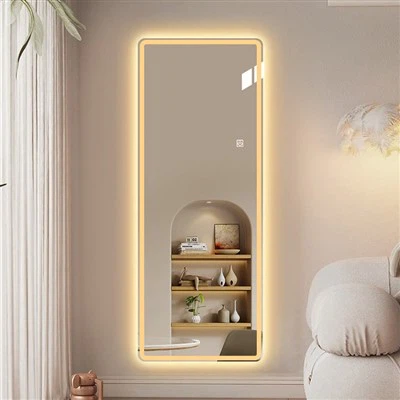
During the manufacturing process of mirror glass, a metal film such as silver or aluminum is coated on the glass surface to make the surface reflective, and then a protective coating is applied on the reflective layer to increase durability. Mirror glass is also very common in life and is often widely used in mirrors, mirror decoration and furniture manufacturing.

Hand-painted Glass
Hand-painted glass is a decorative glass made by hand-painting patterns and designs on the glass surface. Each step of this process requires exquisite skills and meticulous work. Generally, fine brushes or special tools are used to hand-paint on the glass surface. The whole process requires patience and meticulousness. For complex patterns, it can be painted in layers, and each layer can be dried before the next layer can be painted. This glass art combines the characteristics of painting and glass to create unique and beautiful works, which are widely used in windows, doors, and lighting. Hand-painted glass not only has aesthetic value, but also reflects individuality and creativity. It is an important element in many interior design and architectural projects.
Antique Glass
Antique glass refers to glass products with a long history and collection and ornamental value. This type of glass products is favored by collectors and history enthusiasts because of its age, unique craftsmanship and rarity. Antique glass has high historical and artistic value, and well-preserved antique glass will have high market value. However, you must pay attention to the identification method when purchasing. You can find a professional to buy it together, and be careful not to be deceived. Antique glass can be daily necessities, decorations, religious objects or other items for specific purposes, and there are often rich historical and cultural connotations behind it.
Insulating Glass
Insulating glass is a structure formed by leaving a hollow layer between two or more layers of glass and sealing the edges. Filling the hollow layer with inert gas can improve the thermal insulation performance. This kind of glass is similar to laminated glass. It can be sandwiched with colors, textures, etc., and has aesthetic effects. Because it contains a hollow layer, it has excellent thermal and sound insulation properties.
Dichroic Glass
Dichroic glass is a highly specialized glass that reflects one color and transmits another color through a complex light refraction process, thereby showing two different colors.
Dichroic material is a modern composite non-translucent glass made of a variety of metal oxides stacked together, which makes the color of the glass change with the angle, so that it can show a range of colors, perhaps from a certain angle, it can show the colors of the rainbow, which is why it is called "dichroic". So this kind of glass is also used for decorative purposes, such as colored glass, jewelry or other art forms of glass display.
Smart Glass
Smart glass can adjust light transmittance and optics, and is an advanced glass material. By applying external stimuli such as electricity, light or heat, smart glass can achieve changes in transparency, color and reflectivity, and can meet the needs of different environments. According to the working principle and application scenario, it can be divided into many types: electrochromic glass, liquid crystal glass, photochromic glass, thermochromic glass. In the future, smart glass may have more functions. Although the cost is high now, it is expected to be reduced in the future, so that it can be applied in more fields.
Laminated Glass
Laminated glass, as the name suggests, is a layer of transparent plastic film sandwiched between two or more layers of glass, and then the glass and the interlayer material are placed in an autoclave together for heating and pressurization to make them firmly combined, and finally cooled. This production method improves the strength and safety of the glass to a higher level. Decorative laminated glass can be sandwiched with colored, textured or patterned films to increase the aesthetic effect.

Hot Melt Glass
Hot melt glass is a glass material made by heating and melting, which is usually used to make various artworks, decorations and crafts. The production process of hot melt glass involves heating the glass to the melting point, turning it into a liquid, and then forming, cooling and solidifying it. So it has good heat resistance, high transparency and good gloss. Due to its unique process characteristics, hot melt glass has a wide range of applications in the field of art and crafts.
Decorative Wired Glass
Decorative wired glass is a composite glass that sandwiches decorative elements between two layers of glass. This type of glass not only has the basic properties of glass, but also has the characteristics of visual beauty, privacy protection, structural enhancement, good sound insulation, etc. due to its unique process and material selection. It is widely used in architecture, interior design and decoration.
There are many types of decorative glass, each with its own unique production process and application scenarios. From colored glass to decorative wired glass, each plays an important role in aesthetics, functionality and artistry. Understanding different types of glass and their characteristics can help architects or users themselves choose more suitable materials to achieve the best decorative effect.