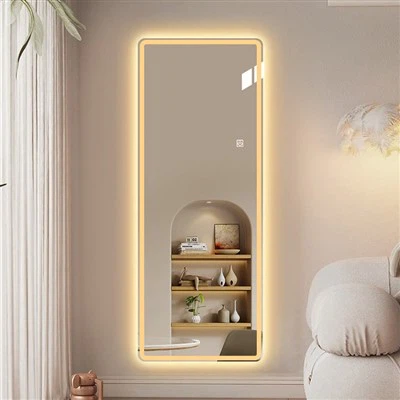
Ultra white glass has another name, it is also called low iron glass. It's very transparent. By reducing the iron content in the glass, it gives the glass a crystal-like texture. Generally, ordinary glass is green from the side or front. This is because the iron content is high, so it shows a green color. The light transmittance of ultra-white glass can reach 91.5%, and it is crystal clear in form. Ultra-white glass has excellent properties unmatched by other glass. It has been used in many fields.

Features of ultra-white glass
High transparency
The iron content of ultra-white glass is extremely low, generally less than 0.01%. This makes the glass extremely transparent. The light transmittance can reach more than 91%. Much higher than ordinary glass. The light transmittance of ordinary glass is generally between 80-90%. So we can see things very clearly if we look through ultra-white glass. It has no effect on the color or shape of the food.
Pure color
Because the iron content of ultra-white glass is so low, ultra-white glass looks almost colorless. It's not that it's white, it's that there's no color. So it looks clean. Generally, ordinary glass is green or blue. This kind of glass looks more pure, and if used in a building, it will look very clean.
High mechanical strength
Ultra-white glass is strictly controlled in the production process. It can also accept higher hardness and strength. It will not be easily damaged during processing. Suitable for many deep processing. Processes such as tempering, bending or laminating.
Superior optical properties
Ultra-white glass has the advantages of high transmittance and low color difference. It is excellent in optical display. Some applications that require high visual effects are very suitable for ultra-white glass.
Good weather resistance
Ultra-white glass is also very good at maintaining durability. Don't be afraid of it in the sun and humidity for a long time. It doesn't change color or change shape easily. So the strength of ultra-white glass is still relatively high. Always maintain its own transparency and appearance.
Advantages and disadvantages of ultra-white glass
advantage
Excellent visual effect: high transparency and no impurities in the internal structure, so that the ultra-white glass has a strong visual effect. We see everything clearly through the ultra-white glass.
Strong optical performance: the low color difference and high transmittance of ultra-white glass make it widely used in optics and other fields.
Strength and weather resistance: ultra-white glass has good mechanical strength and weather resistance. It can be used in a variety of environments. It can withstand changes in the external environment, so the shape of ultra-white glass is very stable.
Environmental protection and energy saving: ultra-white glass is also used in solar energy. It can improve the conversion efficiency of light and electricity. Contribute to energy saving and environmental protection.
shortcoming
High cost: ultra-white glass is more expensive than ordinary glass. After all, the overall production process is slightly strict, and the demand for raw materials is also high. Therefore, the budget cost is also relatively high.
Processing is difficult: ultra-white glass in the manufacturing process to reduce the iron content, so the whole process is very strict. In particular, more precise control is required during the cutting and forming process. So the production time is also relatively long.
Easy to damage: Glass basically has a feature that is afraid of breaking. So even if the hardness of ultra-white glass is relatively strong, we should pay attention to bumps during transportation. In the installation should also pay attention to avoid unnecessary losses.

Where is the ultra-white glass used?
Architectural decoration
Ultra-white glass as a high-end building doors and Windows, partitions and other areas are very suitable. Its high transparency and aesthetics are one of the preferred materials for architectural decoration. In terms of function, it can ensure natural lighting and permeability. In appearance, the overall clean and simple, improve the indoor comfort.
Display cases and exhibitions
Super white because of its crystal clear characteristics can also be used as a jewelry display case. Its high transparency can show the most beautiful side of the exhibit. More attractive to customers. Or as a museum, exhibition hall display case. It is also clearer in the display of cultural relics. It also provides the necessary protection.
Solar photovoltaic panel
When ultra-white glass is used in solar photovoltaic panels, it can improve the photoelectric conversion rate. Increased power generation from solar cells. The weather resistance of ultra-white glass can also extend the life length of photovoltaic panels. Overall cost reduction.
Electronic display
Some high-end TV display protective layer can use ultra-white glass. Ultra white glass can show a good visual effect. It is also available on the screen panels of smartphones and tablets. Not only can you clearly watch various videos, but also have a good experience in touch effect.
Household goods
High-end glass furniture is also the first choice for ultra-white glass. Such as coffee table, cabinet door, various decorations and so on. It not only improves the grade and aesthetics of the furniture. Its high transparency also makes the furniture cleaner and more stylish.
Optical instrument
Ultra-white glass is often used in telescope and microscope lenses. Provides improved optical performance and clarity. It can also be used as an optical filter, and the low chromatic aberration of ultra-white glass makes it an ideal material. Good control of light reflection and transmittance.
Medical equipment
Ultra-white glass also has applications in the medical field. Like the Windows of some medical instruments. The high light transmittance and low reflectivity of ultra-white glass allow medical staff to see more clearly. The reliability of the data is ensured. In the laboratory, ultra-white glass can be used in microscopes, petri dishes and other utensils. It can provide excellent visual field and accurate experimental results.

The difference between ultra-white glass and ordinary glass
The above describes the characteristics, advantages and application areas of ultra-white glass. Although you can already see the difference between ultra-white glass and ordinary glass, let's summarize it. It helps us better distinguish between ultra-white glass and ordinary glass.
Iron content
Ultra-white glass: the iron content is very low, usually less than 0.01%. So glass basically has no color.
Ordinary glass: Iron content is high, generally about 0.1%. The high iron content will make the glass appear green and blue tones.
Transparency
Ultra-white glass: light transmittance can exceed 91%, visual effect is relatively clear and pure. Some of the more high-end products can even achieve light transmittance of more than 95%. There's no obstruction to our vision at all.
Ordinary glass: the light transmission rate is about 80-90%, and the transparency is slightly lower than that of ultra-white glass. And it affects the visual effect.
Colour
Ultra-white glass: Ultra-white glass shows almost no color because of its low iron content. So it will look very pure. In terms of viewing, the comfort is excellent. The color of the glass itself does not affect how we see objects through it.
Ordinary glass: Ordinary glass will show a greenish-blue tone because of its high iron content. In fact, in life, we see ordinary glass itself is very clean. But once it is compared with ultra-white glass, it can be found that ultra-white glass is more pure. And if we look at light objects through ordinary glass, the perspective effect may be affected. This color difference is relatively obvious.
Mechanical strength
Ultra-white glass: due to the strict control of the production process. Ultra-white glass is also superior in mechanical strength. All kinds of deep processing can be accepted, such as tempering, sandwich and other processes.
Ordinary glass: Mechanical strength and hardness are not as high. But as the glass commonly used in our lives, it is also enough to meet the demand.
Weather fastness
Ultra white glass: Excellent weather resistance. Long-term exposure to sunlight and wind and rain will not cause deformation or discoloration problems. Always maintain its own transparency and appearance.
Ordinary glass: poor weather resistance. If not carefully maintained, long-term exposure to harsh environments may result in aging phenomena such as discoloration.

Production technology
Ultra-white glass: The production process is more complex. Because the iron content needs to be strictly controlled during the production process. Production costs are higher. The demand for raw materials will be high. For example, high purity quartz sand and other pure raw materials.
Ordinary glass: The production process is relatively simple. Raw materials are also available and production costs are low. Generally, ordinary quartz sand can be used.
Application field
Ultra-white glass: can be widely used in various places. Some high-end building partitions, jewelry display cases, electronic displays, furniture and other regional places are no problem. High transparency and high visual effects can be presented.
Ordinary glass: widely used in general building doors and Windows, partitions and other areas with low requirements for transparency and visual effects.
Sum up
With its high transparency and high visual effect, ultra-white glass has good application prospects in various fields. Compared with ordinary glass, ultra-white glass has more advantages in terms of characteristics and application fields. It is the ideal material for your pursuit of high quality and high performance.