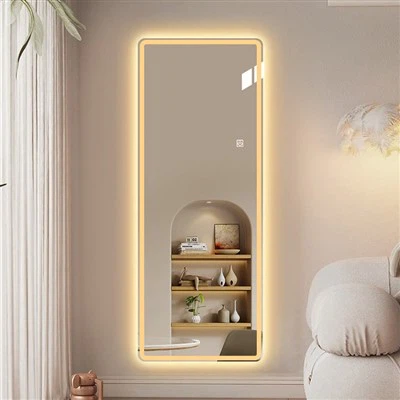
In the world of interior design, hospitality, retail, and construction, mirrors are far more than just functional objects. They are powerful design elements that transform spaces, amplify light, create illusions of depth, and elevate the aesthetic appeal of any project. For businesses, sourcing the right mirrors is a critical decision that impacts not only the final look of your offering but also your bottom line, project timelines, and reputation.
However, finding a reliable, high-quality mirror supplier can be a daunting task, especially in a globalized B2B marketplace. The wrong choice can lead to subpar products, delayed shipments, unexpected costs, and frustrated clients.
To empower your decision-making process, we've compiled the five most crucial factors you must evaluate before partnering with a B2B mirror manufacturer. This guide will ensure you select a partner who delivers on quality, consistency, and value, helping your business shine.
1. Uncompromising Quality and Craftsmanship: The Foundation of Excellence
The most critical factor in choosing a mirror supplier is, without a doubt, the quality of their products. A mirror might look simple, but its manufacturing involves precise science and artistry. Poor quality manifests in defects that are costly to rectify once installed.
What to Look For:
Flawless Glass Substrate: The base glass should be clear, flat, and free from distortions, bubbles, or streaks. Inquire about the grade of glass they use (e.g., float glass quality).
Superior Mirror Coating: The reflective coating (typically aluminum or silver) is the heart of the mirror. A high-quality coating is even, highly reflective, and durable. Ask about their coating process and the standards they adhere to. It should be resistant to oxidation and degradation, especially for humid environments like bathrooms.
Durable Edge Work: The edges of a mirror are not just a finish; they are crucial for safety and longevity. Examine the options:
Seamed Edges (Pencil Grind): A basic, slightly rounded edge that removes the sharpness. Suitable for mirrors that will be framed.
Polished Edges (AR Edge): A beautifully polished, glossy edge that enhances the mirror's appearance for frameless applications. It is more durable and less prone to chipping.
Bevelled Edges: A classic, angled cut that reflects light beautifully. The quality of a bevel is a true test of craftsmanship-it should be consistent, clear, and precise without any chips or waves.
Protective Backing: A robust backing (e.g., copper-free paint, specialized coatings) is essential to protect the reflective layer from moisture and corrosion from behind. A poor backing will lead to "black edge" or overall deterioration over time.
Questions to Ask Your Potential Supplier:
"Can you provide details on your quality control process at each stage of production?"
"What specific materials do you use for your reflective coating and backing?"
"Do you have samples available so I can physically inspect the glass clarity, edge work, and coating integrity?"
Why It Matters for Your Business: Using high-quality commercial mirrors reduces callbacks, complaints, and replacement costs. It enhances your project's value and protects your brand's reputation for delivering excellence.

2. Customization Capabilities: Bringing Your Unique Vision to Life
Standard sizes and shapes won't cut it for most high-end projects. The ability to provide custom mirrors is what separates a basic vendor from a true manufacturing partner. Your supplier should be able to adapt to your specific design requirements.
Key Customization Options to Expect:
Precise Cutting and Shaping: Beyond standard rectangles, look for a supplier capable of precision cutting into unique shapes: circles, ovals, arches, abstract forms, and even intricate patterns with computer-controlled (CNC) machinery for absolute accuracy.
Thickness Variety: Projects demand different glass thicknesses (e.g., 1/8", 3/16", 1/4", 3/8", 1/2"). A good supplier offers a range to suit applications from lightweight decorative pieces to heavy-duty, large-format architectural mirrors.
Specialty Finishes and Features:
Tinted Mirrors: Grey, bronze, or blue tints for specific aesthetic and light control needs.
Anti-Fog Mirrors: Essential for hospitality and residential bathrooms, featuring an integrated heating element to prevent steam buildup.
Safety Mirrors: Either tempered glass (shatters into small, dull pieces) or laminated glass (holds together when broken). This is a non-negotiable for public spaces, gyms, and homes with children.
Decorative Enhancements: Sandblasted patterns, digital printing, and mirror engraving offer limitless creative possibilities.
Questions to Ask Your Potential Supplier:
"What is your process for handling custom orders? What are the MOQs (Minimum Order Quantities)?"
"What file formats do you require for custom shapes and designs?"
"Can you show me a portfolio of past custom projects?"
Why It Matters for Your Business: A supplier with strong custom mirror capabilities allows you to offer unique solutions to your clients, differentiate yourself from competitors, and tackle a wider variety of projects.

3. Certifications, Compliance, and Industry Standards
In the B2B world, trust is built on verifiable credentials. A reputable mirror manufacturer will proudly adhere to international quality and safety standards. These certifications are your assurance of a systematic, professional approach to manufacturing.
Important Standards to Look For:
ISO 9001: This is the international standard for Quality Management Systems (QMS). It demonstrates that the supplier has consistent processes in place to ensure product quality and customer satisfaction.
ANSI Z97.1 / CPSC 16 CFR 1201 (U.S.) / EN 14179 (EU): These are critical safety standards for glass used in buildings. They specify the requirements for tempered glass and laminated glass, ensuring it is safe for architectural use.
CARB Phase II Compliant: This indicates that the composite wood products used in mirror frames (if applicable) meet formaldehyde emission standards set by the California Air Resources Board, which is often adopted as a de facto global standard.
Other Material-Specific Certificates: Certificates proving the quality of the silvering/coating materials and backing paints.
Questions to Ask Your Potential Supplier:
"Are you ISO 9001 certified?"
"Do your safety glass products comply with ANSI Z97.1 / EN 14179?"
"Can you provide test reports or certificates for your materials?"
Why It Matters for Your Business: Partnering with a certified supplier mitigates your risk. It ensures the products you source are safe, reliable, and meet the legal requirements of your market, preventing potential liability issues.
4. Logistics, Packaging, and Shipping Expertise
A perfect mirror is worthless if it arrives shattered. For a fragile product like glass, logistics expertise is not an added benefit-it is a core part of the service. Your wholesale mirror supplier must have a proven, robust system for packaging and shipping products globally.
Critical Aspects of Reliable Logistics:
Professional, Secure Packaging: Mirrors must be packed with extreme care. This includes:
Corner protectors on every piece.
Separating each mirror with protective foam or cardboard.
Securing the entire bundle within a rigid, wooden crate (for LTL and international shipments) to prevent any movement and absorb impact.
Global Shipping Experience: The supplier should have experience navigating international freight, customs clearance, and documentation (e.g., commercial invoices, packing lists, certificates of origin). They should offer flexible shipping terms (EXW, FOB, CIF, DDP) to suit your needs.
Transparency and Tracking: You should receive clear order confirmations, shipping details, and real-time tracking information so you can plan your project timeline accordingly.
Damage Policy: Understand the supplier's policy for damaged goods upon arrival. A professional supplier will have a clear claims process and will stand behind their packaging.
Questions to Ask Your Potential Supplier:
"Can you detail your standard packaging process for international shipments?"
"What shipping partners do you typically work with, and what Incoterms do you offer?"
"What is the process for filing a claim if a shipment arrives damaged?"
Why It Matters for Your Business: Efficient logistics prevent project delays, financial losses from damaged goods, and stressful negotiations. It ensures a smooth, predictable supply chain for your business.
5. Communication, Customer Service, and Reliability
The final piece of the puzzle is the human element. You are not just buying a product; you are entering a business relationship. The supplier's responsiveness, transparency, and willingness to support you are paramount.
Indicators of a Great Partner:
Responsive Communication: They answer emails and inquiries promptly, provide clear information, and are proactive in updating you on order status or potential delays.
Technical Support and Expertise: Their sales and customer service team should be knowledgeable about their products. They should act as consultants, helping you choose the right type of mirror for your specific application.
Consistency and Reliability: Do they deliver on their promises? Check for reviews or ask for references. A reliable supplier delivers consistent quality, on time, every time.
Problem-Solving Attitude: Issues can arise in manufacturing and shipping. A true partner will work with you to find a solution, not hide from the problem.
Questions to Ask Your Potential Supplier (and Yourself):
How quickly did they respond to my initial inquiry?
Were they able to answer my technical questions thoroughly?
Can they provide contact information for other clients in my region for a reference?
Why It Matters for Your Business: A supplier with excellent customer service becomes an extension of your team. They reduce your stress, save you time, and provide a collaborative partnership that contributes to your long-term success.

Partnering for Success
Choosing the right mirror supplier is a strategic decision that requires careful evaluation beyond just comparing price lists. By prioritizing uncompromising quality, robust customization capabilities, verifiable certifications and compliance, bulletproof logistics expertise, and exceptional customer service, you lay the foundation for a successful and profitable partnership.
This due diligence will ensure that the mirrors you source enhance your projects, delight your clients, and strengthen your brand's commitment to excellence.
Ready to Experience the Difference a True Partner Can Make?
At LUCK GLASS, we embody all five of these crucial principles. As a leading B2B mirror manufacturer, we are dedicated to providing our global clients with superior quality custom mirrors, backed by international certifications, secure global shipping, and unparalleled customer support.
Let's discuss your next project. Contact our team today for a consultation, request free samples to see our quality firsthand, and discover why leading businesses worldwide trust us as their mirror supplier.