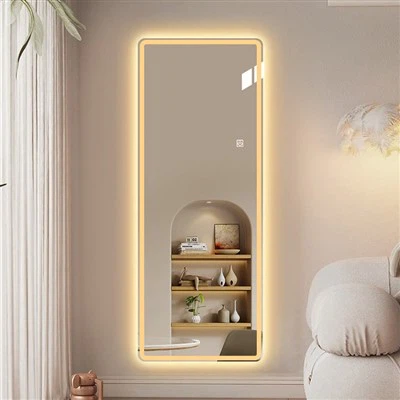
Frosted glass is a type of glass that has been treated by physical or chemical methods to give its surface a translucent, rough texture. This kind of glass is widely used in architectural decoration, furniture design and daily life. Because of its unique characteristics and a variety of functions are widely welcomed. The advantages and disadvantages of frosted glass can be discussed in detail from the following aspects.

advantage
Privacy protection
The most obvious and outstanding advantage of frosted glass is its privacy protection. Because of the way frosted glass is made, its surface appears translucent. The texture of the surface scatters incoming light. In this way, the light will be scattered when entering, and the direct penetration of the line of sight can be well blocked. It also doesn't block light from passing through.
Aesthetic and decorative
The appearance of frosted glass is aesthetically pleasing. Its surface is matte texture, and it feels comfortable to the touch. Visually diffusing light. Will not let the light into the eyeball, so the visual is also very comfortable, it can be said that whether it is feel, feel or visual feeling, it is very cost-effective. Frosted glass can be used in a variety of architectural and interior design styles, adding a lot of texture to the spatial level.
security
The advantages of frosted glass in this regard are also very strong. This is because its surface is frosted, so it actually increases the coefficient of friction. The sliding coefficient is greatly reduced.
Light conditioning
Frosted glass, due to its translucent properties, allows light to scatter as it passes through the glass. Even if the outside sun glare again, the indoor see is also soft and uniform lighting effect.
shortcoming
Light transmittance is low
Although it can scatter light and soften the light, but the light through and transparent glass is still not comparable. Frosted glass gives a darker feel. If you want frosted glass to still have a good lighting effect in a natural light room, it is basically impossible. Then you need to increase artificial lighting, but also increase energy consumption.

Blurred vision
The surface properties of frosted glass obscure the view on both sides. This feature is only suitable for the protection of privacy. If you want to use it where you need a clear line of sight, this glass is not suitable.
Higher cost
Because frosted glass surfaces require additional treatment. So compared to ordinary glass, these additional processes increase the cost of materials. Making its price relatively higher. When using frosted glass in a large area, it is necessary to consider the cost.
Vulnerable to damage
The convex and convex texture of the glass surface is easily subjected to physical damage. Such as tapping, scraping and other forms. Once damaged, the beauty of the glass itself will be reduced. Functionality may also be limited. So although it has a certain strength, it is inevitable that life will cause permanent scratches on it.
Limited soundproofing
Frosted glass itself has a certain sound insulation effect. However, it cannot be used as a special soundproof glass, even if it increases its thickness. For places requiring high sound insulation performance. Such as recording studios, movie theaters, noisy office areas and other places, frosted glass is not good at soundproofing. At this time, there is still a need for better and more suitable acoustic glass applications.