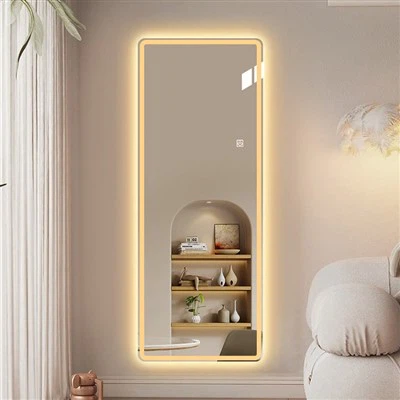
The surface of the anti-reflective glass has a coating that reduces the reflected light on its surface. It not only improves light transmission in visual effect, but also shows many advantages in environmental protection and energy saving.
Energy saving effect of anti-reflection glass
Improve light transmittance and reduce energy consumption
Anti-reflective glass reduces the light reflection of the surface, so that the transmission rate is as high as 96% to 99%. In this way, most of the light passes through the glass, and the light transmittance of the anti-reflective glass is much higher than that of ordinary glass. This characteristic greatly facilitates people's lives in life, and also directly saves energy in many aspects.

Reduce heat loss and improve building insulation performance
Anti-reflective glass is often used in combination with low-radiation glass in multi-glazing or insulating glass systems, which significantly improves energy efficiency.
We will support the development of new energy
In the field of photovoltaic power generation, the efficient light transmission of anti-reflective glass is crucial to improve the performance of photovoltaic modules.
The environmental protection effect of anti-reflective glass
Reduce light pollution
Light pollution is a common environmental problem in modern cities. By reducing the light reflectivity of the surface, anti-reflective glass can significantly reduce light pollution in the following scenarios.
Support sustainable material production and recycling
The manufacturing process of anti-reflective glass is more environmentally friendly than traditional glass, which is reflected in two aspects. One is to reduce the waste of resources, and the other is that the anti-reflective glass is recyclable.
Reduce greenhouse gas emissions
The energy saving properties of anti-reflective glass directly reduce the demand for electricity in the operation of buildings and equipment, thereby indirectly reducing greenhouse gas emissions.
Environmental protection and energy saving performance of anti-reflection glass in application scenarios
· Architecture and interior decoration
Anti-reflection glass is widely used in architecture. Whether it is beautifying the space, or improving the energy saving effect, it can do it.
Curtain walls and Windows: Anti-reflective glass is often used in office buildings and homes. Because it can reduce glare and improve lighting efficiency, indoor environment can get a good lighting effect. It also saves a lot of energy.
Indoor separation: When anti-reflection glass is applied to interior decoration, its high light transmission and low reflection characteristics can increase the permeability of the space. At this time, no additional light source is required to achieve the ideal visual effect.

· Solar energy industry
Anti-reflective glass is an important part of photovoltaic panels, and its environmental advantages are reflected in many aspects.
Higher power generation efficiency: Anti-reflective glass in photovoltaic installations improves overall energy conversion efficiency. This can reduce the land occupation area.
Extended service life: Anti-reflective glass is often combined with an anti-fouling or hydrophobic coating. Sometimes we clean the glass is also a very complicated thing. With this feature of anti-reflective glass, the need for cleaning and maintenance is reduced. This extends the service life of the equipment and further enhances its sustainability.
· Electronic equipment
Anti-reflective glass is often used in the screens of electronic devices such as mobile phones, tablets and computers because of its ability to reduce glare.
Energy saving display: Anti-reflective coating reduces light reflection from electronic screens. This makes the display clearer, which reduces the need for screen brightness. The battery also saves a lot of energy.
Eco-friendly manufacturing: Many glass manufacturers also choose sustainably produced materials when making anti-reflective glass. Only materials that meet international environmental standards can promote sustainable development.