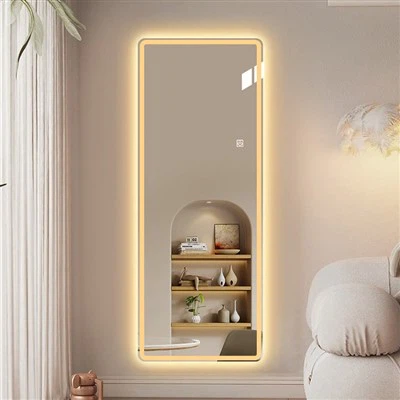
For furniture brands and interior designers, materials are not only functional carriers-they are the foundation of design language. Finding "the next big thing" means identifying the intersection of advanced technology, evolving aesthetics, and sustainability. In 2026, glass-a material both ancient and modern-is undergoing a silent revolution. It is shifting from a passive component to a defining element of smart spaces, high-end aesthetics, and eco-conscious design.
This article breaks down the three dominant trends shaping the market and offers actionable insights to help you stay ahead in your next collection or project. Throughout the analysis, we also reference how manufacturers like Luck-Glass are driving these innovations forward.
Trend 1: Smart Dimmable Glass (PDLC) - Redefining Boundaries and Privacy
What used to be a static glass partition can now function as a programmable, dynamic surface. PDLC (Polymer Dispersed Liquid Crystal) smart glass allows instant switching between transparent and frosted modes. This is more than a technological upgrade-it directly responds to the evolving needs of modern work and living environments.
Key Applications & Value
1. Dynamic Office Zoning
Open environments and private meeting needs no longer conflict. With a single switch, a B2B large-format PDLC smart partition provides clear visibility for team collaboration or instant privacy for confidential discussions. This solves the limitations of fixed partitions and enables flexible, future-proof workspace design.
2. High-End Furniture Integration
Cabinet doors, display cases, headboards, and other surfaces can be embedded with PDLC film. Imagine a luxury display cabinet that switches transparency based on time of day or interior lighting-art pieces can transition effortlessly between hidden and showcased states.
Technical Purchasing Tips
When talking with suppliers, prioritize:
response time
haze level
power consumption
long-term stability
For large-scale projects, work directly with manufacturers with in-house PDLC film development, such as Luck-Glass, to ensure consistency and simplified after-sales service.
Trend 2: The Aesthetic Revival - Textured Glass Meets Ultra-Clear Transparency
In a design era where minimalism coexists with personalization, glass surface treatments have become essential tools for designers seeking unique emotional and visual expression.
1. The Return of Textured Glass
Long-standing patterns such as reeded (fluted) glass, water ripple, and hammered textures remain popular. But in 2026, the highlight is custom embossed textures.
Furniture brands can collaborate with experienced textured-glass manufacturers-such as Luck-Glass, known for custom roller-engraving-to create exclusive patterns for:
screens and partitions
cabinet fronts
tabletops
These textures deliver soft privacy and signature light-shadow effects, making them a defining element of contemporary interiors.
2. The Rise of Ultra-Clear Glass (Low-Iron Glass)
Standard glass contains iron impurities that create a subtle green tint, especially visible in thicker panels. Ultra-clear Low-Iron glass eliminates this tint, achieving crystal-like transparency. This is crucial for:
High-end display furniture: true-to-life color rendering
Minimalist interiors: "barely-there" visual effect
Smart glass integration: cleaner transparency in ON mode
For bulk procurement, partnering with manufacturers equipped with large low-iron float-glass production lines-such as Luck-Glass-ensures stable supply and competitive cost control.

Trend 3: Sustainability - "Green Glass" as a New B2B Requirement
Sustainability is no longer a marketing angle. In 2026, it has become a mandatory evaluation metric for the supply chain. Furniture brands and designers will increasingly examine the entire lifecycle impact of glass suppliers.
Core Sustainable Practices
1. Low-Carbon Manufacturing
Factories using cleaner energy sources (natural gas, electric melting) and heat-recovery systems significantly reduce CO₂ emissions.
2. High Recycled Content
Advanced manufacturers now use up to 90% recycled cullet in their furnaces, reducing raw material consumption and energy usage.
3. Eco-Friendly Coatings & Materials
The demand for lead-free and mercury-free Low-E coatings continues to rise.
4. Localized Supply Chains
To minimize carbon footprint, brands increasingly prefer:
regional energy-efficient glass suppliers, or
Asian/global manufacturing hubs with verified green certifications
Manufacturers like Luck-Glass provide complete documentation, including Environmental Product Declarations (EPD), to support sustainability-focused procurement.
Practical Guide: Choosing the Right Glass for Your Project
1. Clarify Priority Requirements
Is your project focused on acoustic performance, thermal insulation, safety (tempered/laminated glass), or visual aesthetics? Multi-layer composite glass may meet several needs simultaneously.
2. Request Samples & Technical Data
Always request:
physical samples
TDS (Technical Data Sheets)
U-values, SHGC, visible light transmittance, and other essential parameters.
3. Evaluate Total Cost of Ownership
High-performance glass (e.g., Low-E insulated units) may have higher upfront costs but provide long-term energy savings and superior comfort for end users.
B2B Procurement FAQ
Q1: We want to explore smart glass, but the budget is limited. Any advice?
Start with iconic small-area applications like meeting-room observation panels or signature furniture pieces.
Choose standard PDLC film specifications instead of fully customized solutions.
Ask suppliers (such as Luck-Glass) for sample kits to test real-world performance beforehand.
Q2: What is the MOQ and lead time for custom textured glass?
This varies depending on the complexity of the pattern:
Existing roller patterns: lower MOQ (e.g., dozens of square meters)
Custom rollers: higher MOQ (often several hundred square meters) to offset mold costs
Standard lead times are 4–8 weeks, including mold production.
Q3: What sustainability certifications should we request from suppliers?
Key certifications include:
ISO 14001 Environmental Management
National/Regional Green Material Certifications (e.g., China's Ten-Ring, EU CE compliance)
EPD (Environmental Product Declaration)
You should also ask for recycled-content ratios and energy-management documentation.
Q4: For extra-large glass panels in high-rise buildings, what safety requirements should we consider?
Use tempered or laminated safety glass only.
Ensure the supplier has:
large-format tempering and lamination capability
safety certifications (CCC, CE safety sections)
proven experience with architectural-grade oversized glass
Companies like Luck-Glass specialize in both architectural and furniture-grade oversized glass.
Partner With Luck-Glass: Turning 2026 Trends Into Real-World Solutions
Trends point the direction, but success lies in combining forward-looking concepts with reliable material solutions.
Luck-Glass offers:
PDLC Smart Glass
Custom Textured / Embossed Glass
Ultra-Clear Low-Iron Glass
High-Performance Low-E Glass
B2B Engineering Support & Project-Level Consultation
Whether you're developing your next furniture series or planning a high-end interior project, we provide full technical data, bulk-order support, and sample kits.
Ready to Source the Perfect Glass for Your Next Big Idea?
Looking for technical specifications, bulk pricing, or free samples?
Our engineering team is ready to support your project from concept to delivery.
Contact Luck-Glass today and transform 2026's top glass trends into signature design masterpieces.