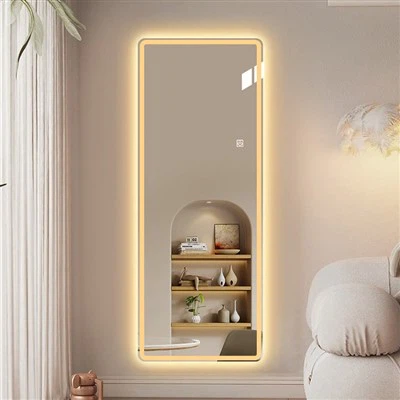
Back painted glass has become a staple material in modern interior design, valued for its seamless color finish, durability and easy maintenance. But many project buyers and designers still have questions about exactly how back painted glass works, how it is produced, and what makes it perform so well in kitchens, bathrooms and commercial spaces. This guide explains the working mechanism of back painted glass, walks through the production process, explores the specific features of grey back painted glass, outlines key applications, and provides practical guidance on custom options, pricing and sourcing for commercial projects.
How Does Back Painted Glass Work?
The Basic Mechanism
Back painted glass works by applying a layer of specially formulated paint to the back surface of a glass panel, then curing it under heat so the paint bonds permanently to the glass. The painted side faces the wall or substrate, while the smooth, clear front surface faces the viewer. This arrangement creates two key effects: first, the glass front provides a glossy, reflective, scratch-resistant surface that is easy to clean; second, the paint layer behind the glass delivers a solid, uniform color that appears to glow through the glass, creating a rich, depth-filled appearance that flat paint on a wall cannot match.
Because the paint is protected behind the glass, it is never exposed to direct contact, moisture, cleaning chemicals or abrasion, which is why back painted glass maintains its color and finish for decades without fading, chipping or peeling. This is the fundamental principle that makes back painted glass such a durable and low-maintenance material.
Production Process Step by Step
The production of back painted glass follows a precise sequence to ensure quality and durability. First, clear or low-iron glass is cut to the required size, and edges are polished or beveled as specified. The glass is then thoroughly washed and dried to remove any dust, grease or residues that could interfere with paint adhesion. Next, a primer is applied to the back surface to enhance bonding, followed by one or more layers of colored paint applied via automated spray or curtain coating equipment to ensure even coverage.
After painting, the glass passes through a drying oven to evaporate solvents. If tempering is required, the painted panel enters a tempering furnace where temperatures of approximately 650–700°C fully cure the paint and simultaneously strengthen the glass. The final result is a single, solid panel with a glossy front surface and an opaque, permanently bonded color layer on the back.
Related Post: "What Is Back Painted Glass? Production, Applications And Sourcing Guide"
Grey Back Painted Glass: Features and Performance
Grey back painted glass is one of the most popular color choices after white, prized for its sophisticated, neutral tone that works equally well in modern and traditional interiors. Grey adds depth and warmth without overwhelming a space, making it a versatile option for both residential and commercial projects.
Key performance features of grey back painted glass include:
Consistent opaque color that hides wall imperfections and substrates behind it
Glossy reflective surface that amplifies light and creates a premium feel
Non-porous and hygienic, resistant to mold, bacteria and stain buildup
Heat and moisture resistant, suitable for kitchens and wet areas
Easy to clean with a simple wipe using mild detergent
UV-stable paint that resists fading over long-term use
Grey Back Painted Glass Specifications
|
Item |
Grey Back Painted Glass |
|
Thickness |
3mm 4mm 5mm 6mm, etc. |
|
Size |
1830*2440mm, 3300*2140mm, etc. |
|
Color |
Black, white, red, etc. |

Key Applications
Kitchen Splashbacks
The kitchen splashback is the most common application for back painted glass. A back painted glass splashback provides a seamless, grout-free surface that protects walls from cooking oil, steam and stains, and simply wipes clean. Grey back painted glass splashbacks pair beautifully with white, wood-tone or dark cabinetry, and work well with both stainless steel and black appliances. For bulk projects, working with experienced back painted glass splashback suppliers ensures consistent color across multiple panels and reliable lead times.
Bathroom Walls and Shower Areas
In back painted glass bathroom applications, the material is used for full wall cladding, shower surrounds, vanity backsplashes and bathtub panels. Its non-porous surface does not absorb moisture or support mold growth, making it far more hygienic than tiled walls with grout lines. Grey back painted glass creates a calm, spa-like atmosphere in bathrooms and is particularly popular in hotels, spas and high-end residential projects. All bathroom installations should use fully tempered glass for safety and durability.
Commercial Walls and Partitions
A back painted glass wall adds a sleek, modern finish to offices, retail stores, restaurants and hotel lobbies. Grey back painted glass is frequently used for reception feature walls, office partitions, corridor cladding and display backdrops. It can be mounted using standoff fixings, adhesive systems or channel profiles, and can be combined with cutouts for power outlets and switches. In commercial settings, grey provides a professional, neutral backdrop that complements brand signage and furniture.
Related Post: "What Are The Different Types Of Colored Glass?Back Painted Glass Types And Sourcing Guide"
Discuss your project requirements with our team
Custom Options and Pricing
Custom back painted glass allows buyers to specify not only color but also thickness, size, edge profile, tempering, hole drilling and cutouts. While grey is a standard color, many suppliers offer custom grey shades and can match RAL, Pantone or physical sample references for projects requiring a precise tone. Back painted glass can also be combined with silk-screen printing to add logos, patterns or gradients on the front surface, expanding design possibilities.
When evaluating back painted glass price, several factors influence the final cost. Thicker glass and larger panels cost more, as do custom color matching, tempering, edge polishing and custom cutouts. Low-iron ultra-clear glass substrate costs more than standard clear glass but produces a truer grey without the subtle green tint found in ordinary clear glass. Order volume also affects pricing, with bulk orders typically achieving lower per-unit rates. Buyers should compare quotes based on complete specifications rather than unit price alone, as substrate quality, paint grade and tempering certification all affect long-term performance.

Sourcing Guide for Commercial Buyers
Selecting the right supplier is critical to ensuring consistent color, quality and delivery. For projects involving grey back painted glass, it is advisable to work with established grey back painted glass manufacturers that operate automated production lines and maintain strict quality control. Reliable back painted glass suppliers should be able to provide physical color samples, project references, safety certifications such as EN 12150 and ANSI Z97.1, and clear lead-time commitments.
When evaluating suppliers, consider their ability to match color consistently across large batches, their packaging standards (safety plywood crates are essential for international shipping), and their flexibility with custom sizes and fabrication. Requesting a signed approval sample before full production is standard practice and helps avoid costly mismatches. For repeat or ongoing projects, establishing a long-term partnership with a dependable manufacturer can secure priority scheduling and more stable pricing.
Related Post: "Painted Glass Introduction"
Luck Glass: Professional Back Painted Glass Manufacturer
Luck Glass is a professional manufacturer specializing in back painted glass, silk-screen printed glass, frosted glass and custom decorative glass products, serving global contractors, developers, building material traders and brand clients. The company operates fully automated back painting production lines with an experienced technical team ensuring consistent quality and reliable delivery.
Luck Glass offers Grey Back Painted Glass alongside white, black, blue, green, brown and custom color matched options, in both tempered and non-tempered variants. All products meet EN 12150 and ANSI Z97.1 standards, with uniform paint thickness, stable color performance and long service life. Low-iron ultra-clear glass is available for grey and light colors to ensure a pure, true tone without green cast. The company supports full customization including size, thickness, color, tempering, edge finishing, hole drilling and cutouts, with maximum panel sizes up to 3660mm x 2440mm and delivery within 30 working days. Whether the project requires kitchen splashbacks, bathroom walls, commercial partitions or custom feature walls, Luck Glass provides efficient, reliable solutions tailored to each project.
Related Post: "Top 10 Glass Manufacturers & Suppliers in China: An In-Depth B2B Guide"
Frequently Asked Questions
Q: Does back painted glass need to be tempered?
A: Tempering is strongly recommended for all kitchen, bathroom and commercial applications, as it makes the glass four to five times stronger and ensures it shatters into small, blunt fragments if broken. Tempering also fully cures the paint, improving its durability and adhesion.
Q: Can back painted glass be used behind a gas stove?
A: Yes, fully tempered back painted glass is suitable for use behind gas and electric stoves. The paint is on the back surface facing the wall, so it is not directly exposed to flame. A small gap between the glass and the heat source is recommended for ventilation.
Q: How do you clean back painted glass?
A: Wipe the surface with a soft cloth and mild, non-abrasive glass cleaner or soapy water. Avoid scouring pads, harsh chemicals and sharp scrapers, as these can scratch the glass surface. The non-porous finish requires no sealing or special maintenance.
Q: Can back painted glass be installed outdoors?
A: Back painted glass is primarily designed for interior use. For exterior applications, ceramic frit silk-screen printed glass or colored laminated glass is generally recommended, as these offer superior UV and weather resistance. Always confirm suitability with the manufacturer for exterior projects.
Final Thoughts
Back painted glass works by bonding a durable color layer to the back of a glass panel, creating a glossy, seamless, easy-to-clean surface that outperforms traditional wall materials in kitchens, bathrooms and commercial spaces. Grey back painted glass, with its sophisticated neutral tone, is particularly versatile, complementing a wide range of design styles and applications from splashbacks to feature walls.
Understanding how back painted glass is produced and what drives its performance helps buyers specify the right product and avoid common pitfalls. By partnering with a reliable manufacturer such as Luck Glass, project buyers can ensure consistent color quality, competitive pricing, custom fabrication capabilities and dependable delivery. With proper specification and installation, back painted glass delivers decades of beauty and low-maintenance performance in any interior environment.
Related Post: "What Is Back Painted Glass"
Need a quote for your project? Contact our team →
Request a custom quote for your glass project