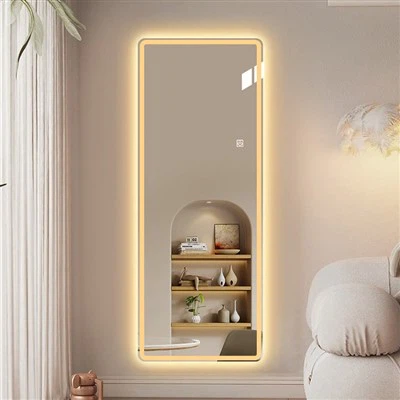
Frosted glass is one of the most versatile decorative glass materials used in modern architecture and interior design, prized for its unique balance of soft natural light transmission and reliable privacy protection. Its smooth, milky matte finish adds understated elegance to any space while eliminating clear visibility, making it a go-to choice for office partitions, bathroom shower enclosures, hotel bedroom windows, retail displays and public facility renovations. For wholesale distributors, project contractors and interior design firms, understanding how frosted glass is manufactured is critical for selecting the right product type, matching project quality requirements and controlling procurement costs.
There are two mainstream industrial techniques used to produce frosted glass's signature translucent surface: acid etching and sandblasting. One relies on chemical reaction to permanently alter the glass surface, while the other uses physical abrasion to create a matte texture. Each method follows a distinct production workflow, delivers different performance characteristics, and is best suited for specific project scenarios. This guide breaks down both processes in detail, compares their respective advantages, and provides targeted sourcing suggestions for commercial buyers.
Acid Etching: Chemical Process for Permanent, High-Quality Frosted Finish
Acid etching is the premium frosted glass production technique, known for delivering an exceptionally uniform, smooth and long-lasting matte surface. This method uses hydrofluoric acid to chemically alter the top layer of the glass, creating a permanent frosted effect that will not fade or wear off over time.
Production Process
The acid etching process follows strict, controlled steps to ensure consistent quality and safety:
First, raw float glass panels are thoroughly cleaned to remove dust, grease and surface impurities, ensuring even contact between the acid and the glass surface.
For custom patterned frosted glass, a precision protective mask is applied to the glass surface to cover areas that will remain clear.
The glass is then exposed to hydrofluoric acid solution via spraying or immersion. The acid reacts with the silica in the glass surface, gently corroding the top layer to form a uniform matte texture. Technicians control the reaction time and acid concentration to adjust the depth of the etch and the level of translucency.
After the etching reaction is complete, the glass is rinsed multiple times with neutralizing agents and clean water to remove all residual acid, stopping the chemical reaction completely.
Finally, the protective mask is removed, and the finished panel goes through visual and performance inspection before packaging.
Key Advantages
Acid-etched frosted glass has a finer, smoother texture compared to sandblasted products. Its surface is less likely to trap dust, fingerprints or water stains, making it easier to clean and maintain in humid environments like bathrooms and kitchens. The chemical reaction creates a permanently bonded frosted layer that will not peel or degrade, even with long-term outdoor use. It also supports highly precise custom pattern and logo etching, making it ideal for branded commercial spaces.
Sandblasting: Physical Abrasion Process for Cost-Effective Bulk Production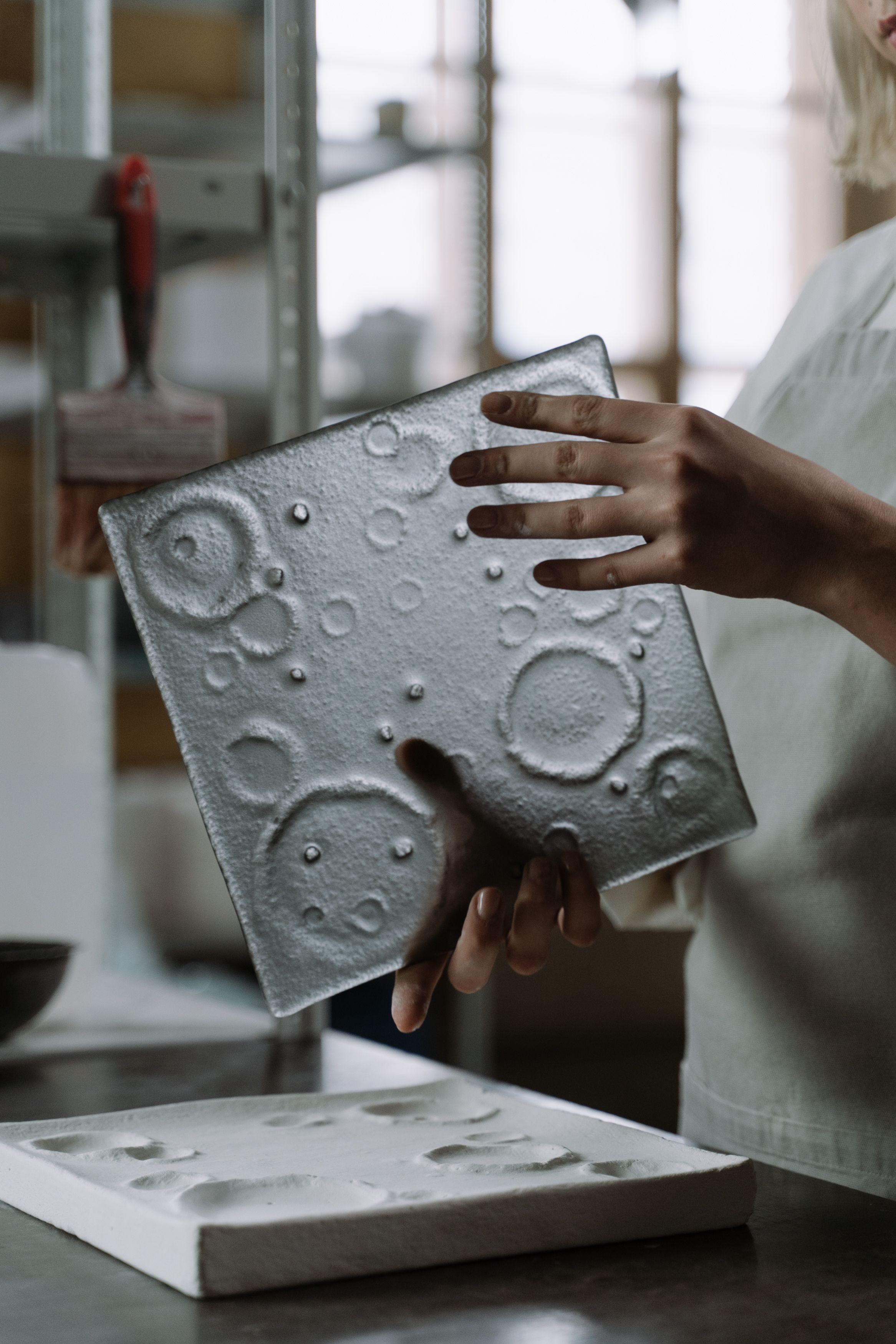
Sandblasting is a physical production technique that creates a frosted surface through mechanical abrasion. It is the more cost-efficient option for large-volume orders and standard-sized frosted glass panels, and it offers flexible control over translucency levels.
Production Process
The sandblasting process relies on high-velocity abrasive impact to modify the glass surface:
First, glass panels are cleaned and prepared. For custom designs, a durable stencil or protective film is applied to shield areas that are meant to stay clear.
The glass is placed in a controlled blasting chamber. A high-pressure air system propels fine abrasive materials (typically quartz sand or aluminum oxide particles) at the glass surface at high speed.
The impact of the abrasive particles creates tiny, uniform indentations on the glass surface, which scatter incoming light to produce the frosted, translucent effect. Operators adjust the air pressure, particle size and nozzle speed to control the roughness and light transmittance of the finished surface.
After blasting, residual abrasive dust is cleaned off the glass surface, the protective stencil is removed, and the panel undergoes quality inspection for uniform texture and edge integrity.
Key Advantages
The biggest advantage of sandblasted frosted glass is its cost efficiency and fast production turnaround, especially for large flat glass panels. The process allows easy adjustment of frosted density and translucency to match different privacy needs. It is suitable for both full-panel frosting and partial decorative patterns. Compared to acid etching, it has lower production setup costs, making it a budget-friendly choice for large-scale commercial projects with standard specifications.
How to Choose Between the Two Techniques
For commercial buyers, the choice between acid-etched and sandblasted frosted glass depends on project priorities:
Choose acid-etched frosted glass for high-end projects such as luxury hotels, boutique retail stores and branded office spaces, where surface texture, long-term durability and custom design precision are top priorities.
Choose sandblasted frosted glass for large-scale standard projects such as office building partitions, public facility renovations and budget apartment fit-outs, where cost efficiency and fast bulk delivery are the main requirements.
Why Source Frosted Glass from Luck Glass
As a professional decorative glass manufacturer with years of industry experience, Luck Glass operates fully equipped production lines for both acid etching and sandblasting processes, enabling us to provide tailored frosted glass solutions for every type of commercial project. We support full OEM customization of panel size, thickness, frosted texture and custom pattern design, with the ability to match tempered glass, laminated glass and edge finishing processes to meet international safety standards.
Our acid-etched frosted glass undergoes strict neutralization and cleaning procedures to ensure surface smoothness and long-term weather resistance, while our sandblasted product line delivers consistent quality at competitive bulk pricing. With flexible minimum order quantities, rigorous full-process quality control and reliable delivery lead times, Luck Glass serves as a one-stop frosted glass supplier for interior contractors, hotel developers and wholesale distributors worldwide. Whether you need premium custom etched glass for a high-end design project or cost-effective bulk frosted panels for a large construction job, our team can provide a solution aligned with your specifications and budget.
Related post: (Where Can You Use Frosted Glass?)
Frequently Asked Questions
Q: Is frosted glass safe for commercial bathroom and office use?
A: Yes. When produced with tempered glass substrate, frosted glass meets commercial safety standards. If the glass breaks, it shatters into small, blunt particles that minimize injury risk. Luck Glass offers tempered frosted glass options for all commercial application scenarios.
Q: Can frosted glass be custom printed with logos or decorative patterns?
A: Yes, both acid etching and sandblasting support custom pattern design. Acid etching offers higher precision for fine details and brand logos, while sandblasting is more cost-effective for large simple patterns.
Q: Does frosted glass reduce natural light significantly?
A: No. Frosted glass only scatters light rather than blocking it. It typically allows 70-90% of natural light to pass through, depending on the frosted density, while blocking clear visibility from outside.
Conclusion
Both acid etching and sandblasting are mature, reliable techniques for producing frosted glass, each with its own set of strengths and ideal use cases. Understanding the differences between the two processes helps commercial buyers make more informed sourcing decisions that balance quality, functionality and cost. Partnering with an experienced frosted glass manufacturer further ensures consistent product quality, on-time delivery and flexible customization support for projects of all scales.