Laminated glass is widely recognized as one of the safest glazing materials available, used in everything from car windshields and building facades to shower doors and interior partitions. But a common question among contractors, project managers and designers is: how strong is laminated glass exactly? Understanding the strength, impact resistance and breakage behavior of laminated glass is essential for specifying the right product for each application. This guide explores the strength mechanism of laminated glass, explains how laminated glass fabric enhances both performance and design, discusses factors that affect strength, reviews strength requirements by application, and provides practical sourcing guidance for commercial projects.
How Strong is Laminated Glass?
The Basic Strength Mechanism
Laminated glass is constructed by bonding two or more glass panes together with an interlayer, typically made of PVB (polyvinyl butyral) or EVA (ethylene-vinyl acetate), under heat and pressure. This interlayer is the key to laminated glass's strength and safety performance. While the glass itself may crack under sufficient force, the interlayer holds the broken fragments in place, preventing them from shattering and scattering.
The strength of laminated glass depends on several factors including glass thickness, whether the glass is tempered, interlayer type and thickness, and panel size. A standard 6.38mm laminated glass (3mm glass + 0.38mm PVB + 3mm glass) can withstand significant impact without breaking through, while thicker tempered laminated panels are used in high-risk applications such as balustrades and overhead glazing.
Compared with ordinary annealed glass, which breaks into sharp, dangerous shards under relatively low force, laminated glass is significantly more resistant to impact and far safer when broken. As established laminated glass manufacturers, Luck Glass produces laminated glass using high-quality PVB and EVA interlayers that meet international safety standards including EN 12150 and ANSI Z97.1.
Impact Resistance and Breakage Behavior
When laminated glass is subjected to impact, several outcomes are possible depending on the force and angle:
Minor impact: The glass may not crack at all, as the laminated structure provides greater impact resistance than single-pane glass.
Moderate impact: One or both glass layers may crack, but the interlayer holds everything together, creating a "spider web" crack pattern without falling apart.
Severe impact: The glass may crack extensively, but the interlayer maintains the panel's structural integrity, preventing fragments from falling and creating a temporary barrier.
Penetration: Only extreme force, such as a deliberate attack with a heavy object, can penetrate laminated glass, and even then the interlayer slows the process significantly.
This hold-together behavior is what makes laminated glass the preferred choice for safety-critical applications. It is important to note that "strong" in the context of laminated glass refers not only to resistance to breaking, but also to the ability to remain intact and safe after breakage.
Related Post: "An In-depth Look At Fabric Glass"
Laminated Glass Fabric: Enhanced Strength and Design
Laminated glass fabric takes the safety and aesthetic benefits of standard laminated glass a step further by embedding a layer of decorative fabric, mesh or textile between the glass panes. This fabric layer not only adds unique visual texture, color and privacy control, but also contributes additional structural integrity and impact resistance.
The fabric interlayer acts as a reinforcing element within the laminate, helping to distribute impact forces more evenly across the panel and reducing the likelihood of catastrophic breakage. At the same time, the fabric provides design flexibility, allowing designers to choose from a wide range of colors, weaves and patterns to match any interior scheme.
Standard Laminated Glass vs. Fabric Laminated Glass
| Aspect | Standard Laminated Glass | Laminated Glass Fabric |
|---|---|---|
| Structure | Glass + PVB/EVA + Glass | Glass + PVB/EVA + Fabric + Glass |
| Impact Resistance | Good | Enhanced due to fabric reinforcement |
| Privacy Control | Clear or tinted only | Adjustable via fabric density and color |
| Aesthetic Options | Limited to clear, tinted or frosted | Unlimited fabric colors, patterns and textures |
| Light Transmission | High | Adjustable from semi-transparent to opaque |
| Sound Insulation | Good | Improved due to additional fabric layer |
| Best For | Safety glazing, facades, shower doors | Decorative partitions, doors, feature walls |
| Price | Lower | Slightly higher due to fabric material |
Factors That Affect Laminated Glass Strength
Several factors influence how strong laminated glass is and how well it holds together when broken:
Glass thickness: Thicker glass panes provide greater impact resistance. Common thicknesses range from 3mm to 12mm per pane, with total laminated thickness from 6.38mm to 25mm or more.
Tempering: Tempered laminated glass (where the glass panes are tempered before lamination) is four to five times stronger than annealed laminated glass and is recommended for high-risk applications.
Interlayer type and thickness: PVB and EVA interlayers are available in different thicknesses (typically 0.38mm, 0.76mm, 1.52mm). Thicker interlayers provide better adhesion and impact absorption. SGP (SentryGlas) interlayer offers even greater strength for structural applications.
Fabric interlayer: As noted, a fabric interlayer can enhance impact resistance by distributing forces more evenly.
Edge quality: Poorly finished edges can create stress points that make the glass more prone to cracking. Proper edge polishing and handling are essential.
Installation quality: Improper installation, such as using incorrect hardware or not allowing for thermal expansion, can create stress that leads to cracking over time.
Panel size: Larger panels are subject to greater wind and thermal stress, and may require thicker glass or additional support.
For custom projects, it is important to specify the appropriate glass thickness, interlayer type and tempering based on the application's safety requirements.
Related Post: "What Is Fabric Glass"
Strength Requirements by Application
Shower Doors and Wet Areas
For shower doors, laminated glass provides critical safety protection in a wet environment where slipping and falling risks are elevated. A minimum of 6.38mm laminated glass is typically recommended, with 8mm or 10mm tempered laminated glass used for larger panels or frameless designs. A reliable laminated shower glass supplier can advise on the appropriate thickness and hardware for each project, ensuring compliance with local building codes.
Glass Walls and Partitions
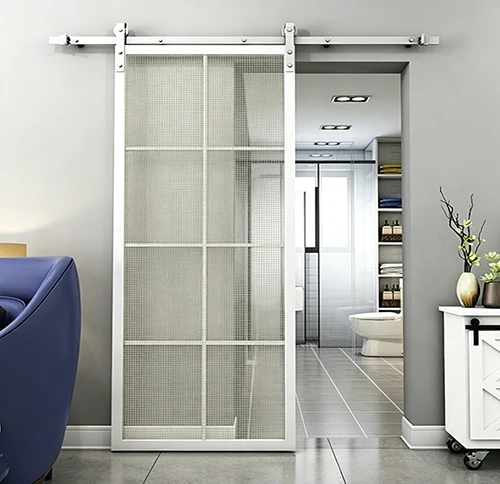
Interior glass walls and partitions generally use 6mm to 10mm laminated glass, depending on panel size and height. For full-height partitions extending from floor to ceiling, thicker glass (10mm to 12mm) or additional structural support may be required. A knowledgeable glass wall supplier can help specify the right product, considering factors such as wind load, impact resistance and acoustic performance.
Balustrades and Overhead Glazing
For balustrades, railings and overhead glazing, building codes typically require tempered laminated glass with a minimum thickness of 10mm to 12mm total. These applications demand the highest level of safety, as broken glass could fall on people below. Only experienced laminated glass manufacturers should be considered for these critical applications.
Related Post: "Does Laminated Glass Crack Easily? Safety Performance, Strength And Sourcing Guide"
Sourcing Strong, Reliable Laminated Glass
When sourcing laminated glass for commercial projects, strength and consistency are non-negotiable. Here are key considerations for buyers:
Manufacturer capability: Work with established laminated glass manufacturers that operate autoclave or vacuum lamination equipment and have a proven track record of producing high-quality, code-compliant products.
Certifications: Ensure products are tested and certified to international safety standards such as EN 12150, ANSI Z97.1 or SGCC.
Quality control: Ask about the manufacturer's quality control processes, including interlayer adhesion testing, bubble inspection and edge quality checks.
Bulk ordering: For large projects, fabric sandwich glass bulk ordering directly from the manufacturer achieves the best pricing and ensures consistent quality across the entire order.
Product range: A versatile decorative glass company can offer not only laminated glass fabric but also complementary products such as back painted glass, frosted glass and lacquered glass, simplifying sourcing for multi-product projects.
Pricing transparency: While lacquered glass price and laminated glass pricing vary by specification, a reputable supplier will provide clear, itemized quotes with no hidden costs.
Always request physical samples and project references before committing to a large order, especially for laminated glass fabric products where color and texture accuracy are critical.
Luck Glass: Professional Laminated Glass Fabric Manufacturer
Luck Glass is a professional manufacturer specializing in laminated glass fabric, fabric sandwich glass, back painted glass, lacquered glass, silk-screen printed glass, frosted glass and custom decorative glass products, serving global contractors, developers, building material traders and brand clients. The company operates advanced autoclave and vacuum lamination production lines with an experienced technical team ensuring consistent quality and reliable delivery.
Luck Glass offers laminated glass fabric in a wide range of fabric options including linen, silk, polyester, metal mesh and custom-printed textiles, with the ability to work with client-supplied fabrics for bespoke projects. All laminated glass products meet EN 12150 and ANSI Z97.1 safety standards, with uniform bonding, no bubbles, stable fabric color and long service life. The company supports full customization including size, thickness, glass type, fabric selection, interlayer type, edge finishing, hole drilling and cutouts, with maximum panel sizes up to 3660mm x 2440mm and delivery within 30 working days.
Whether the project requires laminated glass fabric doors for a hotel, glass walls for an office, shower doors for a residential development, or bulk supply for a large-scale commercial fit-out, Luck Glass provides efficient, reliable solutions tailored to each project's specifications and budget.
Related Post: "When To Use Laminated Glass? Application Scenarios, Benefits And Sourcing Guide"
Frequently Asked Questions
Q: How strong is laminated glass compared to tempered glass?
A: Tempered glass is generally stronger in terms of resistance to breaking, as it is four to five times stronger than annealed glass. However, when tempered glass breaks, it shatters into small blunt fragments. Laminated glass may crack more easily under sharp impact, but it holds together when broken, preventing fragments from scattering. For many applications, the two are combined as tempered laminated glass for maximum strength and safety.
Q: Can laminated glass stop a bullet?
A: Standard laminated glass is not bulletproof. Bullet-resistant glass uses multiple layers of laminated glass and polycarbonate, often 20mm to 50mm thick, to absorb and dissipate the energy of a bullet. Standard laminated glass used in architecture is designed for safety and security against forced entry, not ballistic protection.
Q: Does laminated glass fabric affect strength?
A: Yes, the fabric interlayer can enhance impact resistance by distributing forces more evenly across the panel. However, the primary strength comes from the glass thickness and tempering, not the fabric itself. The fabric's main contribution is aesthetic and privacy control, with a secondary benefit of added reinforcement.
Q: How long does laminated glass last?
A: Properly manufactured and installed laminated glass can last 20-30 years or more. The interlayer is protected from UV exposure and moisture by the glass panes, ensuring long-term adhesion and clarity. Edge sealing and proper installation are important factors in maximizing lifespan.
Q: Can laminated glass be used outdoors?
A: Yes, laminated glass is suitable for outdoor applications such as facades, balustrades and canopies. However, it is important to specify the appropriate glass type, interlayer and edge sealant for exterior use, as prolonged UV exposure and temperature fluctuations can affect performance over time.
Final Thoughts
So, how strong is laminated glass? While it can crack under sufficient force, laminated glass is engineered to hold together when broken, making it one of the safest and most reliable glazing materials available. Its strength comes from the combination of glass panes and a tough interlayer that bonds fragments in place, dramatically reducing the risk of injury and maintaining the panel's integrity even after impact. Laminated glass fabric further enhances this performance while adding unique aesthetic possibilities through color, texture and privacy control.
From shower doors and interior partitions to balustrades, skylights and feature walls, laminated glass delivers both strength and design versatility. By understanding the strength mechanism, performance factors and application requirements outlined in this guide, and by partnering with a reliable manufacturer such as Luck Glass, project buyers can specify and source laminated glass with confidence, ensuring strong, safe and beautiful installations that stand the test of time.
Related Post: "Advantages And Disadvantages Of Fabric Glass"
Discuss your project requirements with our team