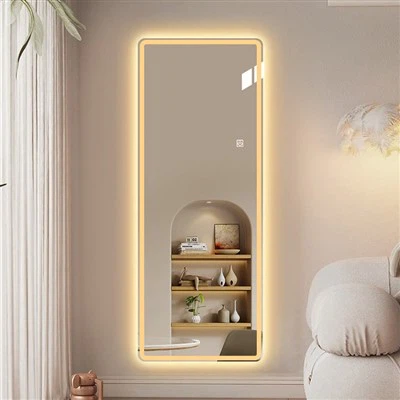
Glass has always been valued in architecture for its ability to create bright, open, and visually connected spaces. However, as modern buildings increasingly use large glass surfaces, privacy has become an important design consideration. Many architects, interior designers, and project developers are looking for glass solutions that allow natural light and outside views while reducing unwanted visibility from the opposite side. This has led to growing interest in One Way Green Glass, a privacy-focused glass solution used in commercial buildings, offices, residential projects, and interior applications. While many people wonder whether one-way glass is a real product or simply a concept from movies and security environments, the technology behind it is widely used in practical architectural applications when the lighting conditions and installation requirements are properly considered.
Is One-Way Glass a Real Thing?
Yes, one-way glass is a real architectural glass solution, but its working principle is often misunderstood. Unlike completely opaque materials, one-way glass does not permanently block visibility from one side. Instead, it uses the difference in light intensity between two sides of the glass to create a privacy effect.
During the daytime, when the outside environment is brighter than the interior, the brighter side reflects more light, making the glass appear similar to a mirror. People inside the building can usually see outward, while people outside have limited visibility into the space. This is why one-way glass is often associated with privacy windows, observation rooms, offices, and commercial spaces.
The effectiveness of this effect depends on several environmental factors, including lighting direction, indoor brightness, viewing angle, and glass specification. For example, a space with strong indoor lighting at night may reduce the privacy effect because the interior becomes the brighter side.
For professional architectural projects, one-way glass should be considered as part of a complete design solution rather than simply a replacement for ordinary glass. Architects and contractors usually evaluate the building orientation, lighting conditions, and intended use before selecting the appropriate product.
How Does One Way Vision Glass Work?
one way vision glass works by controlling the balance between reflection and transparency. The surface treatment or coating allows the glass to reflect a greater amount of light from one side while maintaining visibility from the other side under suitable conditions.
This technology is commonly used in areas where designers need both openness and privacy. Unlike traditional privacy solutions such as curtains or solid walls, one-way glass maintains a modern appearance and allows daylight to pass through.
For example, in an office environment, a meeting room with a one way glass wall can remain visually connected to the surrounding workspace while reducing direct views into private discussions. This creates a more open atmosphere without sacrificing confidentiality.
In commercial buildings, one-way glass can also contribute to a cleaner architectural appearance. Instead of adding additional barriers, designers can use glass itself as a functional element that manages visibility.
| Application | Design Purpose |
|---|---|
| Office meeting rooms | Maintain openness while improving privacy |
| Commercial façades | Reduce unwanted visibility while preserving daylight |
| Residential windows | Improve comfort in high-density areas |
| Interior partitions | Create flexible spaces with controlled visibility |
Related Post: "Is There Window Glass That You Can See Out But Not In?"
Where Are One Way Glass Walls Commonly Used?
A one way glass wall is increasingly used in modern commercial and interior design projects because it provides a balance between transparency and separation.
In office environments, glass walls are often preferred because they create brighter workplaces and encourage communication between different areas. However, fully transparent walls may not be suitable for conference rooms, executive offices, or areas requiring confidentiality. One-way glass provides an alternative by allowing designers to maintain an open visual concept while controlling privacy.
Retail and hospitality projects also benefit from this type of glass. Hotels, restaurants, and premium commercial spaces often use glass to create elegant interiors, but certain areas require controlled visibility for operational or aesthetic reasons.
Residential applications are another growing area. In urban environments, apartments and houses are often located close to neighboring buildings or public areas. One-way privacy solutions can help residents enjoy natural light and outside views while creating a greater sense of personal space.
The popularity of one-way glass reflects a broader trend in architecture: spaces are becoming more open, but privacy and comfort remain essential parts of good design.
Understanding One Way Glass Panels for Architectural Projects
one way glass panels are designed for projects where multiple glass sections need to provide a consistent visual effect. For large-scale applications, selecting the correct panel specification is especially important because differences in coating, thickness, or processing quality can affect the final appearance.
Commercial projects often require customized glass dimensions and professional processing. This is why working with experienced manufacturers and suppliers is important. A reliable supplier can help determine the suitable glass thickness, processing method, and installation requirements based on the project's needs.
For architects and contractors, the choice of glass should consider more than appearance. Factors such as safety requirements, building location, maintenance needs, and long-term performance also influence the final decision.
When purchasing from international suppliers, buyers often evaluate manufacturing experience, customization ability, and export capability. Experienced commercial glass suppliers can provide technical support throughout the project process, from product selection to final delivery.
Related Post: "Is One-way Glass See Through At Night? Privacy Explained"
Choosing the Right Supplier for One Way Green Glass
Selecting a suitable manufacturer is an important step for any project involving privacy glass. The quality of the final installation depends not only on the glass itself but also on production accuracy, processing capability, and supplier experience.
A professional glass panel supplier should be able to provide consistent product quality, customized dimensions, and technical information required for project planning. For commercial developments, suppliers with experience in architectural applications can better understand the challenges involved in large-scale glass installation.
Many international buyers also work with chinese glass manufacturers because China has developed strong capabilities in glass processing, customization, and global supply. However, buyers should evaluate manufacturers based on production capability, quality control, communication efficiency, and project experience rather than focusing only on product availability.
When selecting One Way Green Glass, project teams should consider:
| Selection Factor | Why It Matters |
|---|---|
| Glass specification | Determines suitability for different applications |
| Processing capability | Ensures accurate dimensions and installation compatibility |
| Manufacturing experience | Supports consistent quality for large projects |
| Technical support | Helps solve design and application questions |
A reliable manufacturer should work as a project partner rather than simply a product supplier.
Related Post: "Top 10 Glass Manufacturers And Suppliers In China: An In-depth B2B Guide"

Why Choose Luck Glass for One Way Green Glass Solutions?
For architectural and commercial projects, choosing the right glass manufacturer is an important part of ensuring both design performance and long-term reliability. Luck Glass provides customized glass solutions for different building applications, supporting architects, contractors, distributors, and project buyers with professional processing capabilities and project-oriented services.
For projects requiring One Way Green Glass, Luck Glass focuses on providing solutions that balance privacy, visual appearance, and practical application requirements. Different projects may require different specifications depending on the installation environment, glass size, processing requirements, and design objectives. By understanding these factors, a professional manufacturer can help customers select a suitable solution rather than simply supplying a standard product.
As a glass manufacturer serving international markets, Luck Glass supports customized production and project cooperation for applications such as architectural windows, interior partitions, and commercial spaces. Working directly with an experienced manufacturer allows project teams to communicate requirements more efficiently and achieve better consistency throughout the supply process.
For distributors and contractors, stable production capability and reliable communication are also essential. A dependable supplier helps reduce risks related to inconsistent quality, unsuitable specifications, or project delays. This is especially important for commercial projects where glass performance and appearance can directly influence the final building result.
Related Post: "Top 10 Glass Manufacturers In China 2026: A Comprehensive Guide For Overseas Buyers"
What Should Buyers Know Before Choosing One Way Glass?
Although one-way glass offers an attractive solution for privacy-focused designs, it is important to evaluate whether it matches the actual project environment. The expected privacy effect depends on lighting conditions, installation position, and how the space will be used.
For example, a glass wall installed in a brightly lit office may perform differently from a residential window facing a shaded outdoor area. Understanding these conditions before production can help avoid unrealistic expectations.
Project buyers should also confirm details such as glass dimensions, processing requirements, installation methods, and maintenance considerations. For large commercial projects, coordination between the architect, contractor, and supplier is often necessary to ensure the selected glass integrates properly with the overall design.
Some buyers may search for information such as one way mirror glass price when researching privacy glass options. However, the selection process should focus on product suitability, manufacturing quality, and application requirements rather than only one purchasing factor. A properly selected glass solution can provide better long-term value by reducing design compromises and improving the overall user experience.
Related Post: "Who Invented One-way Glass"
Frequently Asked Questions
Is one-way glass completely private?
No. One-way glass creates a privacy effect based on differences in lighting conditions between two sides of the glass. During the day, when the exterior is brighter, the privacy effect is usually stronger. At night or in situations where interior lighting is stronger, additional privacy solutions may be required.
Can one-way glass be used for office partitions?
Yes. One-way glass is often considered for office partitions, meeting rooms, and executive areas where designers want to maintain an open appearance while reducing direct visibility. A professional supplier can help determine whether the glass specification fits the intended application.
What is the difference between one-way glass and a regular mirror?
A regular mirror reflects light and does not allow clear visibility through the surface. One-way glass is designed to create a controlled balance between reflection and transparency, allowing visibility from one side under suitable lighting conditions.
How do I choose a reliable one-way glass supplier?
Buyers should evaluate the supplier's manufacturing experience, customization capability, quality control process, and ability to support architectural projects. Working with experienced manufacturers can help ensure better consistency and technical support.
Final Thoughts
So, is one-way glass a real thing? The answer is yes. One-way glass is a practical architectural solution that helps create spaces with better privacy control while maintaining the openness and brightness that glass provides.
One Way Green Glass is suitable for a variety of applications, including office environments, commercial buildings, interior partitions, and residential projects where visual control is important. However, achieving the expected performance depends on selecting the right specification, understanding the lighting conditions, and working with an experienced supplier.
For architects, contractors, and project buyers, the best glass solution is not always the one with the most features, but the one that matches the actual requirements of the space. By choosing a reliable manufacturer and considering the complete application environment, one-way glass can become an effective design element that combines privacy, functionality, and modern aesthetics.