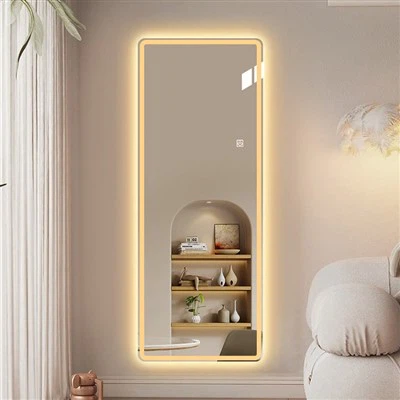
The difference between reflective glass and colored glass
Different definitions
Reflective glass, also known as coated glass. This kind of glass is made by coating the surface of the glass with one or more layers of metal or metal oxide coating. Gives it the ability to reflect light. This coating is generally performed by vacuum magnetron sputtering or chemical vapor deposition.
Colored glass has metal oxides or other chemicals added to it during the glass manufacturing process. This allows the glass to take on a variety of colors. These colors are brightly colored and have a conspicuous decorative effect. It can also effectively absorb solar radiation, thus achieving the purpose of shading and energy saving.

Principle and function
Reflective glass: Reflective glass itself or the light reflected by the surface coating. It's all about reflection. The main function is to reduce heat transfer and provide corresponding privacy protection.
Colored glass: Colored glass can absorb light through the color of the glass itself. Focus on absorption. The main function is to reduce glare and absorb some heat.
So both have the effect of reducing heat. But they work differently. In the functional effect, the emphasis is not the same.
Manufacturing process
Reflective glass: requires coating on its surface. This membrane is the key to the reflection effect. Therefore, the coating process requires high-tech equipment. Care should also be taken in the production process.
Colored glass: It can be directly colored by adding compound substances such as metal oxides in the glass manufacturing process. Compared to the manufacturing process of reflective glass, the process is a little simpler. You just need to control the amount of metal oxide.
Appearance effect
Reflective glass: Reflective glass looks like a mirror on the outside. Especially in the case of direct sunlight, the effect is more obvious. Generally, when we are close, we can't see the situation in the room. The appearance has a strong sense of modern technology. So some architectural sites love to use this kind of glass.
colored glass: colored glass can show uniform color. It has no specular reflection effect. A variety of colors to choose from. More suitable for decoration.
Optical characteristic
Reflective glass: mainly reflects light, can reduce the intensity of light through. It is more obvious in hot areas and can effectively reduce the indoor temperature.
Colored glass: mainly absorbs light, which can reduce the intensity of light through. The color display is prominent and reduces the glare effect. Improved visual comfort.

Application scenario
Reflective glass: Used in buildings and cars that require energy conservation and privacy protection. Such as the curtain wall of high-rise buildings, office Windows, etc., these areas have a greater need for privacy protection.
Colored glass: Colored glass is mostly used in the architectural environment for decoration and shading needs. People pay more attention to its beauty than its functionality. So in some residential window decoration and some furniture decoration, it is more widely used.
Sum up
Reflective glass and colored glass each have their own unique applications and advantages in modern architecture and decoration. Reflective glass, through its coating technology, mainly reflects light. It provides energy saving and privacy protection. Mainly suitable for a variety of high-rise buildings and modern design. Colored glass absorbs light by the color of its surface. Provides shading, glare reduction and decorative effects. Suitable for various decorative needs. Understanding the different characteristics and application scenarios of these two types of glass can help designers, engineers and consumers make more appropriate choices in different application environments.