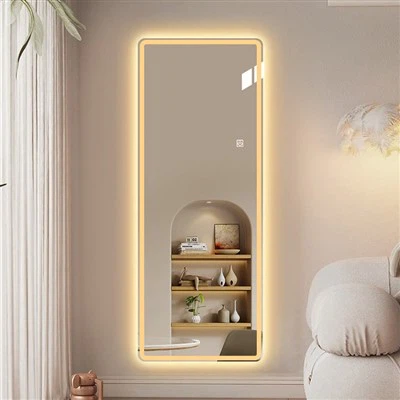
Frosted Glass
This type of glass is arguably the most widely used type of decorative glass. Frosted glass is made by taking a clear piece of glass and turning it opaque through the process of acid etching, sandblasting, or abrasives and engraving. As light passes through the glass, it is scattered and comes out translucent, obscuring object visibility while allowing light to enter.
Frosted glass is a vestige of Victorian style, as the process of acid etching or French embossing became a popular component. This process allows one to decorate windows and doors with delicate hues of white and other diffused shades.
The translucent nature of frosted glass also adds the obvious benefit of privacy. Because light is still permitted, however, the need for artificial light is reduced. There is also a wide variety of colors and designs available in frosted glass. Furthermore, frosted glass is easily cleaned and maintained with high resistance to scratching. Lastly, because the translucent surface of the glass reduces glare, frosted glass creates a pleasant and comforting environment.
Frosted glass works well in any space where you want to have privacy: bedrooms, showers, garage doors, an office space or home library are all spaces where you might want to maintain your privacy.
As the Victorians invented it, frosted decorative glass obviously will go well in a Victorian home. Frosted glass doesn't have to be overly ornate, however, and can fit in a more subdued Modern or Contemporary household.
Glue Chip Glass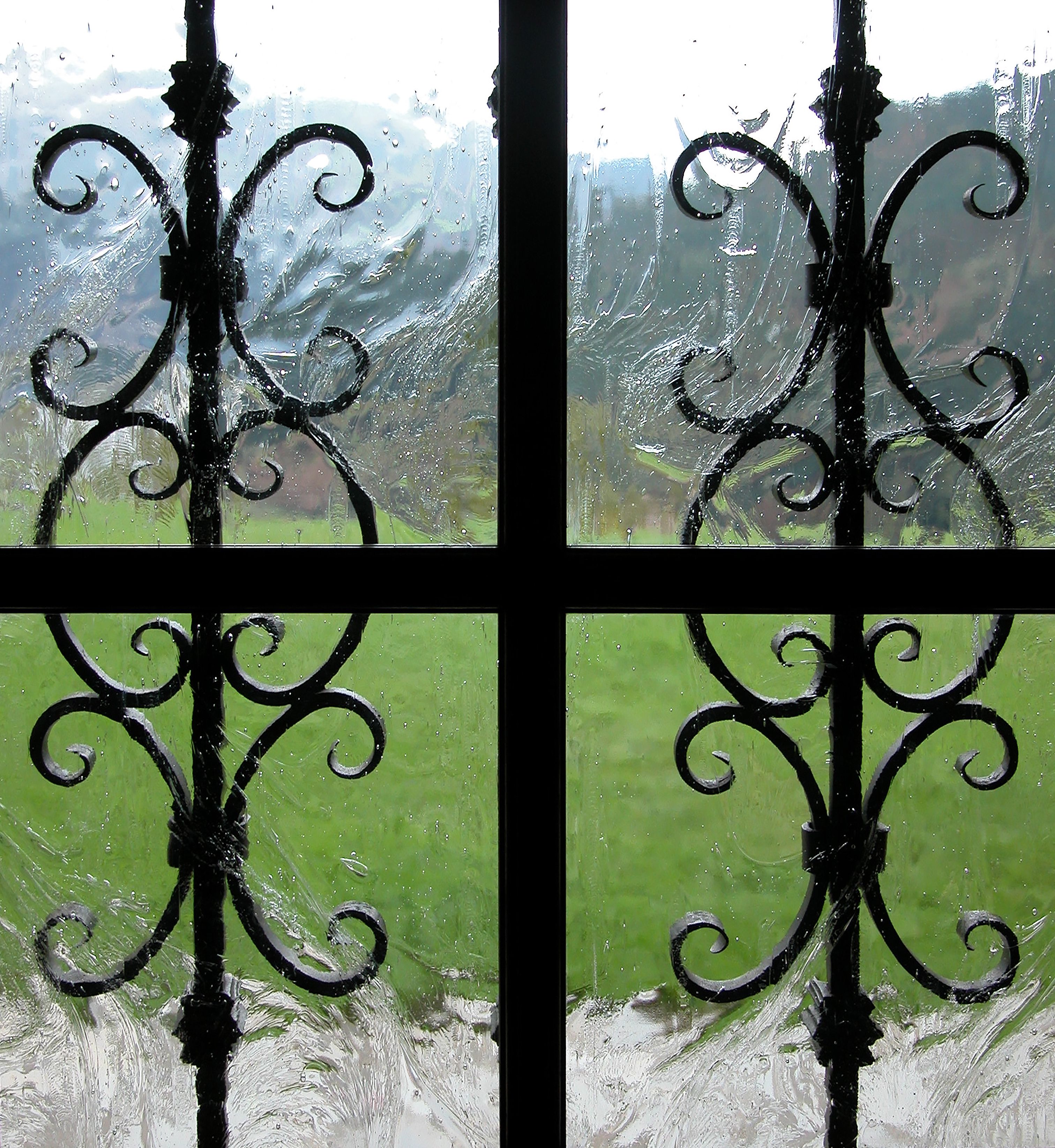
This popular decorative glass style appears like frost during the winter or a fern like pattern on a windowpane. Glue Chip is created by applying hot animal glue to a sandblasted surface of clear float glass. As the glass dries, the glue shrinks and cools, removing flakes of glass from its surface.
Glue Chip adds an elegance to a room, and its special elements provide that every design is different, creating a sense of uniqueness in each piece of glass in a window or door. You might find this decorative style works best in an ornate front door, in a dining room, or as the background in windows and cabinets. It is especially striking when paired with bevels.
The nature of glue chip is ornate, so this decorative glass style might assimilate better in a more intricate style such as Victorian or Gothic rather than a more subtle style such as Modern or Contemporary.
Rain Glass
The term rain glass conveys exactly what you'd think, glass that appears as if rain is perpetually trickling down it. Because it conveys a sense of rain it certainly adds a soothing, dreamlike quality to any space in a house.
Along with the calming aesthetic appeal of the design, though, rain glass has a definite practical benefit. Just as rain on a window seal obscures visibility, rain glass provides a bit of privacy from the outside world. This effect can be used inside and outside the home of course.
Rain glass is very dynamic in its use across the house, from the front door to the bedroom to the bathroom, even to your kitchen cabinets. The textured grain of the glass makes it a perfect complement to the natural, grounded hues and shapes of Modern and Contemporary styles.
Grooved Glass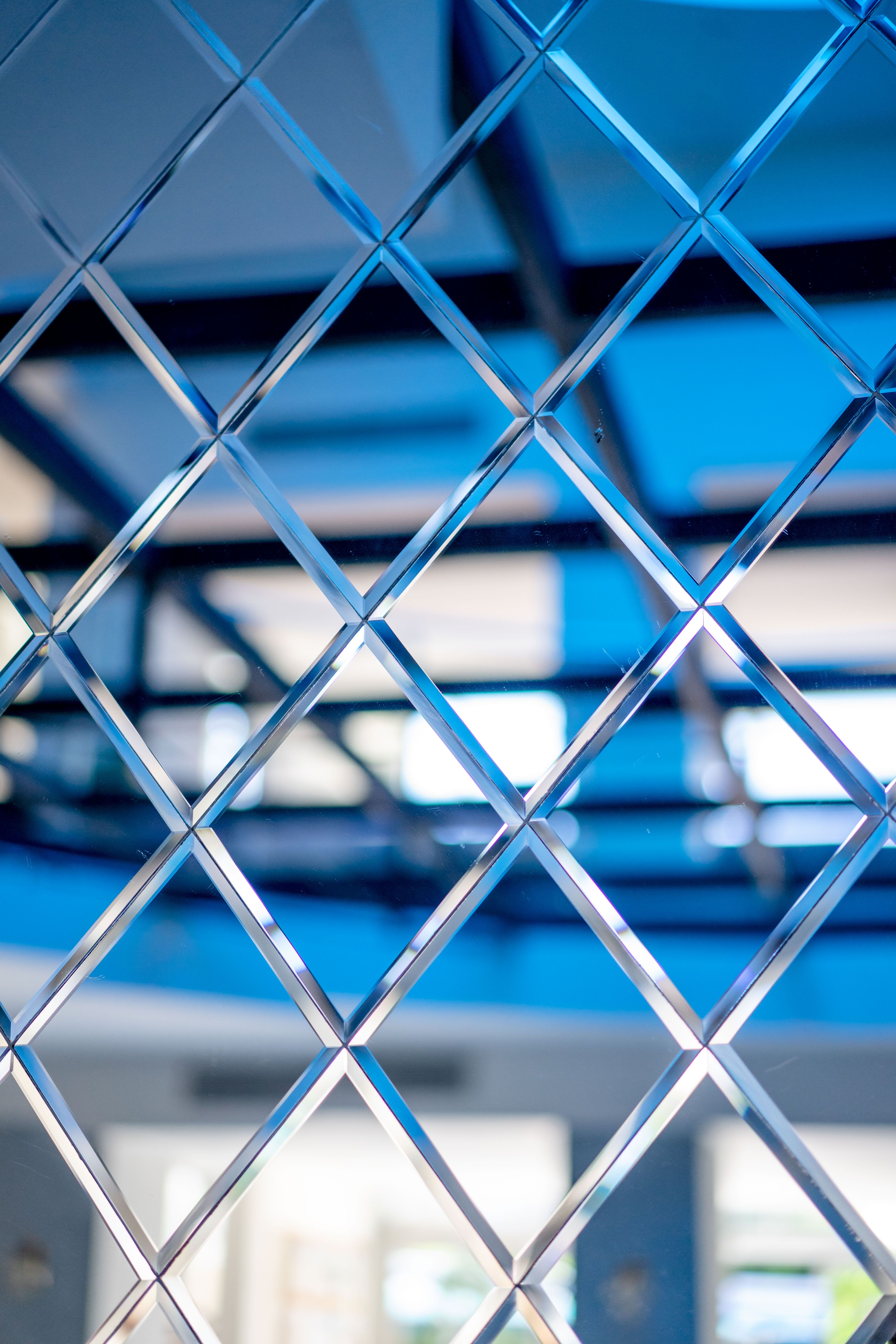
This decorative style provides a touch of elegance without impairing your view. This type of glass is made through a distinct engraving technique.
The symmetrical aesthetic of grooved windows lends itself perfectly to adding to the appeal of a view through a bay or bow style window, or add a distinguished, proper element to a front or patio door.
While refined, the symmetrical nature allows you to consider grooved glass not just for a more Victorian or classic style, but also it can appeal to the bold, straight lines associated with modern and contemporary homes.
Beveled Glass
Beveled glass is glass that has been beveled, or provided an angled edge resulting in a prism. This prism changes the way light refracts as it passes through the glass, creating a rainbow of colors and splitting light into interesting patterns. These results add to more dynamic lightning in a room.
Beveled glass is made by taking thick glass and cutting it at an angle along the peripheries. The original practical purpose was to prevent people from cutting their hands-on plate glass, but today the edges are polished to prevent such dangers. Therefore, beveled glass' main function is mostly aesthetic. However, the refraction of light provides for a bit of privacy, making it great for a front door where blinds or curtains aren't practical. Pretty much any space in the household where you want to create a sense of privacy you can utilize beveled glass. Similarly, if you just want to obscure a less than spectacular apartment view, you can obscure with a beveled window while still letting in light. Because of the glass' inherent thickness, it also serves well in a coffee table, providing support for heavier objects.