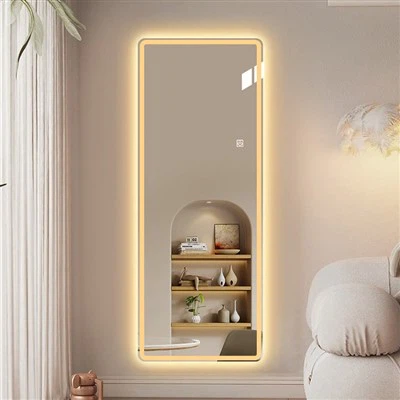
Anti-reflection glass is also called AR glass. It is a specially treated glass. Its main purpose is to reduce the reflection of light on the glass surface, thereby improving the transmittance of light. When we look at objects through AR glass, we can see details more clearly. So this kind of glass has a wide range of applications. For example, the display screen of electronic products, building Windows, camera lenses, picture frame glass, display cabinets and other areas that need to reduce reflection.

What is anti-reflective glass?
Anti-reflective glass is a type of glass treated with a special optical coating. The reflection of light is reduced by coating one or more layers of anti-reflection film on the glass surface. Like ordinary glass, you can't do it completely without reflecting light. It typically reflects about 4 to 8 percent of the light. Anti-reflective glass can reduce the reflectivity to 1% or less. The light transmittance of anti-reflective glass is as high as 98%, which is already very good. This low reflectivity makes the glass look almost transparent, providing an excellent visual experience.
Anti-reflective glass is used in many fields such as optical electronics, solar panels, TV screens, picture frame glass and control panels in automobiles. So it not only reduces the visual disturbance caused by reflexes. It also improves the efficiency and performance of the equipment or structure.
The working principle of anti-reflective glass
The core working principle of anti-reflection glass is based on the interference phenomenon of light. Light is a wave that has a wavelength and an amplitude. When light hits the glass surface, some of the light is reflected and some of the light passes through the glass. However, it is necessary to treat the glass surface, otherwise it will interfere with the reflection of light. So that it will form a reflective phenomenon, reducing the transparency of the glass.
To reduce this reflex phenomenon. Anti-reflective glass appears. Anti-reflective glass is coated with one or more anti-reflective coatings on its surface. Antireflective coatings are usually made of materials with a low refractive index. This coating allows the light entering the glass to cancel out the light reflected. By precisely controlling the thickness and material of the coating, manufacturers are able to minimize reflections. This increases the transmittance and allows us to see things more clearly.
The advantages of anti-reflective glass
Anti-reflection glass has been widely used in various fields because of its unique optical properties. Here are the main advantages of anti-reflective glass.
Improve light transmittance
The main advantage of anti-reflective glass is that it can greatly improve the transmittance of light. The light transmittance of ordinary glass is usually about 90%. When we look at objects through ordinary glass, there is a high probability that we will see our own reflection. The anti-reflective glass can increase the transmittance to 98% or even higher. This characteristic is particularly important in display screens, solar panels and optical instruments. Because it can maximize the use of natural light or other light sources, improve the efficiency of the device.

Reduce glare
Glare is also a common light interference phenomenon. It refers to the reflection of light on the glass surface, shining light into the eyes of people, resulting in visual glare and discomfort. Anti-reflective glass can effectively reduce this glare phenomenon, especially in scenes under strong light. There are applications for things like outdoor billboards, phone screens and camera lenses. The use of anti-reflective glass can improve readability and visual comfort.
Improve aesthetics
Anti-reflective glass looks almost transparent because of its high light transmission and low reflectivity. This glass provides a clear, unobstructed visual effect. Especially when used in art displays, shop Windows and architectural glass curtain walls, it can enhance the display effect and enhance the beauty.
Improve solar energy conversion efficiency
In solar panels, the application of anti-reflective glass can significantly improve the conversion efficiency of solar energy. By reducing light reflection, more solar energy can be absorbed by the panels, which improves power generation efficiency.