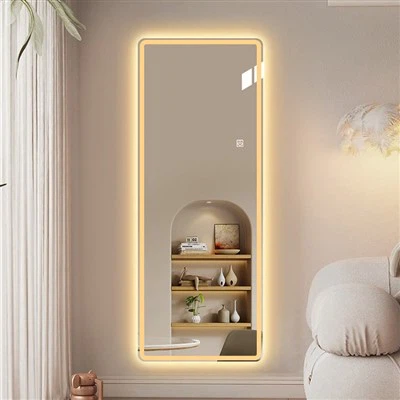
Glass fabric, and more specifically fabric sandwich glass, has emerged as one of the most distinctive and versatile decorative glass materials in modern architecture and interior design. By embedding layers of fabric between glass panels, this unique material combines the transparency and durability of glass with the texture, color and visual warmth of textiles, creating stunning visual effects that cannot be achieved with ordinary glass. But what exactly is glass fabric used for, and why is it gaining popularity among designers, contractors and project owners? This guide explores the structure, benefits, main applications, pricing factors and sourcing considerations for fabric sandwich glass, helping commercial buyers make informed decisions for their projects.
What is Glass Fabric and Fabric Sandwich Glass?
Definition and Structure
Fabric sandwich glass, also known as fabric laminated glass or textile glass, is a type of laminated glass in which a layer of decorative fabric, mesh or textile is sandwiched between two or more glass panes, bonded together with a PVB (polyvinyl butyral) or EVA interlayer under heat and pressure. The fabric layer is fully encapsulated within the glass, protected from moisture, dust, UV damage and wear, while remaining fully visible through the transparent glass surfaces.
The fabric used in fabric sandwich glass can vary widely in material, color, pattern and weave density, including linen, silk, polyester, metal mesh, jute and custom-printed textiles. By selecting different fabrics, designers can achieve effects ranging from subtle texture and light diffusion to bold patterns, brand colors and opaque privacy screens. As a leading decorative glass company, Luck Glass offers a wide range of fabric options and can also work with client-supplied fabrics to achieve custom design effects.
How Fabric Sandwich Glass is Produced
The production of fabric sandwich glass follows a precise lamination process. First, two glass panes are cut to size, edge-polished and thoroughly cleaned. A layer of PVB or EVA interlayer is placed between the panes, and the selected fabric is carefully positioned within the interlayer, ensuring it is flat, wrinkle-free and properly aligned. The assembled stack is then placed in a vacuum bag or autoclave, where heat and pressure remove air bubbles and permanently bond the glass, interlayer and fabric together into a single, solid panel.
The resulting product is a safety glass that retains the decorative appearance of the fabric while offering all the structural and safety benefits of laminated glass. If broken, the interlayer holds the glass fragments in place, reducing the risk of injury and making it suitable for a wide range of interior and exterior applications.
Related Post: "An In-depth Look At Fabric Glass"

Key Benefits of Fabric Sandwich Glass
Fabric sandwich glass offers a unique combination of aesthetic and functional benefits that set it apart from other decorative glass materials:
Unique aesthetic appeal: The embedded fabric adds texture, color and visual warmth that ordinary glass cannot match, creating a luxurious, tactile appearance.
Light diffusion and privacy control: Depending on the fabric density, fabric sandwich glass can diffuse light softly while varying levels of privacy, from semi-transparent to nearly opaque.
Safety performance: As a laminated glass, fabric sandwich glass meets safety standards and holds fragments in place if broken.
UV resistance: The glass and interlayer protect the fabric from fading, ensuring long-lasting color stability.
Sound insulation: The laminated structure with fabric interlayer provides improved acoustic damping compared with single-pane glass.
Design flexibility: Virtually any fabric, color or pattern can be embedded, allowing for unlimited customization to match any design scheme.
Low maintenance: The smooth glass surfaces are easy to clean, and the encapsulated fabric requires no special care.
Fabric Sandwich Glass Performance Overview
| Performance Aspect | Rating | Notes |
|---|---|---|
| Aesthetic Versatility | Excellent | Unlimited fabric, color and pattern options |
| Light Diffusion | Good to Excellent | Adjustable via fabric density and weave |
| Privacy Control | Good to Excellent | From semi-transparent to opaque |
| Safety Performance | Excellent | Laminated structure holds fragments if broken |
| Sound Insulation | Good | Better than single-pane glass |
| UV Stability | Excellent | Fabric protected behind glass |
| Maintenance | Low | Smooth glass surfaces, easy to clean |

Main Applications of Glass Fabric
Decorative Glass Panels for Doors
One of the most popular applications of fabric sandwich glass is for decorative glass panels for doors. Fabric glass doors add elegance and personality to residential and commercial interiors, allowing light to pass through while providing privacy and visual interest. They are commonly used for interior doors, office doors, conference room doors, hotel room doors and restaurant partitions. The fabric layer can be selected to match the overall interior design, from subtle neutral weaves for corporate environments to bold patterns and colors for hospitality and retail spaces.
Decorative Glass Window Panels
Fabric sandwich glass is also widely used for decorative glass window panels, where it serves both functional and aesthetic purposes. In residential settings, fabric glass windows can provide privacy while allowing natural light to filter through, creating a soft, diffused glow. In commercial buildings, fabric glass window panels can be used for interior partitions, sidelights, transoms and feature windows, adding texture and color to the space while maintaining light flow. For projects requiring branded or custom patterns, the fabric can be printed with logos, graphics or custom designs.
Glass Walls and Partitions
Fabric sandwich glass is an excellent choice for glass walls and partitions in offices, hotels, restaurants, retail stores and residential spaces. A glass wall supplier can provide large-format fabric sandwich glass panels that create semi-private divisions while maintaining an open, light-filled atmosphere. The fabric layer adds visual interest and helps reduce glare, while the laminated structure ensures safety and sound insulation. In office environments, fabric glass partitions can define meeting rooms and workspaces without sacrificing natural light or creating a closed-in feeling.
Custom Mirrors and Other Applications
Beyond doors, windows and partitions, fabric sandwich glass can be combined with mirror backing to create custom mirrors with textured or colored fabric effects, offering a unique alternative to standard mirrors. Custom mirror manufacturers can produce fabric-backed mirrors for feature walls, bathroom vanities, hotel lobbies and retail displays. Other applications include elevator interiors, ceiling panels, balustrades, furniture surfaces, cabinet doors and artistic installations. The versatility of fabric sandwich glass makes it suitable for virtually any project where a distinctive, textured glass surface is desired.
Related Post: "What Is Fabric Glass"
Fabric Glass Price and Cost Considerations
When evaluating fabric glass price, it is important to understand the factors that influence the total cost. Fabric sandwich glass is generally a premium decorative material, and its price per square meter or square foot varies based on several key factors:
Glass thickness and type: Thicker glass, low-iron ultra-clear glass and tempered options increase cost.
Fabric type: Standard fabrics are more affordable, while custom-printed, specialty or imported fabrics carry a premium.
Panel size: Larger panels require larger glass substrates and more careful handling, which can increase cost.
Lamination type: PVB and EVA lamination have different cost structures, and autoclave processing adds to the price.
Customization: Custom fabric printing, color matching and special edge treatments increase cost.
Order quantity: Bulk orders achieve significantly lower per-unit rates than small or sample orders.
Shipping and installation: Delivery, packaging and professional installation should be factored into the total budget.
While fabric glass price may be higher than standard clear or frosted glass, its unique aesthetic and performance characteristics make it a cost-effective choice for feature elements and high-end projects where design impact is a priority. Buyers should compare quotes based on complete specifications including glass type, fabric selection, panel size and certification, rather than unit price alone.
Discuss your project requirements with our team
Sourcing Guide for Commercial Buyers
For commercial projects requiring fabric sandwich glass, it is essential to partner with a reliable supplier that can provide consistent quality, custom fabrication capabilities and dependable delivery. When evaluating a supplier glass provider, consider the following factors:
Production capability: Does the supplier operate autoclave or vacuum lamination equipment capable of producing large, high-quality fabric sandwich glass panels?
Fabric options: Does the supplier offer a wide range of standard fabrics, and can they work with client-supplied or custom-printed fabrics?
Quality control: Does the supplier have processes to ensure the fabric is properly aligned, wrinkle-free and fully bonded without bubbles or defects?
Certifications: Does the product meet international safety standards such as EN 12150, ANSI Z97.1 or SGCC?
Customization: Can the supplier accommodate custom sizes, thicknesses, edge finishing and hole drilling?
Project experience: Can the supplier provide references or examples of similar fabric glass projects they have completed?
Packaging and shipping: Does the supplier use safety plywood crates and offer reliable international shipping?
Requesting physical samples before placing a large order is always recommended, as it allows buyers to verify fabric appearance, light transmission, color and overall quality. It is also advisable to approve a signed sample for custom fabric projects to ensure the full production run matches expectations.
Luck Glass: Professional Decorative Glass Manufacturer
Luck Glass is a professional manufacturer specializing in fabric sandwich glass, back painted glass, silk-screen printed glass, frosted glass, custom mirrors and decorative glass products, serving global contractors, developers, building material traders and brand clients. The company operates advanced lamination production lines with an experienced technical team ensuring consistent quality and reliable delivery.
Luck Glass offers a comprehensive range of fabric options including linen, silk, polyester, metal mesh and custom-printed textiles, with the ability to work with client-supplied fabrics for bespoke projects. All fabric sandwich glass products meet international safety standards, with uniform bonding, no bubbles, stable fabric color and long service life. The company supports full customization including size, thickness, glass type, fabric selection, edge finishing, hole drilling and cutouts, with maximum panel sizes up to 3660mm x 2440mm and delivery within 30 working days.
Whether the project requires decorative glass panels for doors, decorative glass window panels, fabric glass partitions, custom mirrors or bulk supply for a large-scale commercial fit-out, Luck Glass provides efficient, reliable solutions tailored to each project's design specifications and budget. With years of experience serving international construction and decoration projects, the company offers professional product selection guidance, technical support and after-sales service to help clients achieve successful project outcomes.
Related Post: "Top 10 Glass Manufacturers & Suppliers in China: An In-Depth B2B Guide"
Frequently Asked Questions
Q: Is fabric sandwich glass safe for use in doors and partitions?
A: Yes, fabric sandwich glass is a laminated safety glass that meets international safety standards. If broken, the interlayer holds glass fragments in place, reducing the risk of injury. It is suitable for doors, partitions, windows and other interior applications.
Q: Can the fabric inside the glass get wet or mold?
A: No, the fabric is fully encapsulated between glass panes and bonded with PVB or EVA interlayer, creating a sealed, moisture-proof environment. The fabric is protected from water, humidity, dust and UV exposure, so it will not get wet, mold or fade under normal use.
Q: Can I provide my own fabric for a custom project?
A: Yes, many manufacturers including Luck Glass can work with client-supplied fabrics. However, it is important to consult with the manufacturer first, as some fabrics may not be suitable for lamination due to thickness, heat sensitivity or color bleeding issues.
Q: How do I clean fabric sandwich glass?
A: Clean the smooth glass surfaces with a soft, damp cloth and mild, non-abrasive glass cleaner. Avoid using sharp objects or abrasive pads that could scratch the glass. The fabric inside requires no cleaning or maintenance, as it is fully protected.
Q: Can fabric sandwich glass be used for exterior applications?
A: While fabric sandwich glass is primarily designed for interior use, it can be used for certain exterior applications when specified with appropriate glass types and interlayers. For exterior projects requiring high UV and weather resistance, it is important to consult with the manufacturer to confirm suitability and select the right materials.

Final Thoughts
Glass fabric, in the form of fabric sandwich glass, is a remarkably versatile decorative material that combines the structural and safety benefits of laminated glass with the unique aesthetic warmth, texture and color of textiles. From decorative glass panels for doors and decorative glass window panels to glass walls, partitions, custom mirrors and artistic installations, fabric sandwich glass offers design possibilities that ordinary glass simply cannot achieve.
While fabric glass price may be higher than standard glass products, its distinctive appearance, light diffusion, privacy control, sound insulation and low maintenance make it a valuable investment for high-end residential, hospitality, office and retail projects. By understanding the structure, benefits, applications and pricing factors outlined in this guide, and by partnering with a reliable decorative glass company such as Luck Glass, project buyers and designers can create stunning, durable and unique glass installations that elevate any interior space.
Related Post: "Advantages And Disadvantages Of Fabric Glass"
Discuss your project requirements with our team