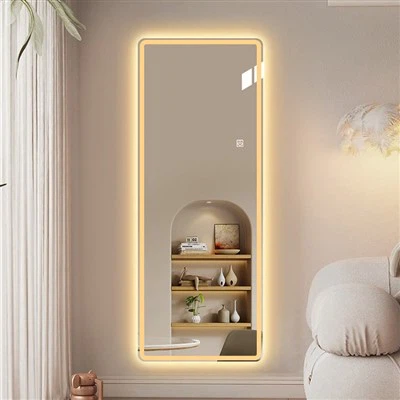
Ultra-thin glass is glass manufactured with a relatively small thickness for applications where a slim profile, reduced component weight, and precise integration are important. Compared with conventional glass products used in many building applications, it can support more compact designs for electronic devices, display components, technical equipment, and selected decorative products. However, the term does not refer to one universal thickness. The appropriate specification depends on the glass composition, manufacturing process, dimensions, and intended use.
For product designers, manufacturers, and procurement teams, 1.8mm Ultra-thin Glass offers an option for projects that need a thin glass component without automatically moving to the thinnest available material. Selecting the right product requires attention to more than thickness alone. Optical quality, mechanical performance, edge condition, processing compatibility, and handling requirements all influence whether a glass sheet is suitable for the finished assembly.
What Is Ultra-Thin Glass?
Ultra-thin glass is a category of glass produced at relatively low thicknesses for applications that benefit from a thinner material profile. It may be used as a protective cover, display component, viewing window, or part of a precision assembly, depending on its technical properties.
Unlike conventional architectural glazing, which is often selected for building-envelope requirements, ultra-thin glass is frequently specified as a component within a larger product. Its surface quality, thickness tolerance, dimensional consistency, and compatibility with downstream manufacturing processes can therefore be particularly important.
The term micro thin glass is also used in product descriptions and searches to refer generally to very thin glass. However, it is not a universal technical classification with one fixed thickness range. Buyers should confirm the actual nominal thickness and tolerances instead of relying on descriptive terminology.
Ultra-thin glass is available in different compositions and product configurations. Not every grade has the same optical properties, mechanical strength, or processing capabilities, so specifications should be matched to the intended application.
Related Post: "What Thicknesses Of Glass Are Available?A Quick Guide"
What Is 1.8mm Ultra-thin Glass Used For?
The applications of 1.8mm Ultra-thin Glass depend on the glass grade, panel dimensions, mounting method, and operating environment. Potential uses include selected electronic, industrial, decorative, and product-design applications.
1. Electronic Devices and Display Components
Thin glass may be used in selected electronic products as a cover or component within a display assembly. Its relatively slim profile can help designers manage the overall thickness of a product while maintaining a glass surface.
Depending on the application, relevant considerations may include optical clarity, surface quality, dimensional tolerance, touch compatibility, and bonding requirements. The glass must be evaluated as part of the complete assembly rather than as an isolated sheet.
2. Industrial Equipment and Control Panels
Industrial equipment may use glass panels to protect displays, provide viewing windows, or create interfaces for monitoring and operation. Where the design calls for a slim panel, ultra-thin glass may be considered if it meets the mechanical and environmental requirements.
Buyers should identify potential exposure to impact, vibration, chemicals, temperature changes, and repeated cleaning. A glass product suitable for an indoor display may not be appropriate for equipment exposed to harsher operating conditions.

3. Precision Instruments
Some precision instruments and technical devices require glass components with controlled dimensions and surface quality. Depending on the design, thin glass may serve as a protective window or part of an optical or measurement assembly.
The required optical transmission, flatness, surface finish, and dimensional tolerances should be specified in advance. Standard ultra-thin glass should not automatically be assumed to meet specialized optical requirements without supporting technical data.
4. Decorative and Interior Components
Ultra-thin glass may also be suitable for selected decorative panels, display inserts, cabinet components, and interior product designs where a slim appearance is desirable.
For these applications, the panel's support conditions and expected loads are important. Thin glass intended for decorative use should not automatically be substituted for glass used in doors, partitions, balustrades, or other installations subject to specific safety requirements.

What Are the Benefits of Ultra-Thin Glass?
Ultra-thin glass can offer several practical advantages when the material is correctly matched to the application.
| Potential benefit | Value for product design | Important consideration |
|---|---|---|
| Slim profile | Supports compact assemblies and reduced component thickness | Confirm the space available in the finished product |
| Lower material weight | Generally weighs less than thicker glass of the same area and composition | Total assembly weight also depends on frames and supporting parts |
| Glass surface quality | Can provide a smooth surface for selected display and equipment applications | Verify optical and surface-quality requirements |
| Design flexibility | Supports certain lightweight and space-conscious designs | Confirm dimensions and manufacturing limitations |
| Integration potential | May be incorporated into selected multi-component assemblies | Check bonding, edge finishing, and other downstream processes |
These benefits are application-dependent. A thinner sheet is not automatically more durable, more flexible, or more suitable for every design. Mechanical behavior depends on glass composition, thickness, panel dimensions, edge quality, surface condition, and how the panel is supported.
Related Post: "Application Of Ultra-thin Glass"
How Does 1.8mm Glass Compare with Thicker Glass?
Thickness selection involves balancing the required product profile with mechanical and manufacturing demands. A 1.8mm glass sheet may be suitable when a project needs a relatively thin component, while a thicker product may be more appropriate where greater rigidity or different safety characteristics are required.
| Factor | 1.8mm Ultra-thin Glass | Thicker Glass |
|---|---|---|
| Overall profile | Supports a relatively slim design | Requires more space in the assembly |
| Material weight | Generally lower for the same area and composition | Generally higher for the same area and composition |
| Mechanical behavior | Sensitive to panel size, edge condition, support, and loading | May offer greater rigidity, depending on configuration |
| Handling | May require careful support and protective packaging | Handling requirements depend on panel size and weight |
| Typical design priority | Compact components and space-conscious integration | Applications requiring different stiffness or glazing characteristics |
This comparison is general rather than a performance guarantee. The suitability of either thickness should be determined by the design requirements and, where necessary, engineering evaluation.
What Should Buyers Consider When Choosing Ultra-Thin Glass?
Selecting the right glass starts with defining the intended application and the performance requirements of the finished product.
Thickness and Dimensional Tolerance
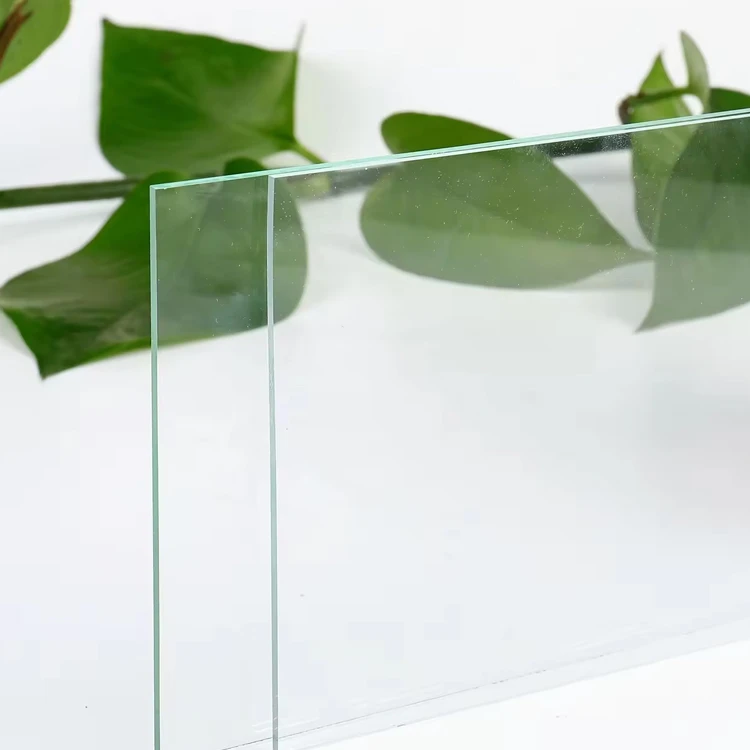
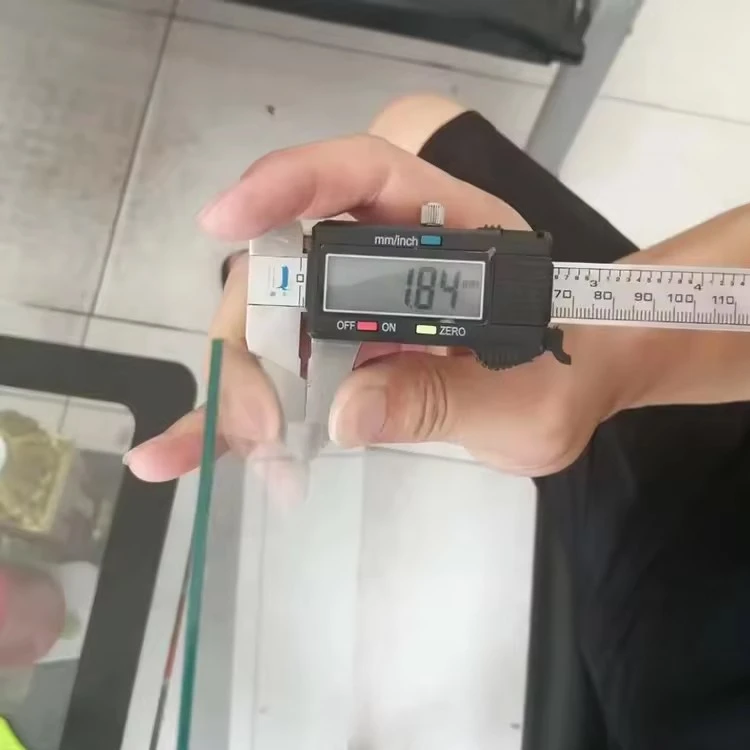
Confirm the nominal thickness, allowable thickness variation, panel length and width, and dimensional tolerances. For 1.8mm Ultra-thin Glass, buyers should request the manufacturer's documented specifications rather than assume that all products described as ultra-thin follow the same tolerances.If the glass requires holes, notches, cutouts, or precise edge dimensions, these details should be included in the drawings and confirmed before production.
Optical and Surface Requirements
For displays, instruments, and viewing panels, optical performance may be a critical factor. Depending on the application, buyers may need to specify visible light transmission, haze, surface defects, flatness, or other relevant properties.Provide reference samples or objective acceptance criteria whenever possible. These make it easier for the manufacturer to assess whether the proposed product meets the intended requirements.
Mechanical Requirements and Safety
Glass selection should account for the panel's dimensions, support points, mounting method, and expected loads. Thin glass can be sensitive to edge damage and handling stresses, so the final assembly needs to be evaluated for the actual operating conditions.If the glass is intended for a safety-critical or load-bearing application, verify the applicable standards and required safety-glazing configuration. Do not assume that a thin glass sheet is suitable simply because its dimensions fit the design.
Processing Compatibility
Depending on the product, downstream processes may include cutting, edge finishing, strengthening, coating, printing, lamination, or bonding. Not every glass grade is suitable for every process, and processing can affect the final product's quality and performance.Confirm the required process sequence and technical limits with the manufacturer before approving the specification.
Packaging and Handling
Ultra-thin glass can require careful handling during manufacturing, inspection, storage, and transport. Buyers should discuss protective separators, packaging, labeling, inspection criteria, and any special handling instructions.For repeated orders, approved samples and documented acceptance requirements can help maintain consistency between batches.
Why Choose Luck Glass for 1.8mm Ultra-thin Glass?
Luck Glass supports buyers sourcing glass for commercial, industrial, and specialized applications. For projects requiring 1.8mm Ultra-thin Glass, clearly defining the intended use, dimensions, thickness tolerance, surface quality, and processing requirements is an important first step.
Project drawings, quantity schedules, and reference samples can help clarify the required configuration. Buyers should also confirm the available processing scope, inspection criteria, protective packaging, and delivery arrangements according to the project requirements.
For products that will be integrated into electronic devices or precision assemblies, compatibility with the downstream manufacturing process is particularly important. The glass specification should be reviewed against the finished product's mechanical, optical, and dimensional requirements before production approval.Luck Glass can discuss project requirements and help buyers clarify the product details needed for specification review and procurement planning.
Related Post: "Top 10 Glass Manufacturers & Suppliers in China: An In-Depth B2B Guide"
Frequently Asked Questions
Is 1.8mm glass considered ultra-thin?
A thickness of 1.8mm is relatively thin compared with many conventional glazing products and may be classified as ultra-thin within certain product categories. The exact classification depends on the manufacturer's product range and the intended application.
Is ultra-thin glass suitable for electronic devices?
It may be suitable for selected electronic devices, display components, and equipment interfaces. Suitability depends on optical requirements, mechanical design, surface quality, processing compatibility, and the conditions in which the product will be used.
Is thinner glass always lighter and better?
For the same area and glass composition, thinner glass generally weighs less. However, reduced thickness does not automatically mean better overall performance. The product must still meet the required strength, durability, optical, and safety criteria.
Can 1.8mm Ultra-thin Glass be customized?
Customization may be possible depending on the manufacturer's capabilities and the required specifications. Buyers should provide drawings, dimensions, tolerances, processing requirements, and intended-use details for review before confirming an order.
What should I provide when contacting a supplier?
Provide the required thickness, dimensions, quantity, application, surface-quality requirements, processing needs, and delivery information. Reference samples or technical drawings can help clarify the specification.
Final Thoughts
Ultra-thin glass is used in selected electronic products, display components, precision instruments, and decorative applications where a slim profile and suitable glass surface are important. 1.8mm Ultra-thin Glass may be a practical option for projects that need a relatively thin component, provided it meets the mechanical, optical, dimensional, and processing requirements of the finished product.
Before ordering, confirm the nominal thickness and tolerance, intended application, surface quality, processing compatibility, and handling requirements. For B2B buyers, a clear specification and a supplier that can communicate product capabilities and limitations are essential to reliable procurement.
Related Post: "What Is The Thinnest Glass? Types & Uses"