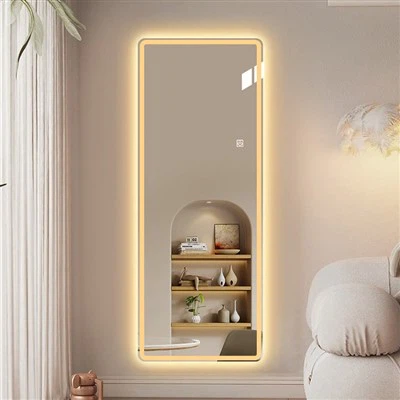
Anti-reflective glass is a kind of glass that has been specially coated. Anti-reflective glass manufacturers can make anti-reflective glass surface transmittance of up to 98% or more through sophisticated equipment. It reduces the reflection of light, which allows us to see objects more clearly without glare. Due to its excellent optical properties, anti-reflection glass is widely used in various scenarios. Although anti-reflective glass has many advantages, there are still some disadvantages in different use scenarios. In this paper, the advantages and disadvantages of anti-reflection glass are described in detail.

The advantages of anti-reflective glass
Reduce glare
The main advantage of anti-reflective glass is that it reduces glare. Ordinary glass will reflect a lot of light in the light, which can create glare. When our sight receives the reflected light, it will feel uncomfortable. This can be serious, especially in bright light. Anti-reflective glass by applying a special optical coating on the glass surface, effectively reduce the reflected light. The visual experience has been enhanced.
Display applications: On devices such as smart phones, computer monitors and TVS, anti-reflective glass can effectively reduce glare. We can see the screen clearly even in direct sunlight.
Glasses application: Anti-reflective glass is also often used in lenses. This application is important for eye wearers. It can reduce light reflection when driving at night or working in bright environments, improving user safety and comfort.
Improve light transmittance
Anti-reflective glass can increase the transmittance of light by reducing the reflected light. The transmittance of ordinary glass is usually affected by the reflected light, because some of the light will be reflected back, and the transmittance will be reduced. Anti-reflective glasses are ideal for applications that require high light transmittance, as their light transmittance can be increased to more than 98%.
Solar panels: On solar panels, anti-reflective glass can help more sunlight enter the photovoltaic system. Thus, the energy conversion efficiency is improved, so the power generation efficiency is improved.
Building Windows: Because of the high transmittance of anti-reflective glass, it can increase the utilization rate of light. Reduces the need for artificial lighting. Energy efficiency has improved a lot.
Improve image sharpness
Due to the anti-reflective glass can reduce the surface reflected light. It can improve the visual clarity and contrast of objects. It is especially obvious in applications such as display screens, museum display cases, and picture frames. Anti-reflective glass allows viewers to see clearer, brighter images without being disturbed by reflected light.
Frame glass: In picture frames and display cases, anti-reflective glass can show the true color and detail of the work. Enhance the viewing experience of visitors.
Reduces eye strain
We all feel eye strain when using electronic devices for a long time. However, if the electronic device screen uses anti-reflective glass, it can effectively reduce the reflected light. We don't have to work hard to adjust the focus to rest our eyes. Long hours of work or play will not strain the eyes too much.
Office equipment: In office environments where computers are used for long periods of time, anti-reflective glass can reduce glare interference. Its application in office places reduces eye fatigue and improves work efficiency and comfort.

Improve product aesthetics
The surface of the anti-reflective glass reduces the reflected light, making the glass look clearer and more transparent. Using it as a display case for exhibits can improve the beauty and texture of products. Especially in high-end products and modern architectural design, the simplicity and transparency of anti-reflective glass can enhance the overall visual effect.
High-end products: smart phones, watches and other high-end electronic products often use anti-reflective glass, which can improve the grade and fashion of the product.
Good durability
Anti-reflective glass factory in the manufacture of anti-reflective glass will carry out strict surface treatment. Including us, we as China's professional anti-reflection glass supplier is no exception. When we manufacture the anti-reflective glass, the wear resistance and scratch resistance are improved. In this way, it can still maintain good optical performance and appearance in long-term use.
Dirt resistance and easy cleaning
After the surface of the anti-reflective glass is treated, it can make its surface not easily contaminated with dust and fingerprints. It is also very easy to maintain. Reduced a lot of cleaning costs.
The disadvantages of anti-reflective glass
In the first half we introduced the advantages of anti-reflective glass. Here we introduce its disadvantages. Rather than weaknesses, I think it's easier to say something that needs attention.
High manufacturing cost
The surface coating of anti-reflective glass is special. This requires relatively complex production techniques and demanding equipment. This makes the manufacture of anti-reflective glass expensive. Some scenarios that require large-scale applications may be sensitive to this. Especially in some areas requiring high-end electronic products, these cost budgets need to be taken into account.
Susceptible to coating damage
Although the surface coating of anti-reflective glass has a certain wear resistance, it still cannot withstand large stimuli. For example, long-term corrosion or heavy scratching, the coating will inevitably receive damage. This will affect the use of its functions. In some applications that require frequent cleaning, if the cleaning method is not proper, it is likely to cause damage to its anti-reflection coating. This also increases maintenance costs. So we should be more careful in daily use. As long as it is not an extreme environment, in general, the wear resistance of anti-reflective glass is sufficient.
Visual Angle fixation
The visual presentation effect of anti-reflection glass is also related to our perspective. At certain angles, anti-reflective glass works best. But at some angles, the anti-reflection effect may not be so good. Especially on certain displays, this phenomenon can affect the personal experience. Therefore, some users may report that they do not feel effective after purchasing anti-reflective glass. But in fact, there may be a problem with your perspective, and different angles will produce uneven reflected light. This will affect the overall feeling.

Limited weather resistance
Although the coating of anti-reflective glass can remain stable for a long time in most indoor and light outdoor environments. However, in some extreme weather conditions, such as high temperatures, acid rain or wind and sand, the weatherability of the coating may be challenged. This will lead to the deterioration of anti-reflection performance. So we should pay attention to the use of anti-reflective glass environment. In some harsh weather conditions, we still want to minimize the use of anti-reflective glass.
Coating technology dependence
The level of anti-reflection coating technology of different anti-reflection glass factories is uneven, and the product quality may be greatly different. Some low-quality anti-reflection glass products, the coating is prone to fall off, scratches and other problems. However, as a professional anti-reflection glass factory, we have professional after-sales service. We can also contact you if you have mission questions.
Sum up
Anti-reflective glass is widely used in electronic display screens, museum display cases, building Windows and other fields because of its advantages of reducing glare and improving light transmittance. But it also has some minor drawbacks. Reasonable avoidance of these shortcomings, magnifying its advantages, can effectively promote the application of anti-reflective glass.