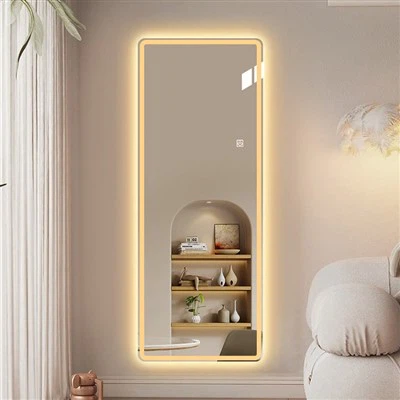
Anti-reflection (AR) glass provides an excellent solution for glare and reflection issues. At this point, its emergence changed the mounting industry. Whether it's for art galleries, museums or personal home decor. Anti-reflective glass can improve the visibility of framed artwork, photos, and other items by reducing reflection and improving clarity. This technique plays a key role in maintaining the visual clarity and aesthetic value of a mounted piece. This paper will discuss the importance of AR glass in mounting, its working principle, advantages and applications.
What is anti-reflective glass?
The anti-reflective glass is specially coated. The amount of light reflected from its surface can be minimized. It allows more light to pass through the glass instead of reflecting it off. Conventional glass can reflect up to 8 percent of light. Produces visible glare and dulls the appearance of the frame content. AR glass can reduce this reflection to less than 1%. A significant reduction in reflection improves the overall viewing experience. This makes the frame object look clearer and brighter.
The manufacturing process of anti-reflective glass involves the application of a series of thin, transparent coatings made of metal oxides. These coatings work by cancelling out wavelengths of light that would normally be reflected off the glass surface. As a result, light passes through the glass instead of being reflected back to the viewer. The result is an almost invisible surface.

The working principle of anti-reflective glass
The key to AR glass's effect is its multilayer coating. These coatings are designed to interfere with incoming light so that reflections from the outer and inner surfaces of the glass cancel each other out. This process is called destructive interference. This is essential to reduce glare.
Destructive interference: The anti-reflective coating causes light waves hitting the glass surface to interfere with each other. The amplitude is reduced. This minimizes the amount of reflection. This allows a higher proportion of light to pass through the glass, which improves the clarity and color fidelity of the framed object.
Multilayer coatings: These coatings are usually coated in multiple layers. Each layer is customized for a different wavelength of light. This ensures that all spectra of light can pass through the glass. This minimizes reflection in a variety of lighting conditions, including artificial lighting and natural daylight.
The benefits of using AR glass in frames
Anti-reflective glass has several key advantages for framing. So it is favored by artists, collectors, museums and homeowners.
Reduce glare and reflection: The main advantage of AR glass is its ability to drastically reduce glare. This is especially important in environments where light is unpredictable. Predict a gallery with spotlights or a house with large Windows. Reflections are minimized to less than 1% and the frame content is clearly visible from any Angle.
Enhanced color accuracy and contrast: Since AR glass allows more light to pass through, the colors of framed artwork or photos appear more vibrant. The contrast between the different elements of the artwork is also enhanced. Make the work more depth and detail.
Improved viewing Angle: When using traditional glass, reflections can hinder the viewing of framed items from certain angles. No matter what Angle the viewer stands at for viewing, the anti-reflective glass can present a clear and unobstructed view. It makes an excellent choice for exhibitions and displays. Because in the exhibition and display, most people are standing in different angles to watch.
Uv protection: Many types of anti-reflective glass are also designed with built-in UV protection. This is especially beneficial for preserving delicate artwork, photographs and documents. Because it prevents them from fading or yellowing from exposure to ultraviolet light. Uv protection can extend the service life of the framed content. Make anti-reflective glass a wise investment choice for long-term preservation.
Durability and scratch resistance: The coating on the anti-reflective glass is designed to be extremely durable. It makes the glass resistant to scratches and other damage. This is important in an environment where frames are often handled or cleaned. Even in areas with high foot traffic, anti-reflective glass can maintain its original appearance for a long time.
Aesthetic appeal: Due to the light transmittance of anti-reflective glass up to 98%, it is almost invisible to light. This way, the viewer can focus entirely on the content. It's not distracted by the reflection or the glass itself. In a modern, minimalist design environment, AR glass is popular for its clean, smooth appearance.
Application of anti-reflection glass in frame
Anti-reflective glass can be used in a variety of mounting applications. From personal and commercial art displays to protective casings for valuables. Here are some of its common uses.
Art galleries and museums
One of the main applications of anti-reflective glass is in art galleries and museums. These institutions rely on anti-reflective glass to display artworks in optimal light. In these environments, reducing glare is essential to ensure that visitors can fully appreciate the colors, textures and details of the exhibits.

Exhibition display: Paintings, sculptures and other forms of art are often placed under bright light to highlight their characteristics. AR glass ensures that lighting enhances the effect of the artwork. Without distracting reflexes.
Preservation of artwork: in addition to reducing glare. AR glass with UV protection also minimizes the harmful effects of sunlight and artificial lighting. So it can help protect the integrity of the artwork.
Composition for photography and printing
For photographers and printmakers, anti-reflective glass is essential for presenting work that is true to the original effect. Photographs and fine art prints are usually behind glass to protect them from dust, moisture and physical damage. However, conventional glass can reduce the sharpness of the image due to its reflection. AR glass allows photos or prints to be viewed as intended, with accurate colors and clear details.
Enhanced detail and depth: Sometimes the photos we take with regular glass have interference caused by reflected light. To make the photo look less elaborate. But if you shoot with anti-reflective glass. Then the photo will look sharper and more detailed. The subject of the photograph is vividly displayed.
Professional Presentation: For professional photographers. AR glass ensures that customers or gallery visitors will see photos without distortion or glare. Eventually, the quality of his work was improved. The customer's personal satisfaction has been improved.
Home decoration
In residential Settings, anti-reflective glass is often used to frame family photos, posters, and decorative art. AR glass can reduce glare. So if the family wants to display some precious photos but is worried about the reflection from the window, AR glass is a good choice. Any lighting or outside light exposure will not affect the decoration of the room.
Living rooms and hallways: Framed artwork or photos in high-traffic areas such as living rooms and hallways can benefit from AR glass. Because it ensures that the framed content remains clearly visible in a variety of lighting conditions.
Offices and study Spaces: In a home office or den, light changes throughout the day. AR glass ensures that framed artwork or certificates can always be easily viewed.
Commercial and retail displays
In the commercial environment, AR glass also has many uses. It can create a more attractive display for product promotion. For example, retailers often use framed signs or artwork in their stores to enhance the customer experience. And AR glass ensures that these displays are both beautiful and functional.
Luxury displays: High-end retailers often use anti-reflective glass to display luxury goods. For example, watches and jewelry. Ensure that there is no interference reflection during product display. When we buy luxury goods, we can only feel the beauty of the goods. Increased the desire to shop.
Interior design: AR glass not only has strong performance, but also is not weaker than other glass in decoration. It can be used for office buildings, hotels and restaurants. Display decorative art or branded materials that create a sophisticated, professional look.

Document preservation and display
AR glass is also widely used for framing and displaying important documents. Such as diplomas, certificates or historical documents. The clarity provided by the anti-reflective glass ensures that these documents are easy to read and enjoy. At the same time, the protective properties of glass help to preserve paper for a long time.
Law and Business offices: Anti-reflective glass is commonly used to paper diplomas and professional certificates in legal and business environments. Ensures file integrity. Create a sophisticated and professional atmosphere.
Historical and archival displays: for institutions that display historical documents or treasure manuscripts. Anti-reflective glass provides both protection and enhanced visibility. It will not affect the visitors' reading of the literature.
Conclusion
Anti-reflective glass has become an essential material in the mounting industry. It has many advantages and is ideal for displaying artwork, photography and documents. It reduces glare, improves color accuracy and protects delicate materials. This makes it a popular choice for both commercial and residential environments. Whether in museums, galleries or at home. AR glass can improve the viewer experience by providing clearer, more vivid mounted content. It also provides security protection. Provides effective UV protection and prevents wear problems. With the continuous development of technology, the application of AR glass in mounting may be further expanded. Setting new standards for visual clarity and preservation.