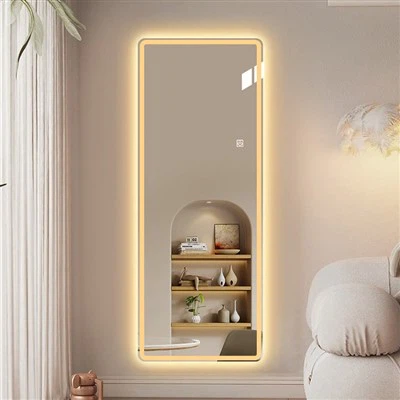
Anti-reflective glass is glass that has been specially treated. It is designed to minimize the reflection of light from its surface, thereby significantly improving its transparency and visibility. The technology is used in a wide variety of applications, including optical devices, building facades, solar panels and display screens. The principle, manufacturing process and various applications of anti-reflection glass are discussed in this paper. Can help you better understand the working principle of anti-reflection glass.

Understand the reflection and refraction of light
The performance of anti-reflective glass is related to the optical principle. So we need to understand the optical principle involved in anti-reflective glass in advance. The most basic is the principle of light reflection and light refraction.
Light reflection occurs when light hits a surface and bounces off. The amount of light reflected depends on the surface properties of the material and the Angle at which the light hits the surface. For typical glass, about 4 to 8 percent of the light coming out of each air-glass interface is reflected. This is unavoidable. That's why we can see our own reflection through the reflection of light.
Light refraction is the bending of light rays as they travel from one medium to another with a different density. In our middle school physics classes have been exposed to, different densities of the medium will also produce different refraction angles. If the reflex is not controlled, this bending will cause us a certain visual disturbance and distortion effect.
The science behind anti-reflective coatings
After understanding the principles of light reflection and refraction, let's look at anti-reflection coatings. Anti-reflective glass uses a coating that reduces reflection through a combination of light interference and absorption. Coatings are typically made of materials with a lower refractive index than glass, which helps promote the transmission of light rather than reflection.
Interference effect
The main working principle of the anti-reflection coating is the principle of optical interference. The principle states that when two beams of light meet, they can amplify or cancel each other out, depending on their phase relationship.
When light waves are in phase, constructive interference occurs, resulting in an increase in intensity. When the phase of the light wave is different, destructive interference will occur, resulting in a reduction or cancellation of the intensity.
In terms of anti-reflective coatings. The coating is carefully designed to produce destructive interference at specific wavelengths of light. This design minimizes the overall reflected light and maximizes the transmitted light.
Multilayer coating system
Most effective anti-reflection coatings are multilayered. On a single layer, the effect of anti-reflection will not be too obvious. For better visual clarity, anti-reflective coatings are generally composed of several thin layers of different materials. Each layer has a different refractive index.
The top layer generally has the lowest refractive index. Light can easily pass through the first thin layer. In the process of gradually increasing the refractive index of each layer, the reflection of various wavelengths can be further reduced. And the thickness of each layer is actually carefully calculated. This is done in order to achieve the destructive interference required for specific wavelengths of light, such as visible light.
Manufacturing process of anti-reflection glass
The production of anti-reflective glass involves several key steps, from glass selection to coating application. The following are the details of the manufacturing process.
The basic choice of glass
The first step is always to choose a suitable glass substrate. There are three common options. Includes:
Sodium-calcium glass: The cost of sodium-calcium glass is more cost-effective, so it is also widely used.
Borosilicate glass: This kind of glass has good heat and chemical resistance. Therefore, it is also often used as a glass substrate.
Low iron glass: low iron glass because of its low iron content, so basically transparent. Therefore, it has good clarity and is generally suitable for high-end applications.

Surface treatment
Before coating the glass, the surface of the glass must be cleaned. This step is to remove contaminants such as dust, oil, or fingerprints. There are usually two ways to achieve this.
Chemical cleaning: Chemical cleaning is to dissolve organic pollutants on the surface of the glass through solvents.
Mechanical cleaning: Mechanical cleaning is more secure and fast. It is used to scrub or wear methods to ensure that the surface is perfect.
Coating application
A variety of methods can be used to apply anti-reflective coatings.
Sputtering coating: This vacuum deposition process uses plasma to eject material from the target and then deposit it on the glass surface.
Chemical vapor deposition (CVD) : The process by which gaseous precursors react on a glass surface to form a thin film. It is the introduction of gaseous chemicals into a vacuum environment to cause chemical reactions on the surface of the glass. To form an anti-reflective coating. CVD technology has the advantage of lower cost, but the control of film thickness is not as accurate as sputtering coating.
Sol-gel process: This process involves the application of liquid sol. The liquid sol is transformed into a solid gel after heating. Thus a uniform anti-reflective coating can be formed.
Solids and quality control
After the coating is finished, the glass usually undergoes a curing process. This process allows the coating to stabilize and harden. The process may also involve the following steps.
Heat treatment: Use controlled heating to stabilize the coating.
Ultraviolet curing: The coated glass is exposed to ultraviolet light to initiate a polymerization reaction.
Finally, the coated glass also goes through strict quality control. At the same time, it is also necessary to check whether the glass surface has bubbles, scratches and other problems. But quality control is to include the following two kinds.
Reflectivity test: Measures the amount of light reflected to ensure it meets specifications.
Durability test: Assess the resistance of the coating to scratches, chemicals and environmental conditions.
The advantages of anti-reflective glass
Anti-reflective glass has several significant advantages that make it an ideal choice for a variety of applications.
Enhanced visibility
Anti-reflective glass improves visibility by significantly reducing glare and reflection. This feature is critical for the following.
Optical equipment: such as microscopes and telescopes, clarity is crucial.
Display: The display of various electronic devices needs clear display. For example, the readability and comfort of smartphones, tablets and TVS will be affected. Through the application of anti-reflective glass, it can improve its visual comfort.
Improve energy efficiency
In the application of solar panels, anti-reflective glass can increase light absorption. In turn, energy conversion efficiency can be improved. Make full use of light resources. This means that more electricity can be generated from the same amount of sunlight.
Aesthetic appeal
For architectural applications, anti-reflective glass minimizes unwanted reflections. Therefore, in the appearance of the building, it presents a better aesthetic. This makes the lines of the building clearer and provides unobstructed views of the surrounding environment.
Protection of sensitive equipment
Some special equipment is used in sensitive environments. Lab equipment, for example. Anti-reflective glass helps reduce glare that can interfere with equipment operation. Thus reflecting clearer image results.

Application of anti-reflective glass
Anti-reflection glass is used in various fields, reflecting its versatility and importance. Here are some notable applications.
Optical instrument
In the field of optical instruments, anti-reflective glass has also played its own advantages. Lenses, for example. For glasses, camera lenses, or microscopes. Improved clarity and reduced glare. Another example is the telescope. The anti-reflective coating on the lens allows more light to enter, thus enhancing astronomical observations.
Consumer electronics
Anti-reflective glass can also be applied to the screens of smartphones and tablets. The application of this glass enhances visibility in strong light conditions. So we can see the video more clearly. And the TV display. The use of anti-reflective glass in high-end TVS can reduce reflections and improve the viewing experience.
Solar panel
Anti-reflective glass is a key component in solar panels. Because it can increase light transmittance and improve energy output.Thereby improving energy efficiency.
Art and display cases
There are various exhibits on display in museums or art galleries. The display cases in which the exhibits are stored are usually made of anti-reflective glass. This glass protects works of art and cultural relics. It also provides a clear view. Let us in the exhibition when the sight is not obstructed, will not be interfered by the reflection of light.
Architectural application
In modern architecture, anti-reflective glass also has an indispensable application. Architectural Windows and curtain walls are the area where anti-reflective glass is applied. It minimizes glare. It also makes maximum use of natural light. Give people a better visual feeling.
Conclusion
Anti-reflective glass plays a vital role in a variety of applications. Solutions that reduce glare, enhance visibility and improve energy efficiency. Anti-reflective glass is also evolving through the innovative use of coatings and advanced manufacturing techniques. Every step of the development of anti-reflective glass is to meet the needs of modern technology and design. Looking to the future, anti-reflective glass will continue to become an indispensable material in our daily lives.