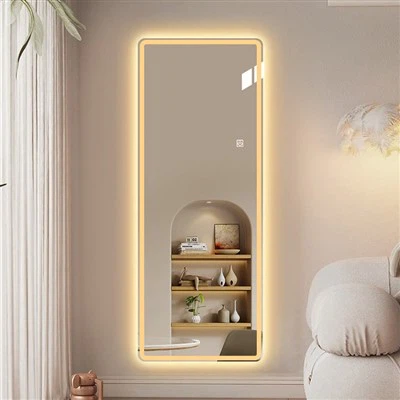
In the world of interior design, retail, hospitality, and corporate spaces, few elements are as simultaneously functional and impactful as the full-length mirror. For businesses considering this investment, the question often arises: Are full-length mirrors truly worth it? The resounding answer from designers, retailers, and facility managers is a definitive yes-but with important considerations.
This comprehensive guide explores the multifaceted value of full-length mirrors for commercial applications, providing the insights you need to make an informed purchasing decision for your business.

The Unmatched Functional Value of Commercial-Grade Mirrors
Full-length mirrors serve fundamental practical purposes that directly impact customer experience and operational efficiency.
In Retail Environments:
The fitting room experience is make-or-break for apparel retailers. Studies consistently show that well-lit spaces with quality, flattering mirrors significantly increase conversion rates. A full-length mirror allows customers to view their entire outfit, assessing fit, drape, and proportion from all angles. This comprehensive viewing experience reduces purchase hesitation and minimizes returns-a critical cost-saving factor for retailers.
In Hospitality:
Hotels, resorts, and spas utilize full-length mirrors to enhance the guest experience. From luxury hotel rooms to fitness centers, these mirrors add functionality while creating an impression of attention to detail and quality. In entryways and lobbies, they serve dual purposes: allowing guests to check their appearance while simultaneously making spaces appear larger and more luxurious.
In Corporate and Wellness Spaces:
Office gyms, yoga studios, dance facilities, and even corporate lobbies benefit from strategically placed full-length mirrors. They create an atmosphere of professionalism and attention to detail while serving practical needs for posture checking in fitness contexts.
Psychological Impact: How Mirrors Influence Customer Behavior
The value of full-length mirrors extends far beyond their reflective surface. Understanding the psychological impact helps businesses leverage mirrors as strategic tools.
Perception of Space:
Mirrors famously create the illusion of expanded space-a valuable asset for smaller retail locations, hotel rooms, or studio apartments in hospitality. By strategically placing full-length mirrors, businesses can make compact areas feel more spacious and inviting, directly impacting customer comfort and perception of value.
Light Enhancement:
Properly positioned mirrors amplify natural and artificial light, reducing lighting costs while creating brighter, more welcoming environments. This is particularly valuable in retail, where proper illumination directly affects how merchandise is perceived.
Consumer Confidence:
Quality mirrors that provide accurate, distortion-free reflections help customers feel confident in their purchasing decisions. This is especially crucial for clothing retailers, where the fitting room experience significantly influences buying behavior and brand perception.

Commercial Considerations: Investment Versus Return
When evaluating whether full-length mirrors are worth the investment, businesses must consider several financial factors:
Initial Investment:
Commercial-grade full-length mirrors represent a moderate initial investment. Prices vary significantly based on:
Size and dimensions
Glass quality (thickness, clarity, silvering)
Frame materials and design
Safety features (tempering, shatter-resistance)
Installation requirements (freestanding, wall-mounted, mobile)
Long-Term Value:
Quality commercial mirrors offer exceptional longevity. Unlike many interior elements that require frequent replacement or updating, a well-chosen mirror remains functional and stylish for decades with minimal maintenance. This makes them a cost-per-use value leader among interior furnishings.
ROI in Various Industries:
Retail: Increased conversion rates and reduced returns
Hospitality: Enhanced guest satisfaction and perceived quality
Fitness: Improved functionality and professional appearance
Corporate: Elevated space aesthetics and employee satisfaction
Types of Commercial Full-Length Mirrors: Choosing the Right Option
Not all mirrors are created equal. Understanding the available options ensures you select the right product for your specific commercial application.
Freestanding Mirrors:
Ideal for flexible spaces, retail floors, or temporary installations. Modern commercial freestanding mirrors often include weighted bases for stability and mobility features for easy repositioning.
Wall-Mounted Mirrors:
The most common commercial solution, offering permanent installation with space efficiency. Options include:
Standard fixed mounting
Pivoting designs for adjustable angles
Sliding systems for space optimization
Recessed mounting for streamlined appearance
Specialized Commercial Mirrors:
Shatter-resistant models: Essential for high-traffic areas, gyms, or family-friendly spaces
Anti-fog mirrors: Critical for spas, hotels, and fitness centers
Magnifying mirrors: Often paired with full-length versions in hospitality settings
Smart mirrors: Emerging technology integrating displays, lighting, and interactive features
Material Quality and Manufacturing Standards
The worth of a full-length mirror is directly tied to its construction quality. Commercial applications demand higher standards than residential mirrors.
Glass Quality:
Commercial mirrors should feature:
Low-iron glass: For superior clarity and reduced greenish tint
Appropriate thickness: Typically 1/4-inch or thicker for commercial durability
Consistent silvering: Even coating without defects or deterioration
Protective backing: Multiple layers to prevent silvering degradation
Frame Construction:
Commercial mirror frames must withstand frequent use and cleaning. Options include:
Metal frames: Aluminum, stainless steel, or brass for durability
Solid wood: With proper sealing for moisture resistance
Engineered materials: High-density polymers or composites for budget-conscious applications
Safety Features:
Tempering is essential for commercial applications. Tempered glass breaks into small, dull pieces rather than sharp shards, significantly reducing injury risk. For highest risk environments, consider acrylic mirrors or laminated glass options.
Installation and Maintenance Considerations
Professional Installation:
While some mirror types offer DIY installation, commercial applications typically benefit from professional installation. Proper mounting ensures:
Safety and stability
Optimal positioning and angle
Damage prevention during installation
Compliance with local codes and regulations
Maintenance Requirements:
Commercial mirrors require regular cleaning with appropriate products to maintain appearance and longevity. Factor in:
Cleaning frequency based on traffic
Appropriate cleaning solutions (ammonia-free for silvered mirrors)
Staff training for proper maintenance techniques
Periodic inspection of mounting hardware
Industry-Specific Applications and Benefits
Retail Sector:
Full-length mirrors are not just fitting room essentials-they're strategic merchandising tools. Positioned strategically throughout stores, they:
Encourage interaction with merchandise
Create the appearance of more inventory
Enhance natural light throughout the space
Provide opportunities for customers to see accessories and complete outfits
Hospitality Industry:
In hotels and resorts, full-length mirrors serve both functional and aesthetic purposes:
Enhance perceived room size and luxury
Provide practical functionality for guests
Contribute to overall design aesthetic
Can be strategically placed to highlight room features or views
Fitness and Wellness:
Dance studios, gyms, yoga studios, and spas have specific mirror requirements:
Shatter-resistance is non-negotiable
Often require wall-to-wall coverage
Moisture resistance for humid environments
Specific lighting considerations to reduce glare
Corporate Settings:
From office gyms to executive suites, full-length mirrors:
Enhance space perception in often-cramped urban offices
Provide functionality for professional appearance checks
Contribute to modern, well-appointed interior design
Emerging Trends in Commercial Mirrors
Smart Mirror Technology:
The integration of technology represents the next frontier in commercial mirrors. These innovative products may include:
Integrated lighting systems with adjustable color temperature
Touchscreen capabilities for interactive experiences
Augmented reality features for virtual try-ons in retail
Environmental controls for smart buildings
Sustainable Solutions:
Eco-conscious businesses are increasingly seeking mirrors manufactured with:
Recycled materials
Environmentally responsible production processes
Longevity and durability to reduce replacement frequency
Local manufacturing to reduce transportation impact
Customization Options:
Modern commercial mirrors offer unprecedented customization:
Bespoke sizes and shapes
Custom frame designs and finishes
Branding integration opportunities
Tailored mounting solutions for unique spaces
Cost-Benefit Analysis: Calculating the True Value
To determine whether full-length mirrors are worth it for your specific business, consider these evaluation factors:
Direct Benefits:
Increased sales conversion (for retail)
Enhanced customer/guest satisfaction
Improved space functionality
Reduced lighting costs through reflection
Indirect Benefits:
Brand image enhancement
Space perception improvement
Design cohesion and aesthetic completion
Long-term durability and minimal replacement needs
Cost Considerations:
Initial purchase price
Installation expenses
Maintenance requirements
Potential opportunity cost of space used
Making the Right Purchase Decision
When sourcing full-length mirrors for commercial use, follow these best practices:
Define Your Needs:
Primary purpose (functional, decorative, both)
Traffic levels and durability requirements
Safety considerations
Aesthetic alignment with existing design
Quality Assessment:
Inspect sample mirrors for distortion
Verify safety certifications
Assess frame construction quality
Review warranty terms and coverage
Supplier Evaluation:
Commercial experience and expertise
Customization capabilities
Installation services offered
References from similar businesses
Budget Planning:
Consider total cost of ownership, not just purchase price
Factor in installation and maintenance
Evaluate value rather than just cost
Consider phased implementation for large projects

Conclusion: The Verdict on Commercial Full-Length Mirrors
After examining the multifaceted considerations, the question "Are full-length mirrors worth it?" receives a strongly affirmative answer for most commercial applications. The combination of functional utility, psychological impact, aesthetic enhancement, and potential business returns makes quality full-length mirrors a valuable investment across numerous industries.
The key to maximizing value lies in selecting the right type, quality, and configuration for your specific commercial needs. By partnering with an experienced commercial mirror provider and carefully considering your unique requirements, you can implement a solution that delivers lasting value and enhances your business environment.
Whether you're outfitting a retail space, hotel, fitness center, or corporate facility, full-length mirrors represent more than just reflective surfaces-they're strategic business tools that contribute to customer satisfaction, operational efficiency, and overall aesthetic appeal.