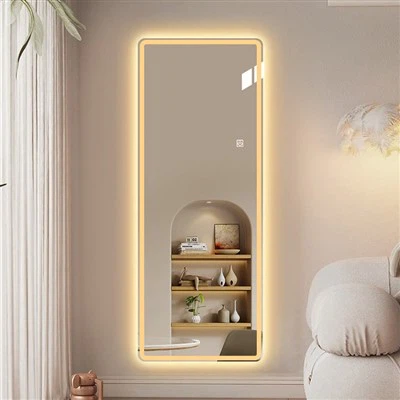
As a major economy spanning Eurasia, Turkey's glass and mirror market has seen a booming growth in recent years. From Istanbul's bustling shopping malls to the traditional bazaars of Anatolia, glass and mirror products are ubiquitous, becoming an indispensable element in Turkish architecture, homes, and commercial decor. This article will explore the reasons behind the booming Turkish glass and mirror market, revealing the cultural and economic logic behind it.
Overview of the Turkish Glass and Mirror Market
The Turkish glass and mirror market has maintained an astonishing growth rate in recent years. According to data from the Turkish Glass Manufacturers Association, the Turkish glass products market reached US$2.87 billion in 2022, with a compound annual growth rate of approximately 7.15%. Mirror products account for approximately 32% of the market share, and this proportion is steadily increasing.
In terms of product types, the Turkish market exhibits diverse characteristics:
Architectural glass (including curtain wall glass, door and window glass, etc.) accounts for 40%
Home decorative mirrors (bathroom mirrors, dressing mirrors, etc.) account for 30%
Artistic decorative glass and mirrors account for 20%
Specialty glass (such as automotive glass and solar glass) accounts for 10%

Notably, Turkey is not only a major consumer of glass and mirrors but also a significant producer. Turkey exports a large number of its products to markets in Europe, the Middle East, and North Africa. This "domestic production and sales plus export" industry model has further fueled the prosperity of the Turkish glass and mirror market.
Cultural Traditions and Aesthetic Preferences
The Turks' special affinity for glass and mirrors is deeply rooted in their rich history and cultural traditions. As early as the Ottoman Empire, exquisite glassware and mirrored decorations were integral elements of royal palaces and aristocratic residences. The Hall of Mirrors in Topkapi Palace is a prime example of this tradition. The ornate decoration composed of countless small mirrors not only reflects the advanced craftsmanship of the time but also embodies the special place mirrors hold in Turkish culture.
Stalls dedicated to glass and mirrors can be found in Istanbul's Grand Bazaar. These areas are always bustling with people. From small hand-carved mirrors to enormous gilded wall mirrors, each one embodies the perfect blend of traditional Turkish craftsmanship and modern design. The diverse styles of mirrors cater to the needs of consumers at all levels.
The Driving Effect of the Booming Construction Industry
The continued prosperity of Turkey's construction industry is a key factor driving the growing demand for glass and mirrors. This strong market demand stems primarily from three key factors.
Accelerating Urbanization: Turkey's urbanization rate has exceeded 76% and continues to grow at an annual rate of approximately 1.2%. Major cities such as Istanbul, Ankara, and Izmir are constantly expanding, creating a significant demand for products such as door and window glass and bathroom mirrors. Of particular note, Turkey's emerging middle class prefers modern apartments, which often feature large expanses of glass to enhance light and create a sense of space.
Large-Scale Government Infrastructure Projects: The Turkish government has also launched numerous large-scale projects driven by urban development, many of which require high-quality architectural glass. For example, the terminal building of Istanbul's new airport uses over 150,000 square meters of specialty glass, setting a new record for glass usage in a single building in Turkey.
A Tourism Facility Construction Boom: As the world's sixth-largest tourist destination, Turkey welcomes over 50 million international tourists annually. To boost its capacity, numerous new hotels, resorts, and commercial facilities are being built across the country. These venues often utilize high-end glass and mirrors to create a luxurious feel.
Driven by the Home Decor Boom
In recent years, the Turkish home decor market has grown at an annual rate of 8-10%, becoming a key consumer segment for glass and mirror products. Turkish people are increasingly valuing home aesthetics, especially among younger generations, and "home upgrades" have long been a crucial component of consumer spending.
The Influence of Bathroom Culture
Turkey has a long history of bathroom culture, and mirrors are an integral element in everything from traditional Turkish baths to modern home bathrooms. Modern Turkish homes often install multiple mirrors in their bathrooms, including anti-fog LED mirrors, magnifying vanity mirrors, and decorative mirrors.
Living Room and Entryway Decoration
Turkish families also attach great importance to the decoration of their living rooms and entryways, with mirrors in these two areas accounting for over 60% of total home mirror consumption. Popular decorative styles include, but are not limited to, large decorative mirrors as focal points on the main living room wall and full-length mirrors with ornate frames in the entryway.

Seasonal Demand in the Wedding Market
Approximately 600,000 couples marry in Turkey each year, with newlywed families spending an average of $5,000 on home furnishings. Mirror sales, traditionally part of a dowry, increase by approximately 40-50% during the wedding season. During this period, mirror manufacturers often launch bedroom and dressing mirror sets to meet this demand.
Another notable trend in the home furnishing market is the rise of smart products. With the increasing number of smart mirrors being launched, sales of mirrors with features like anti-fog and Bluetooth have also seen a significant increase. While these products are inevitably more expensive than regular mirrors, they remain popular among high-income groups in major cities, leading to a continued increase in sales.
Influence of Religion and Customs
Turkey's religious customs and traditional culture have profoundly influenced the glass and mirror market. This influence is reflected not only in product design but also in consumer habits and usage patterns.
Glass Use in Mosque Architecture
Turkey has over 85,000 mosques, with approximately 1,000 new ones built or renovated annually. Modern mosque architecture is increasingly using glass, particularly in stained glass decorations on domes and windows, and mirrored corridors. The specialized demand for glass in these religious buildings has created a stable, specialized market.
Mirror Use in Traditional Customs
In traditional Turkish culture, mirrors hold cultural significance beyond their practical function. Over the centuries, Turkish people have developed numerous mirror-related customs. For example, a decorative mirror is mandatory in a bride's dowry (symbolizing a happy marriage), and small mirrors are hung at the doorway upon moving into a new home. These customs have directly or indirectly driven sales of specific mirror types.
Special Demand During Ramadan
Ramadan, Turkey's most important religious period, is also a peak season for mirror sales. During Ramadan, families clean their homes early, relatives and friends visit, and people update their home decor. Some data indicates that mirror sales in the month before Ramadan typically increase by 35-40% compared to normal sales. Mirrors are often bundled with other household items, driving the mirror market.
Demand from the Tourism Industry
As one of the world's top tourist destinations, Turkey's booming tourism industry has created significant demand for the glass and mirror market. Over 50 million international tourists annually not only drive the construction and renovation of tourist facilities, but also create a sustained demand for high-quality glass and mirror products.
Large-Scale Procurement in the Hotel Industry
Turkey boasts approximately 13,000 accommodation facilities of all types. High-end hotels are particularly demanding for glass and mirrors. Typical features of a five-star hotel include anti-fog LED bathroom mirrors, large decorative mirrors, and full-length mirrors. Hotel renovation projects also regularly update mirrors, typically every five to seven years.

Souvenir Market
Handmade glass crafts and small mirrors occupy a significant position in Turkey's tourist souvenir market. Popular souvenir mirrors include small round mirrors and cosmetic mirrors. The unit price of these small products isn't high, but thanks to the huge number of tourists, they have created a considerable overall market size.
Domestic Production and Imports
The supply and demand structure of the Turkish glass and mirror market is characterized by "domestic production as the primary driver, with imports supplementing high-end products." Understanding this industry structure is crucial for international suppliers formulating market entry strategies.
Strong Domestic Production Capacity
Turkey is the world's fifth-largest producer of flat glass and boasts a comprehensive glass supply chain. A few local companies alone can meet 70% of the Turkish market's demand, giving them a significant advantage in basic architectural glass and standard mirror products.
Market Positioning of Imported Products
Turkey imports approximately $600 million worth of glass and mirror products annually, primarily in high-end decorative mirrors, artistic glass crafts, and smart mirrors (primarily from China and South Korea). Notably, while imported products only account for approximately 30% of the market share in terms of volume, they command nearly 60% of the high-end market share in terms of value, with profit margins significantly higher than those of domestic products.
Summary
The reasons for the Turkish glass and mirror market's popularity extend beyond the aforementioned factors; there are many complex and complex factors at play. While the market is fiercely competitive, it still presents significant business opportunities for companies that can accurately grasp local cultural characteristics and market demands. The key lies in deeply understanding the unique preferences of Turkish consumers, establishing a localized operational system, and making targeted adjustments to product design and marketing strategies.