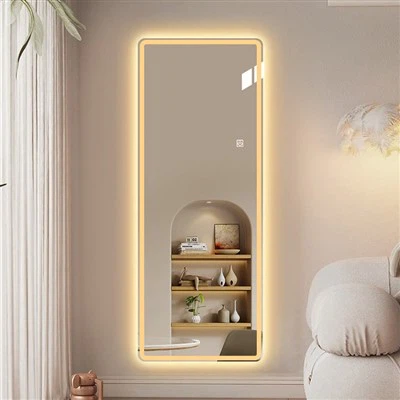
In recent years, the glass industry has experienced significant growth and change. Its market demand and technological innovation continue to push the industry to new heights. As a very versatile material, glass is widely used in construction, transportation, electronics, photovoltaic and many other fields. In the context of global economic recovery, green development and digital transformation, the growth trend of the glass market has shown distinctive characteristics. This paper will conduct a comprehensive analysis of the development of the glass industry from three aspects: market growth trends, main driving forces and future development prospects.
The growth trend of global glass market
The market continues to expand
According to market research institutions, the size of the global glass market is expected to maintain steady growth over the next five years, with a compound annual growth rate (CAGR) of about 6%-8%. This growth is mainly driven by the demand for green buildings, the popularity of electronic products, the application of new energy, and the process of urbanization.
Regional growth distribution
Asia Pacific: As the center of global glass production and consumption, the Asia Pacific region, especially China and India, has seen the most significant growth in demand. The rapid development of the construction, transportation and photovoltaic industries has made the region a major driver of growth in the global glass industry.

European region: The European market's policy support for low-carbon and environmentally friendly materials has accelerated the application and popularization of high-performance glass. High performance glass such as photovoltaic glass, Low-E glass, etc.
North America: Demand for high-end glass products in the automotive and electronics industries has remained stable. Generally, the demand for bulletproof glass and flexible glass is the most stable.
The development of market segments
Building glass: Energy saving and environmental protection is the core theme in the field of building glass. Today's world advocates sustainable development in all fields of development. Therefore, in the field of glass, the demand for Low-E glass, intelligent dimming glass and other products is growing.
Photovoltaic glass: With the popularity of renewable energy, the photovoltaic glass market continues to expand. Studies have shown that it will continue to develop at a double-digit annual growth rate in the next five years.
Automotive glass: With the gradual maturity of autonomous driving technology and the rapid expansion of the new energy vehicle market, the application of glass in the automotive field is undergoing a profound transformation. This transformation is not only reflected in the higher requirements for glass strength and safety, but also further promotes the development and innovation of intelligent and multi-functional glass to adapt to the new technological ecology of the automotive industry.
The main driving force for the glass market growth
Green building and energy saving needs
The global promotion of energy-saving and environmental protection policies has directly promoted the application of energy-saving glass. Building energy consumption accounts for up to 30%-40% of the world's total energy consumption, and through the use of low-radiation glass, insulating glass and solar control glass, the energy consumption of buildings can be significantly reduced.
Policy-driven: Driven by policies, such as China's Green Building Evaluation Standards and Europe's Near Zero Energy Building (NZEB) program. The introduction of these policies requires the use of energy-efficient glass in new buildings.
Market demand: Consumers' demand for high comfort and low energy consumption housing is constantly increasing. It also further promotes the participation of energy-saving glass in the market. I believe that even if not now, in the future more and more people will use energy-saving glass.
Rapid development in the field of new energy
The rapid growth of the photovoltaic industry has brought a lot of convenience to the glass industry. Photovoltaic glass, the key material of photovoltaic modules, is a material with high light transmittance, strong resistance to weathering and high stability. Therefore, it is indispensable for photovoltaic modules.
Photovoltaic installed capacity growth: According to the International Energy Agency (IEA) forecast, by 2030, the global photovoltaic installed capacity will reach several times the current level. This brings huge market demand for photovoltaic glass.
The popularity of double-glass components: compared with traditional single-glass components, double-glass components have gradually become the mainstream because of their higher durability and longer service life, further increasing the demand for photovoltaic glass.
Automotive industry upgrading and intelligent development
At present, new energy vehicles and autonomous driving technology are constantly being promoted, and the functional requirements of automotive glass are also constantly improving.

Safety and strength: Automotive glass pursues safety and strength. This ensures the safety of the driver. Therefore, the demand for explosion-proof glass, bulletproof glass and impact-resistant glass is growing.
Intelligent features: The sensor systems of self-driving cars require highly transparent and interference-free glass. For example, anti-reflection glass, anti-glare glass. Reducing the reflected light makes it easier for the driver to see the information presented on the dashboard.
Lightweight demand: Under the global trend of promoting energy conservation and emission reduction, the automotive industry is turning to more efficient and environmentally friendly design concepts. Especially in the field of new energy vehicles, reducing vehicle energy consumption has become an important goal to improve driving range and optimize user experience. In this context, lightweight high-strength glass is also gradually becoming the preferred material for automobile manufacturers due to its excellent performance and multi-functional characteristics.
Consumer electronics demand for high-end glass
The frequent innovation of consumer electronics products has driven the demand for high-end glass, including ultra-thin glass, flexible glass and cover glass.
Smart phones and wearables: Developments in flexible and foldable screen technology place greater demands on the bendability, transparency and durability of glass. Now many mobile phones are clamshell or folding models, not only the screen of the mobile phone is larger, but also more convenient for people to use.
Optical components: High-performance optical glass is widely used in AR/VR equipment and high-end camera lenses.
Global urbanization and infrastructure development
The global urbanization rate continues to increase and investment in infrastructure construction continues to increase. This directly pushed up the demand for glass.
High-rise buildings: Glass curtain walls and oversized glass Windows have become standard in modern buildings.
Public infrastructure: The demand for glass materials and high specifications for projects such as airports, stations and sports stadiums has led to the rapid development of customized glass products.
Technological innovation enables the glass industry
Technological innovation plays a very important role in the glass industry, which can provide a strong driving force for market growth.
Smart glass technology
Intelligent products such as dimming glass and photoelectric glass are widely used in construction and automotive fields. These glasses have excellent performance, with shading, heat insulation, privacy protection and other functions.
Ultra-thin and flexible glass
Breakthroughs in ultra-thin glass technology have allowed the electronics industry to produce lighter, thinner and more durable devices to power smartphones and wearables.
3D printing and custom production
3D printing technology is being used to produce high-complexity and high-precision glass products to meet the customized needs of glass in industries such as medical and aviation.
Challenges and coping strategies
The market potential of the glass industry is great, but there are also many challenges.

Cost pressure
Energy prices are rising and raw material costs are fluctuating. This makes glass companies face profit compression. Through the continuous optimization of the production process, the recovery rate is also increasing, coupled with the use of green energy, which can alleviate some of the pressure.
Upgrade of environmental protection requirements
Carbon limits will affect the glass manufacturing process. In this regard, enterprises will continue to increase the development and application of green manufacturing technology.
Intensified international competition
With the opening of the international market, enterprises need to enhance their competitiveness through technological innovation, brand building and service upgrading. In the direction of glass manufacturing, enterprises need to continue to improve technology and use more high-tech equipment for glass manufacturing.
Future outlook
The growth of the glass industry will continue to revolve around green, smart and high performance, with key development directions including:
1. Continue to promote the expansion of the photovoltaic glass market and seize the highland in the field of new energy materials.
2. Accelerate the development of intelligent and multifunctional glass to provide higher value-added products for automobiles and buildings.
3. Deepen the concept of green manufacturing and circular economy, and build a sustainable development model.
By adapting to market demand, embracing technological innovation and improving supply chain efficiency, glass companies will be well positioned to compete globally and achieve long-term growth.
Sum up
The current growth trend and driving force of the glass market show the broad development prospects of the industry. For relevant enterprises, in-depth understanding of market dynamics, grasp of technology trends and policy guidance will be the key to enhance competitiveness. In the future, the glass industry will continue to create greater commercial value and social benefits through innovation and sustainable development.