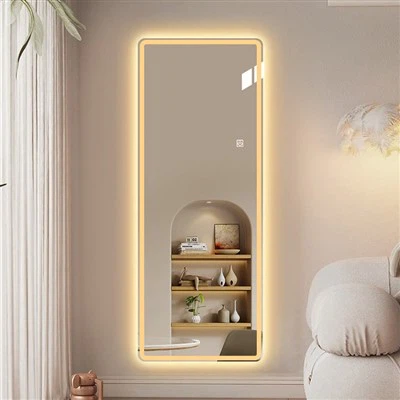
The surface of the anti-reflective glass has a coating that reduces the reflected light on its surface. It not only improves light transmission in visual effect, but also shows many advantages in environmental protection and energy saving. The following describes the environmental protection and energy saving role of anti-reflection glass from energy saving, environmental protection and its specific performance in different application scenarios.
Energy saving effect of anti-reflection glass
· Improve light transmittance and reduce energy consumption
Anti-reflective glass reduces the light reflection of the surface, so that the transmission rate is as high as 96% to 99%. In this way, most of the light passes through the glass, and the light transmittance of the anti-reflective glass is much higher than that of ordinary glass. This characteristic greatly facilitates people's lives in life, and also directly saves energy in many aspects.
Natural lighting: The high light transmission performance of the anti-reflective glass allows more natural light to enter the room. This reduces the need for artificial lighting during the day. Especially in office buildings, residential areas, schools and other places. After the installation of anti-reflective glass in these places that require a large amount of lighting, the power consumption of the lighting system can be significantly reduced.
Reduce light loss: In solar panels, the use of anti-reflective glass can reduce reflection loss, so that more sunlight is effectively absorbed and converted into electricity. Anti-reflective glass can improve the efficiency of solar installations, thereby indirectly reducing the dependence on traditional fossil energy sources.

· Reduce heat loss and improve building insulation performance
Anti-reflective glass is often used in combination with low-radiation glass in multi-glazing or insulating glass systems, which significantly improves energy efficiency.
Reduced heat transfer: In winter, anti-reflective glass can be combined with a low-radiation coating. Through the application of anti-reflective glass coating, indoor heat loss is reduced. The warmth of the interior is also preserved.
Control heat entry: In summer, the characteristics of high light transmission and low heat transfer can prevent outdoor heat from entering the room through the glass. From this point of view, the anti-reflective glass can reduce the work burden of the air conditioning system and reduce the electricity consumption.
· Support the development of new energy
In the field of photovoltaic power generation, the efficient light transmission of anti-reflective glass is crucial to improve the performance of photovoltaic modules.
Increase solar panel efficiency: The surface treatment of anti-reflective glass reduces the reflection loss of light, so that more solar energy is absorbed and converted into electricity. Finally, the efficiency of photovoltaic power generation is improved.
Improved power generation at night: The properties of certain anti-reflective coatings also help capture scattered light, enhancing the performance of solar panels in low-light conditions.
The environmental protection effect of anti-reflective glass
· Reduce light pollution
Light pollution is a common environmental problem in modern cities. By reducing the light reflectivity of the surface, anti-reflective glass can significantly reduce light pollution in the following scenarios.
Urban buildings: Glass curtain walls of high-rise buildings tend to cause "glare pollution" due to strong light reflection. The effect of this "glare pollution" is that the sun is directly in our eyes, so it is easy to pose a threat to the surrounding environment and pedestrian safety. Our eyes can also feel uncomfortable. Buildings with anti-reflective glass can reduce glare reflection, protect the ecological environment and improve living comfort.
Transportation facilities: In places such as highways, airports and railways, vehicles travel very fast. If the light shines through the glass, it is easy to interfere with the driver. It's prone to accidents. In order to reduce the occurrence of such accidents, the use of anti-reflective glass can reduce this phenomenon. It can be said that anti-reflective glass improves traffic safety while reducing the impact of light pollution on the surrounding environment.
· Support the production and recycling of sustainable materials
The manufacturing process of anti-reflective glass is more environmentally friendly than traditional glass, which is reflected in two aspects. One is to reduce the waste of resources, and the other is that the anti-reflective glass is recyclable.
Reduced waste of resources: Through advanced coating technology, the production of anti-reflective glass reduces the waste of raw materials. The energy required per unit of production is reduced.

Recyclability: The structure of anti-reflective glass is usually relatively simple. It doesn't have complex composite materials. Therefore, the recycling rate of anti-reflection glass is also high. This reduces the environmental burden of glass waste. In this sense, it also promotes the sustainable development of cities.
· Reduce greenhouse gas emissions
The energy saving properties of anti-reflective glass directly reduce the demand for electricity in the operation of buildings and equipment, thereby indirectly reducing greenhouse gas emissions.
Building field: The energy consumption of lighting and temperature control in large buildings is relatively high. Anti-reflective glass can not only reduce light reflection, but also use this to reduce the frequency of use of air conditioning inside the building. As a result, the energy consumption in the space is reduced, and the overall carbon emissions are also reduced.
In the field of new energy: the efficiency of photovoltaic power generation devices reduces the dependence on traditional fossil energy sources. This would reduce the burning of coal and oil, as well as reducing carbon emissions. The overall environmental quality is maintained.
Environmental protection and energy saving performance of anti-reflection glass in application scenarios
· Architecture and interior decoration
Anti-reflection glass is widely used in architecture. Whether it is beautifying the space, or improving the energy saving effect, it can do it.
Curtain walls and Windows: Anti-reflective glass is often used in office buildings and homes. Because it can reduce glare and improve lighting efficiency, indoor environment can get a good lighting effect. It also saves a lot of energy.
Indoor separation: When anti-reflection glass is applied to interior decoration, its high light transmission and low reflection characteristics can increase the permeability of the space. At this time, no additional light source is required to achieve the ideal visual effect.
· Solar energy industry
Anti-reflective glass is an important part of photovoltaic panels, and its environmental advantages are reflected in many aspects.
Higher power generation efficiency: Anti-reflective glass in photovoltaic installations improves overall energy conversion efficiency. This can reduce the land occupation area.
Extended service life: Anti-reflective glass is often combined with an anti-fouling or hydrophobic coating. Sometimes we clean the glass is also a very complicated thing. With this feature of anti-reflective glass, the need for cleaning and maintenance is reduced. This extends the service life of the equipment and further enhances its sustainability.
· Electronic equipment
Anti-reflective glass is often used in the screens of electronic devices such as mobile phones, tablets and computers because of its ability to reduce glare.
Energy saving display: Anti-reflective coating reduces light reflection from electronic screens. This makes the display clearer, which reduces the need for screen brightness. The battery also saves a lot of energy.
Eco-friendly manufacturing: Many glass manufacturers also choose sustainably produced materials when making anti-reflective glass. Only materials that meet international environmental standards can promote sustainable development.

· Museums and exhibitions
In museum and exhibition Settings, anti-reflective glass provides a distraction-free viewing experience while protecting exhibits.
Energy-saving lighting: The high light transmission of the anti-reflective glass reduces the dependence on strong light sources and reduces the lighting energy consumption of the exhibition space.
Exhibit protection: The special surface coating of the anti-reflective glass also has the function of shielding from ultraviolet rays. Reducing light exposure slows down the aging process of artifacts and works of art.
The future development direction of anti-reflection glass
Anti-reflection glass has great potential for development in the field of environmental protection and energy saving, and the future may show the following trends.
More efficient production technology: With the development of manufacturing processes, the production of anti-reflective glass will become more energy efficient and less polluting. The equipment will be more advanced.
Combined with smart technology: The combination of anti-reflective glass and smart dimming technology will further improve the energy efficiency of buildings.
Extended application scenario: Anti-reflective glass may be used in more fields. For example, agricultural greenhouses, aerospace equipment and vehicle Windows are used in equipment, and continue to promote the development of environmental protection and energy conservation.
Sum up
Due to its high light transmission and low reflection characteristics, anti-reflection glass has brought significant energy saving and environmental protection advantages for many fields such as construction, photovoltaic, electronic equipment, etc. Anti-reflective glass reduces energy consumption, reduces light pollution and supports sustainable development strategies. Under the trend of global sustainable development, anti-reflective glass will become an indispensable part of future environmental protection and energy-saving materials.