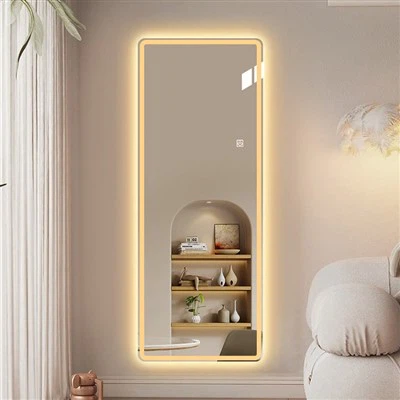
In daily life and work, anti-reflection glass is widely used in various fields because of its characteristics of reducing reflection and improving visual effects. The most common areas are building curtain walls, home appliance displays, museum display cabinets, optical instruments and other fields. Anti-reflective glass factories are also developing rapidly around the world with the growing demand. However, the anti-reflection glass displayed on the market has a wide variety and different specifications, and consumers do not know from which aspects to judge when purchasing. This blog will delve into the characteristics of anti-reflective glass, application scenarios, key technical indicators, and provide practical guidelines from choosing anti-reflective glass factories to selecting products.
The principle and advantage of anti-reflection glass
Before buying anything, the first thing to do is to understand what the product is and how it works. So let's first understand the basic working principle of anti-reflection glass and its advantages. Help you buy better.
The working principle of anti-reflective glass
Anti-reflective glass is coated on the surface of ordinary glass with one or more layers of nano-level anti-reflective coating to reduce the effect of light reflection. This process is also achieved by the principle of light interference and refraction. These coatings can effectively reduce the intensity of reflected light. There is also more light coming through the glass, and the transparency of the glass is improved. Under normal circumstances, the reflectivity of ordinary glass is about 8%, and the reflectivity of treated anti-reflective glass can be reduced to about 1%. This reflectivity is also related to the equipment technology of the plant.

The advantages of anti-reflective glass
Reduce glare: The most significant feature of anti-reflective glass is that it can reduce the light reflection effect. After reducing the glare effect, we can also see objects more clearly through the display.
Improve the visual effect: Anti-reflective glass can also significantly enhance the transparency of the glass, and the display of objects and images will be more realistic and clear.
Anti-fingerprint and stain: In addition to the functions related to light, anti-reflection glass can also be added to anti-fingerprint and stain functions. This feature is generally applied to high-end products. Combined with a hydrophobic and oleophobic coating, anti-reflective glass can effectively reduce the adhesion of stains.
Wide application: From optical lenses to architectural decoration, anti-reflective glass can be applied to almost all scenes requiring high light transmittance and low reflectivity.
The application demand analysis of the purchase of anti-reflection glass
Before purchasing anti-reflection glass, it is also key to clarify its use scenario and needs. This helps us determine the performance requirements and cost budget of the glass.
Architecture and decoration
Curtain walls and Windows: Anti-reflective glass is widely used in the facade of various high-end buildings. It can improve the lighting effect, while reducing the interference of sunlight reflection on the surrounding environment.
Interior decoration: Anti-reflective glass is suitable for Spaces requiring high light transmittance, such as partition glass, decorative mirror, etc.
Display and display
Museums and exhibition halls: Anti-reflective glass can significantly reduce the reflection on display cases. So it is also often used in places such as museums and display cases. The application of anti-reflection glass can improve the clarity of the exhibits, especially suitable for displaying some artworks, cultural relics and so on. Help visitors see the exhibits clearly.
Retail display cases: In the display of high-end goods such as jewelry and watches, anti-reflective glass can enhance the visual effect of the goods. A small application can bring a different character to the product.
Electronic equipment and optical instruments
Display and touch screen: the screens of mobile phones, flat panels, TVS and other electronic products generally use anti-reflective glass. Anti-reflective glass reduces the reflected light of the screen, optimizing our viewing experience.
Optical equipment: camera lenses, microscopes and other optical instruments have high requirements for imaging results. The application of anti-reflective glass can improve the transmittance of glass, but also reduce the reflectivity of glass. Therefore, the anti-reflective glass greatly improves the imaging results of the experiment and the camera.
Solar energy and industrial applications
Solar panels: Anti-reflective glass can improve the transmittance of light, thus improving the efficiency of solar cells.
Industrial equipment: The display window of many precision instruments needs to present some important data. At this time, the application of anti-reflective glass can enhance the accuracy of data reading. It's also easier for people to browse and watch.
Analysis of key technical parameters
When selecting anti-reflection glass, it is necessary to carefully study its technical indicators, which directly affect the performance and applicability of the product.
reflectance
Reflectivity is an important index to measure the effect of anti-reflection, the lower the value, the better the anti-reflection performance. Generally, the reflectivity of high-performance anti-reflective glass is less than 1%. This degree relies on sophisticated equipment and excellent technical teams. The reflectivity of anti-reflective glass like ours can be less than 2%.

transmittance
Transmittance is the percentage of light through the glass, usually higher than 98% of the glass is more suitable for use in displays, exhibition cabinets and other scenes that require extremely high visual effects.
Weather fastness
The coating of anti-reflective glass needs to be stable in the environment such as sunlight and rain. Because the anti-reflective glass is often exposed, the strong weather resistance can better adapt to the changing environment. Anti-reflective glass can be used in solar energy fields and some outdoor buildings.
Coating type
Anti-reflective glass is usually divided into single layer coating and multi-layer coating. Multi-coated glass has lower reflectivity and requires more sophisticated technology. Of course, the cost is relatively high.
processability
When selecting glass, you need to consider whether subsequent processing is required. Such as cutting, punching or bending. This step also needs to confirm the processing adaptability of the glass with the factory.
How to choose an anti-reflective glass factory
Choosing a reliable anti-reflective glass factory is a key step in ensuring product quality.
The technical capability of the plant
High-quality anti-reflection glass factories usually have advanced coating technology and strict quality control capabilities. Check whether the plant has independent research and development capabilities, especially the application of multilayer coating technology. If you have any questions, you can also consult us directly!
Production scale and equipment
The production scale and equipment level of the factory will directly affect the delivery cycle and stability of the product. Large-scale factories often provide more customized services and maintain a stable supply.
Certification qualification
Check whether the factory is certified to ISO 9001 quality management system and other relevant industry standards, such as CE certification, ROHS certification, etc.
Customer stories and word of mouth
High-quality anti-reflection glass factories usually have rich customer cases, such as serving construction companies, electronics manufacturers and so on. The credibility of the plant can be assessed through customer reviews and cooperation cases.
Choose different types of anti-reflective glass
There are several types of anti-reflective glass on the market. Most are divided according to use, performance and cost. When purchasing, we should also make choices according to specific needs.
Single-sided anti-reflective glass: This type of anti-reflective glass is more suitable for scenes that require a single-sided display effect. Such as display cabinets, some electronic equipment, etc.
Double-sided anti-reflection glass: Both sides of the double-sided anti-reflection glass have anti-reflection properties, which is more suitable for applications that require multiple angles of viewing. Something like a touch screen or a transparent partition.

Anti-glare anti-reflection glass: This glass combines anti-glare coating technology, which is more suitable for display screens that require high light transmission and anti-glare.
Anti-fingerprint anti-reflection glass: Anti-reflection glass with anti-fingerprint function is more commonly used in high-end electronic devices, combined with the oil repellent layer can reduce fingerprint residue.
Price and cost effectiveness
Price is an important consideration in the purchase of anti-reflective glass, but it should not simply pursue low prices. The price is appropriate, the glass quality is good anti-reflection glass is the best choice.
Cost structure
The price of anti-reflective glass is mainly composed of glass substrate, coating process, processing complexity and transportation costs. Multilayer coated glass is usually more expensive because of its superior properties. We need to reasonably consider the cost before purchasing.
Cost performance consideration
You need to weigh price and performance when purchasing. For high-end applications such as museums and optical instruments, high performance glass is recommended. For ordinary display purposes, you can choose a more cost-effective single-layer anti-reflection glass.
Practical purchasing advice
· Clear needs: The purchase of anti-reflective glass needs to think about its use. Determine technical parameters based on application scenarios and functional requirements.
· Choose a reliable factory: A good anti-reflective glass factory not only has an excellent technical team, but also will solve your after-sales problems. Please also give priority to the anti-reflection glass factory with rich experience and good reputation. If you need, please contact us!
· Request samples: Before ordering in large quantities, you can request samples from the factory to confirm whether the performance meets the requirements. If you meet your expectations, you can place a large order.
· Pay attention to after-sales service: It is recommended that you choose a glass supplier that provides perfect after-sales support to ensure worry-free follow-up cooperation.