Dichroic glass is a fascinating material known for its vivid color-changing properties. With the development of history, the production process of dichroic glass is also constantly developing. This glass can reflect and transmit different colors of light, giving it a multi-color effect that changes with the Angle of view. Dichroic glass was originally developed for aerospace applications. It is now widely used in art, jewelry, architecture and design due to its unique optical properties. In this article, we will explore the process of making dichroic glass and the principles behind it, as well as various applications.
A brief introduction to dichroic glass
Before delving into the manufacturing process, let's take a look at what makes dichroic glass special. The term "dichroism" derives from the Greek words "di" (meaning two) and "chroma" (meaning color). As its name suggests, dichroic glass takes on two or more colors depending on the light source and Angle of view. The glass is coated with a thin layer of metal oxide. Some wavelengths of light can be reflected by the oxide layer, while other wavelengths of light can also pass through. Therefore, dichroic glass will appear different colors when we view it from different angles.

Dichroic glass is loved because of the specificity of its color display. Especially in some high-end exhibits. The process of making dichroic glass is not that simple. This involves vacuum deposition technology. Delicate machinery is usually required to complete the operation.
Materials used in the production of dichroic glass
Dichroic glass production depends on several key materials. These materials determine the unique optical properties of the final product. And together they create a glass that not only looks beautiful but also lasts.
Base glass: dichroic coatings can be applied to different types of glass. The most common are sodium-calcium glass and borosilicate glass. The choice of base glass depends on the desired application and function.
Metal oxide: The vivid color effect of dichroic glass is produced by depositing microscopic layers on the surface of the glass that are not preserved by metal. Common materials are titanium, aluminum, magnesium, silicon and gold.
Adhesion layer: The durability and adhesion of the metal oxide layer is not as strong. So to strengthen this property, we apply an additional adhesive layer to the substrate glass surface before depositing the oxide layer. The adhesive layer is generally made of silica.
Dichroic glass manufacturing process
Dichroic glass is made by a multi-step process. This involves depositing metal oxide films onto a glass substrate in a highly controlled environment. The key method for producing dichroic glass is vacuum deposition, a technique that ensures the precise application of metal layers. Each stage of the dichroic glass manufacturing process is described in detail below.
Preparation of substrate glass
The process begins with the selection and preparation of the base glass. We start by cutting the glass to the desired size and shape. Then the glass surface should be cleaned to remove the residue on the surface. Any dust and grease on the surface of the glass will interfere with the deposition of metal oxides. Therefore, the glass is usually cleaned with a special solvent and rinsed with ionized water. After washing, we check to see if there is still residue on the glass surface. In some cases, glass may be pretreated with a bonding layer such as silica. To enhance the adhesion of the metal layer to be applied later.
Vacuum deposition process
The core of dichroic glass production process is vacuum deposition. This method allows manufacturers to apply an extremely thin layer of metal oxide to the glass surface in a vacuum chamber. There are many types of vacuum deposition techniques. But dichroic glass is most commonly used by electron beam evaporation or sputtering.
Electron beam evaporation: In this method, an electron beam is used to vaporize a metal oxide, which is then deposited on a glass substrate. The glass is placed in a vacuum chamber where the metal oxide is heated to extremely high temperatures by an electron beam, causing it to evaporate. As the evaporated metal condenses, it forms a thin, uniform layer on the surface of the glass.
Sputtering: Sputtering is another technique used to deposit thin films of metal oxides. In this process, high-energy particles (usually ions) are directed towards the target material (such as titanium or silicon), shooting down atoms or molecules. These atoms then condense onto the glass substrate to form a thin, uniform layer.

In this process, the vacuum environment is very important. Because of the vacuum, pollutants in the air do not interfere with the coating. With a vacuum environment, the coating can be more uniform. This is a necessary environment to produce the desired optical effect.
The layered structure of metal oxides
In order to observe the different color effects of dichroic glass from all angles, multiple layers of metal oxides are deposited on the glass. Each layer is only a few nanometers thick, which is thinner than the width of a human hair. These layers work together to manipulate light through a process called interference.
Interference: When light hits the surface of dichroic glass, some wavelengths of light are reflected, while others are not. The specific wavelength of the reflected or transmitted light depends on the thickness and composition of the oxide layer. The manufacturer controls the thickness of these layers to create different colors of light.
Typically, glass is coated with 15 to 50 layers of metal oxide. This ensures that the colors show the full effect. The most commonly used oxides include titanium dioxide, silicon dioxide and chromium oxide. However, other materials can be used to achieve specific colors or effects.
Heat treatment
After the metal oxide layer is deposited, the dichroic glass also undergoes a heat treatment or annealing process. This step helps to bond the metal layer more firmly to the glass substrate, thereby improving the durability of the dichroic coating. The glass is heated to high temperatures and then cooled slowly to release internal stresses. Annealing also ensures that the layers are uniform and the color effect is displayed consistently.
Quality control and inspection
After heat treatment, dichroic glass goes through a strict quality control process. Each piece of glass is inspected to see if there are any defects such as bubbles. In addition, the optical properties of the dichroic glass are tested to ensure that the glass reflects and transmits the correct colors. Some glass that does not meet quality standards is either discarded or reworked. Only glass that passes inspection can be approved for use in various places. Please believe that our products have passed the quality inspection!
Customization and variation
One of the attractive qualities of dichroic glass is its versatility. By changing the type and thickness of the metal oxide layer, the final appearance of the glass can be customized. Our dichroic glass is also customizable and accessible to those interested.
In addition to color variations, dichroic glass can be further customized by combining it with other glass technologies. Dichroic glass, for example, can be laminated between two layers of clear glass to create a more durable, flowery effect.
Some manufacturers also produce dichroic filters, which can be used for scientific and industrial applications. Dichroic filters filter specific wavelengths of light. These filters are manufactured using similar technology, but their transmission and reflection characteristics are designed to be very precise.

Application of dichroic glass
Art and jewelry
Artists and jewelry makers also often love to use dichroic glass to create stunning works. The color-changing properties of this glass make it an ideal material for eye-catching pendants, earrings and the like. The glass can also be cut, shaped or blended with other materials to create more unique designs.
Architectural glass
In architecture, dichroic glass is used to add visual interest to the building. If our Windows and interior partitions use dichroic glass, then you will see dichroic glass changing color with the Angle of the sun. This dynamic and ever-changing appearance makes dichroic glass a popular choice for modern, innovative architectural designs.
Science and optical applications
Dichroic glass is used in scientific instruments and optical devices because of its ability to filter and reflect specific wavelengths of light. Dichroic filters can be applied to laboratory equipment or some lens lenses. This isolates certain colors or wavelengths.
Decoration and interior design
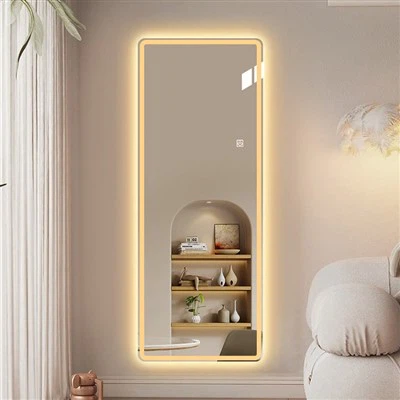
Interior designers use dichroic glass to make some furniture items. Such as mirrors, lamps and other items. When used in a family space, it can also add a touch of elegance and color to the space. The unique optical properties of this glass make it ideal for luxury venues such as hotels, restaurants and high-end retail stores.
Sum up
The process of making dichroic glass is a highly technical and precise engineering that combines advanced materials science and artistry. The result is a beautiful display of dichroic glass. From the initial aerospace technology manufacturing to the application of various art buildings, dichroic glass will continue to emit its own charm and create more surprises.