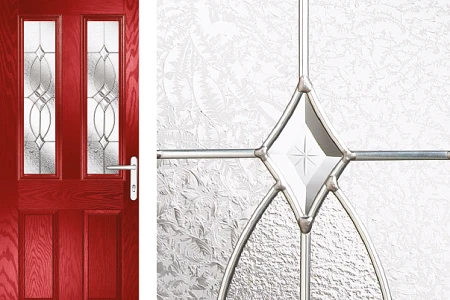
Embossed glass is also known as textured glass. It is widely used in a variety of architectural and decorative applications due to its unique visual appeal, privacy features and light filtering properties. Embossed glass has many advantages. But in some special cases, due to the change of space style or personal needs. We sometimes need to cover or remodel embossed glass. Whether you want to further enhance privacy, reduce light diffusion, or simply give the glass a makeover. This level needs to consider how to cover the embossed glass.
This article explores in depth the different methods of covering embossed glass, the materials used, and the tips for effective implementation. We'll also discuss potential challenges, aesthetic considerations, and technical details to make sure you get what you want.
Why cover embossed glass?
Do you know why they cover the embossed glass? Someone must be wondering about that. Here are some common reasons.
Enhanced privacy: As we mentioned in the previous article, embossed glass has a certain level of privacy protection. However, in private Spaces such as bathrooms and offices, simply relying on embossed glass can not completely block the line of sight. So we need extra covering for the embossed glass.

Aesthetic changes: People's aesthetic is always changing. No one is guaranteed to have the same visual experience. So design trends change and evolve over time. Maybe one day you will stare at the embossed glass and think it is not new enough. At this point you may want to achieve a certain innovative effect by covering embossed glass. The effect of the change may surprise you.
Light control: Embossed glass scatters some light. But you might think that the transmittance of light would need to change. At this point, you may need to darken the glass by covering it or add filters to control the amount of light.
Protection: If you just want to protect the embossed glass, you can also use the practice of covering its surface. Covering embossed glass can effectively prevent its surface damage, scratches or wear. The service life of its surface is well extended.
Energy efficiency: There are coverings that increase energy efficiency by adding insulation to reduce heat transfer through Windows or doors.
Decoration: Covering the entire embossed glass can be a bit cumbersome and not in line with some people's ideas. So many people will cover part of the embossed glass. By adding some patterns and decals to the embossed glass, the effect of increasing the personalized display of the glass can be achieved.
Related Post: "How To Cover Embossed Glass"
Key things to consider before covering embossed glass
When deciding to cover embossed glass, you also need to consider the following aspects. This ensures that your needs are met.
Surface texture: The surface of embossed glass has a certain texture. So coverings may not stick well to their very rough or deeply etched texture. We need to think carefully about the choice of covering. If only a small part of the coverage, then the coverage should not be very good.
Permanent Solutions and temporary solutions: Do you want to cover the embossed glass permanently or just temporarily? For permanent coverage, you may want to consider icing or paint. If it is only temporary, you can consider a removable film.
Transmittance: If you just want to protect your privacy, you don't want to block out the light. You should choose a covering that allows light to pass through.
Material durability: The service life of the selected covering depends on the material. If you want to use it for a long time, it is recommended to choose a type of paint, which has a long life. Films, for example, age over time due to sunlight. However, if you want to change the cover every once in a while, you can also choose a film cover.
Cleaning and maintenance: Coverings that vacuum easily or are difficult to clean may require additional maintenance. If you want to clean easier, you can choose a film type, this gentle wipe can be. Like other materials are likely to trap dust in the gaps.
Use occasion: indoor or outdoor use will also affect the choice of covering. Outdoor glass usually needs some UV resistance and weatherproof effect. Interior glass is less affected by these and may not need to be considered as much on this.
Budget: Cost will be an important consideration for you. Some coverings are relatively inexpensive but may not be as functional. Some costs (such as custom ones) are too high and may exceed the budget.
Method of covering embossed glass
Frosted window film
Frosted window film is one of the common methods of covering embossed glass today. Especially when privacy or light diffusion is needed. These window films are available in a variety of transparency and pattern options, and can be easily attached and removed. This is a good option for most people, and the cost is not high, and will not damage the glass. So frosted window film is very popular.
Application method
First of all, the glass surface needs to be thoroughly cleaned. This step is to remove oil or residue from the surface of the glass. The area of glass to be covered is then measured and the frosted window film is cut to size. Peel off the back of the film and attach to the embossed glass from the edge. Slowly smooth the entire film from the edges to prevent bubbles from forming. If you are worried, you can also use a rubber broom to make sure there are no bubbles or wrinkles. Use a utility knife to trim any excess film.

advantage
Frosted window film has many advantages. For example, it's easy to paste and remove. It can be replaced at any time if you are not satisfied. Very convenient and fast. At the same time, window film allows light to pass through and provides privacy. Window film is also available in a variety of colors and styles. Frosted window film is widely popular due to its low cost.
shortcoming
Frosted window film also has some disadvantages. For example, it does not work with extremely rough or textured patterned glass. If not used properly or exposed to moisture for a long time, it may flake over time. For example, it is easy to be disturbed by water vapor when used on the bathroom partition glass.
Window tint film
Window tinted film is another option for covering embossed glass. Especially suitable for reducing sunlight and heat. They are available in a variety of shades, offering privacy and UV protection. Like frosted window film, it does not block light from passing through.
Application method
Similar to frosted window film, window tinted film requires a clean glass surface. So we have to clean it first. The next steps are basically the same. After all, whether it is frosted window film or window coloring film, it is a kind of film. The application process is basically the same. After cutting it to the right size, gently attach it to the glass. Remember to remove bubbles and wrinkles.
advantage
The advantage of window tinting film is that it can block part of ultraviolet light and reduce glare production. It can also choose a variety of shades to control the light. It plays a certain role in privacy protection. Durable and long-lasting.
shortcoming
Although the window tint film can let the light through, its hue will also change the color of the light. So using it makes the whole space a lot darker. And it may not stick well to heavier textured glass.
Curtain or blind
If you do not want to cover the embossed glass by film, you can also use an additional layer of protection. Curtains, blinds, or blackout curtains are good options. This approach is not permanent, but gives full control over privacy and light levels.
Application method
Install blinds or curtains over Windows or doors. Different types of materials with different functions can be selected according to the environment. You can control light and privacy by opening or closing the curtains.
advantage
An obvious advantage of this method is that it is non-permanent, so it is easy to remove or replace. Provides complete control over light and privacy. Adds a lot of decorative elements to the space.
shortcoming
Although curtains or blinds can regulate light, once closed, they will completely block light. The installation is not as convenient as the film application. Usually the degree of cleanliness is also higher.
Glass paint
Glass paint is a permanent solution. It can completely or partially cover the embossed glass. It allows you to customize the look of the glass, and there are different types of glass paints that can be used to create frosted, opaque, or translucent effects.
Application method
Clean the glass first and tape off areas you don't want painted. Then we use brushes, rollers and other instruments to dip the paint on the embossed glass. Then let dry. During this period, do not touch the embossed glass easily until it is completely dry before touching it.
advantage
The glass paint is customizable and can create effects such as a scrub. Durable and long-lasting.
shortcoming
Because the glass paint is permanent, it is more troublesome to change it in the future. When painting, we should also control the strength, and it needs to be evenly applied.
Sum up
Covered embossed glass can perform a variety of functions. From enhancing privacy to controlling light levels. There are several ways to choose. The methods we have listed are only some of them. You can choose the most appropriate method based on this article. Whether you're doing it on a whim or looking for a permanent makeover, the right approach can help you achieve the desired results. I hope this article has been helpful to your needs.
Related Post: "Types Of Embossed Glass"