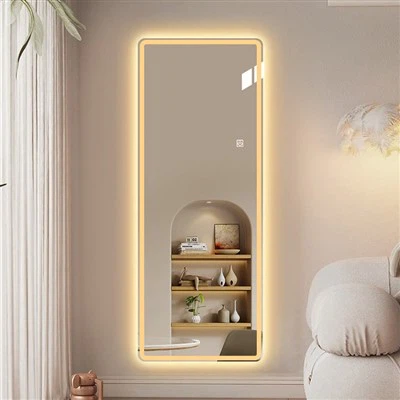
From ancient polished obsidian to today's high-tech smart mirrors, reflections play a role in them. They are not only tools for personal grooming, but also carriers of science, art and technology. As we approach 2025, advances in materials science, augmented reality (AR) and sustainable manufacturing technologies are reshaping the mirror industry.
A Brief History of Mirrors
Ancient Origins (6000 BC-1st century AD)
The earliest known mirrors date back more than 6,000 years. They were not made of glass, but polished stone, especially obsidian. Found in areas such as Anatolia (now Turkey), these volcanic glass mirrors were limited in clarity and size, but still had practical uses.

The Emergence of Glass Mirrors (1st century AD-17th century AD)
The Romans were one of the first peoples to create glass mirrors by coating blown glass with molten lead. However, these mirrors were blurry and fragile. The modern mirror as we know it originated in Venice in the 16th century, when craftsmen invented a process to coat the back of glass with mercury and tin, which produced a clearer reflection.
Industrial Revolution and Mass Production (18th - 20th Century)
In 1835, German chemist Justus von Liebig invented the silvering process, which revolutionized the mirror manufacturing industry. By depositing a thin layer of silver nitrate on the glass, factories could mass-produce high-quality mirrors. This innovation paved the way for mirrors in homes, vehicles, and scientific instruments.
Modern Mirror Technology: Key Innovations
Smart Mirrors
Today's mirrors not only reflect light, but are also interactive. Equipped with touch screens, voice assistants, some real-time temperature, and more. This smart mirror is also gradually changing our lives:
Retail and Fashion: Many dressing mirrors in shopping malls are now ordinary mirrors. Although they can show personal outfits, they feel something is missing. Some stores have virtual try-on mirrors that allow customers to see the effect of clothing or makeup without actually wearing them. The emergence of smart mirrors makes our lives more convenient.
Healthcare: AI-powered dermatology mirrors can analyze skin conditions and recommend treatments.
Smart Home: Smart mirrors can be used in our homes to make our lives easier. For example, voice-activated bathroom mirrors can display weather, news, and health indicators. Mirrors with anti-fog features will also make it more comfortable to look in the mirror after taking a shower.
By 2025, I think mirrors will be further integrated with AI-driven personalization features, such as mirrors that can adjust lighting based on skin color or recommend outfits based on calendar events.
Energy-saving and environmentally friendly mirrors
As people pay more attention to environmental issues, many mirror manufacturers are adopting more environmentally friendly practices.
Low-E coatings: Reduce heat transfer and improve building energy efficiency.
Recycled glass and lead-free backings: Eco-friendly alternatives to traditional mirror materials.
Solar mirrors: Used in concentrated solar power plants (CSP) to harness renewable energy.

By 2025, sustainability will become a major selling point for major buyers, especially in the construction and automotive industries.
Anti-fog self-cleaning coatings
The most common problem with mirrors is that they tend to fog up after showering or need to be cleaned frequently. It is more convenient to buy a mirror with anti-fog coating. You can turn on the anti-fog system after each shower, so that it can be automatically defogged. Because of the convenience of this function, more and more hotels and spas are using this anti-fog mirror.
Global Mirror Market Outlook
The global mirror market is expected to grow steadily in 2025 and beyond. The main driving factors include:
Urbanization: The demand for indoor solutions that enhance space is growing.
Real estate expansion: The construction industry in residential, hotel and commercial sectors is booming.
Smart home: The penetration rate of smart devices is increasing.
Luxury and wellness trends: People are increasingly interested in home spas and stylish bathrooms.
Design innovation: Mirrors are a core decorative element in minimalist and modern design styles.
Market trends by region
North America and Europe: The demand for high-tech, sustainable and fashionable designs is growing.
Middle East and Asia Pacific: The demand for customized and large mirrors in luxury hotels and residential projects is growing.
Latin America and Africa: New construction and rising disposable income drive growth.
Mirror Industry Trend Outlook 2025
Looking ahead to 2025, the following trends will shape the mirror industry.
1. Integrated smart features
Voice control, motion sensors, touchscreen functionality, and AI personalization will become standard for high-end models. Mirrors will also become smarter.
2. Multifunctional mirrors
Mirrors will be combined with cabinets, shelves, lighting panels, or hidden storage spaces, especially for small urban spaces. This form greatly saves space and improves space utilization, making the entire space cleaner and tidier.

3. Frameless minimalist design
The stylish frameless design complements modern interior design and will become the mainstream of the product catalog. Compared with the framed design, the frameless design is more versatile and simple. It can adapt to various room styles without making people feel abrupt, simple and advanced.
4. Anti-fog and anti-scratch coating
Functional enhancements that improve user experience and product durability will become increasingly popular. Adding anti-fog and anti-scratch functions to smart mirrors can better maintain the life of the mirror and make the mirror last longer.
5. Custom sizes and modular panels
Flexible size options, especially for commercial projects, will be crucial. Our factory also accepts customized services, please contact us if you have any needs! Modular mirror walls are gaining more and more attention in retail and hospitality design.
Summary
From polished obsidian to smart panels that can connect to apps, mirrors have come a long way. As 2025 approaches, they are no longer just passive reflectors, but active participants in our daily lives, home environments, and personal aesthetics.
For international buyers, staying ahead of the curve in this evolving industry means sourcing from manufacturers who combine tradition with innovation and understand design trends and technological advances. Mirrors are no longer background, but focal points. Let them reflect the future.