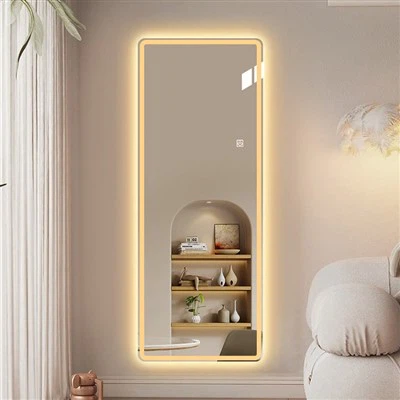
Glass, a seemingly simple material, is actually everywhere in our daily lives. From glass bottles and windows to screens of electronic devices and applications in commercial places, glass can be said to cover a variety of industries. With the continuous advancement of technology, the glass industry is also experiencing continuous innovation and change. From production processes to sustainable development, the glass industry is moving towards a more intelligent, green and multifunctional direction.
As 2025 is approaching, the innovation trend of the glass industry is gradually emerging. This article will take a deep look at several major innovation areas of the future glass industry, analyze how technological progress will drive changes in the glass industry, and how these changes will affect our lives.
The intelligent development of glass
The rise of smart glass
Smart glass is a responsive glass material that can automatically adjust its characteristics according to changes in the environment. This glass can provide more functions in different applications, such as automatic adjustment of transparency, temperature control, etc.

When smart glass is applied to smart windows, smart windows can also automatically adjust transparency according to changes in external light. This can maintain indoor temperature, reduce the use of air conditioning or heating, and reduce energy consumption. The smart glass of the future will be more flexible and able to integrate more functions. For example, embedded displays, sensors and communication modules make glass a smarter part of home and office spaces.
Another important application of smart glass is in the automotive industry. Now that autonomous driving technology is advancing, car windows are not only a tool to provide a clear view, but also a display interface. Augmented reality (AR) displays can be embedded in car windows to provide navigation, weather information and other content. In addition, smart glass can also adjust the light in the car to provide a comfortable riding experience.
Application of transparent electronic technology
With the development of transparent electronic technology, glass is expected to no longer be just a passive structural material, but an active functional component. Breakthroughs in technologies such as transparent conductive films and transparent optoelectronic materials enable glass to carry more electronic functions. For example, transparent touch screens, solar glass and transparent displays will become important application areas for smart glass in the future.
This transparent electronic technology can not only enhance the functionality of glass, but also promote innovation in the construction industry. For example, future buildings may use large areas of transparent solar glass windows, which not only provide lighting, but also absorb solar energy and convert it into electricity, helping buildings achieve self-sufficient energy supply.
Innovation of glass production technology
New production technology: 3D printing glass
Now that 3D printing technology is constantly developing, the production method of glass is also undergoing revolutionary changes. Traditional glass production methods usually require high-temperature melting and molding through molds, which consumes a lot of energy. 3D printing technology can quickly produce complex glass products through precise control. It reduces production costs and reduces material waste.
Through 3D printing, manufacturers can produce glass products with more complex shapes and structures. For example, customized glass shells, glass artworks, etc. These can be achieved through 3D printing technology. This technology not only improves production efficiency, but also provides greater creative space for glass design.
Design and manufacturing of microstructures
In recent years, microstructure design technology has been gradually applied to glass production. This technology can give glass more functions by precisely controlling the microstructure on the surface or inside of the glass. For example, anti-reflective coatings can make the glass surface clearer and more transparent. Anti-fouling coatings can make the glass surface less susceptible to dust and water stains, and some glass surfaces are even specially designed to have self-cleaning functions.
In addition, the design of microstructures can make the glass have higher strength and durability. For example, some microstructures can disperse pressure when the glass is impacted. This indirectly protects the glass itself. These technological breakthroughs will undoubtedly drive the glass industry towards higher performance and longer life.

Sustainable development of glass
R&D of environmentally friendly glass
Against the backdrop of increasing global environmental awareness, the glass industry, including the glass industry, is constantly transforming towards sustainable development. With increasingly stringent energy consumption and environmental regulations, the production of environmentally friendly glass has also become an important direction for the development of the industry.
Many companies have already developed low-energy glass, which can effectively isolate heat sources and reduce energy consumption for air conditioning and heating. Low-energy glass has also played a significant role in energy conservation and emission reduction. In addition, the recyclability of glass has always been a highlight of sustainable development. Compared with other building materials, the recycling rate of glass is very high, and it can be almost completely recycled and reused, becoming a green building material.
In the future, the glass industry will further promote the research and development and application of "green glass". For example, low-carbon production processes and glass manufacturing technologies using renewable energy will further reduce carbon emissions in the production process. At the same time, the green development of glass actually focuses on its energy efficiency and environmental protection in areas such as construction.
Prospects of photovoltaic glass
Photovoltaic glass refers to glass materials that combine glass and solar cell technology. In the future, photovoltaic glass will play an important role in the construction industry, the automotive industry, and other fields. In the construction industry, photovoltaic glass can be used as a component of the building facade to convert solar energy into electricity to support the energy needs of the building. Today, technology is constantly developing, and glass production technology is also constantly improving. The conversion efficiency of photovoltaic glass has also been improved. The price has also slowly dropped, making this technology possible in a wider range of applications.
In the automotive industry, photovoltaic glass will also become an important part of future electric vehicles. By integrating solar cells into car windows and roofs, electric vehicles can use photovoltaic glass to provide additional power to the on-board system and battery, extending the driving range.
Green production process
In addition to the innovation of glass itself, environmental protection technology in the glass production process is also constantly improving. Many glass manufacturers are working hard to achieve green production, which reduces the impact of glass production on the environment. For example, adopting lower energy consumption melting technology and using natural gas instead of coal to reduce carbon dioxide emissions. Even developing and utilizing waste glass for reproduction are important steps to promote the green development of the industry.
The transformation of glass in architecture and home design
The future of glass architecture
In the construction industry, the application of glass materials has developed from traditional window glass to an important component of the building facade. With the advancement of technology, the facades of buildings in the future will no longer be just decorative glass, but a complex that integrates beauty, energy saving, intelligence and sustainability.

For example, architectural glass will not only be used for the design of windows and doors, but the facades of buildings in the future will use more large transparent glass walls. Glass can even be combined with solar panels to achieve the conversion of light energy. At the same time, the application of smart glass will enable buildings to automatically adjust the internal temperature, humidity and light according to weather changes, providing a more comfortable and energy-saving living environment.
Popularity of glass home products
As people's requirements for the comfort and aesthetics of the living environment continue to increase, the application of glass in home design is becoming more and more extensive. In addition to traditional glass windows and doors, more glass furniture, decorations and wall designs have appeared in modern homes.
Transparent glass tables, glass bookshelves, glass partition walls, etc. have become common elements in many homes and office spaces. The transparency and glossiness of glass can add more layers and modernity to the space. In the future, with the emergence of smart glass and new glass materials, the application of glass in home design will be more diversified and functional, and even the transparency, color or pattern can be adjusted according to user needs, becoming an important part of personalized customization.
Conclusion
2025 is coming, and the glass industry will usher in an unprecedented wave of innovation. From intelligent glass to green and environmentally friendly production processes, from the application of 3D printing technology to breakthroughs in microstructure design. The future of the glass industry is full of infinite possibilities. Innovation will not only promote the development of glass technology, but also profoundly change our lifestyle. Whether in the fields of architecture, transportation, home or electronic products, glass will play an increasingly important role.
As society's demands for the environment, energy and intelligence continue to increase, innovation in the glass industry is bound to develop in a more efficient, green and intelligent direction. In the future, glass will no longer be a single-function material, but an intelligent system with multiple functions. With the continuous advancement of technology, we have reason to believe that glass will play a more important role in future life and become a perfect fusion of technology and aesthetics.