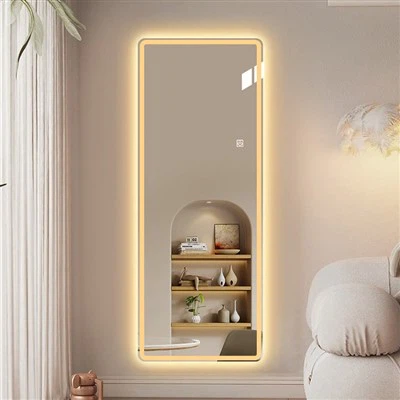
In the field of modern design, the application of glass materials is no longer limited to windows, mirrors or simple glass tabletops. With the continuous development of technology, more and more innovative glass materials are used in various designs. Ultra-white glass highlights its unique charm. Ultra-white glass has gradually become an important element in architecture, interior design and home decoration due to its excellent visual effects and unlimited design potential.
This article will take you to understand the unique properties, visual effects and wide application and potential of ultra-white glass in design. We will share some design cases of ultra-white glass and explore its advantages in architectural appearance, interior decoration and other aspects. I hope to help you better understand how ultra-white glass shines in various designs.
What is ultra-white glass?
Ultra-white glass is a special type of low-iron glass. Compared with ordinary glass, its iron content is very low. This is why it can present a more transparent and clear visual effect. Ordinary glass often presents a green or gray tone due to the presence of iron. Ultra-white glass has almost no such color deviation. It has higher light transmittance and purer visual effects. Its transparency can reach more than 91%, which greatly improves visual clarity and color reproduction.

The production process of ultra-white glass is similar to that of ordinary glass, but special technology is added in the selection and melting of raw materials. This makes the finished glass not only maintain the strength and durability of the glass itself, but also greatly improves its visual effect. This technological breakthrough has made ultra-white glass an important trend in the construction and design industry.
Visual effects of ultra-white glass
Excellent transparency and clarity
The most prominent feature of ultra-white glass is its extremely high transparency and clarity. Compared with ordinary glass, ultra-white glass has stronger light transmittance and almost no color interference from light. This means that whether under natural light or artificial light, ultra-white glass can present the most realistic colors and the most delicate details.
This high transparency makes ultra-white glass particularly suitable for occasions where accurate color reproduction is required. For example, art display, product display, museum display, etc. Whether it is displaying a painting or a piece of jewelry, ultra-white glass can minimize the impact on color. Restore the true color of the object itself, making it more visually attractive.
Pureer visual experience
Ultra-white glass has no color difference and is very transparent. Ordinary glass has a light green or blue tint, which will affect the true color of the object to a certain extent. It may even affect the light atmosphere of the interior space. Ultra-white glass has almost no color deviation, so it is more popular with designers. This feature makes ultra-white glass widely used in high-end homes, art displays and commercial fields.
No reflection or less reflection
Another major advantage of ultra-white glass is its low reflection property. This feature is similar to anti-reflective glass. They can both reduce the amount of light reflection. Ordinary glass will produce obvious reflection under strong light, which will affect its transparency and aesthetics. However, due to its subway content, ultra-white glass has less surface reflection, and light can pass through the glass into the space. This makes the entire space brighter and more open. Ultra-white glass has the illusion of increasing the size of the space. This is achieved by its high transparency.
Enhanced color reproduction
Ultra-white glass has a much better color reproduction ability than ordinary glass. Its high transparency and low color difference ensure that the color reproduction is more accurate and realistic. This feature makes ultra-white glass an ideal choice for modern homes, commercial spaces and exhibitions. In modern design, the choice and matching of colors are often the key to space design. Therefore, the high reproduction performance of ultra-white glass provides designers with a wider creative space and enhances the overall effect of the design.

Design potential of ultra-white glass
Application in modern architecture
With the continuous evolution of architectural design concepts, more and more architects are seeking innovative materials to express the modern and futuristic sense of architecture. Ultra-white glass has become one of the indispensable elements in modern architectural design due to its excellent transparency and clarity. Using ultra-white glass in building facades, windows, sun rooms and other locations can maximize the introduction of natural light, increase the brightness of the room, and maintain the privacy of the space.
In addition, the unique visual effect of ultra-white glass on the exterior of the building also provides architects with more creative space. Ultra-white glass can make the facade of the building more transparent and clean. This also avoids the green or blue tones brought by traditional glass, thus adding a sense of purity and modernity to the architectural design. Its transparent properties also make the appearance of the building smoother and the lines clearer. It gives people a sense of simplicity and clarity.
Innovative application in interior design
In most interior designs, the appearance of ultra-white glass itself is part of the design. As a visually light material, ultra-white glass can bring a more transparent and open sense of space, which is particularly important for modern home design. Ultra-white glass injects a lot of fresh and modern atmosphere into the interior space. Whether it is a living room, bedroom, kitchen or bathroom, ultra-white glass can blend harmoniously with the surrounding environment.
For example, in a modern kitchen, the use of ultra-white glass cabinet doors can make the kitchen look neater and more spacious. At the same time, the easy-to-clean nature of the glass surface also makes the kitchen more hygienic. In the bathroom, the non-reflective effect of ultra-white glass can effectively avoid the interference of mirror reflections and create a more peaceful and relaxing atmosphere.
Application in furniture design
Ultra-white glass is not limited to architecture and interior design, and its application in furniture design is also becoming increasingly popular. Modern furniture design pays more and more attention to simplicity and high-end feeling, and ultra-white glass is an important material to achieve this design style. It can create simple, transparent and streamlined furniture shapes, and perfectly integrate with other materials (such as metal, wood, marble, etc.), enhancing the modern and artistic sense of furniture.
For example, in the design of furniture such as desks, dining tables, and coffee tables, ultra-white glass is often used as a tabletop material. Its smooth and transparent surface makes the whole furniture more modern while retaining elegance. In some high-end custom furniture, ultra-white glass is also often used as a decorative panel. Through the transparency of the glass, the furniture itself has a more layered and three-dimensional sense.

Application in art and display
Ultra-white glass is also often used in the fields of art display and museum display. Artworks and exhibits often require the most realistic and delicate effects. Ultra-white glass, with its high transparency and high color reproduction, shows the details of the work to the greatest extent. This allows many viewers to see the truth of the work itself. In addition, the low reflectivity of the ultra-white glass surface can reduce the visual interference of the display space, allowing the audience to focus more on the exhibits themselves.
Summary
Ultra-white glass, with its excellent transparency, no color difference and low reflection characteristics, has shown great advantages in visual effects and design potential. Whether in modern architecture, interior design, furniture design, or in art exhibitions. Ultra-white glass can provide designers with a broader creative space and help achieve more beautiful and modern designs. Its appearance has not only changed the application of traditional glass materials, but also brought new ideas and inspiration to the design industry.
In the future, with the continuous advancement of glass technology, the application of ultra-white glass will become more extensive. Perhaps there will be many more areas of application than now. For designers, mastering the characteristics and application skills of ultra-white glass will become an indispensable part of their creation. Help them give full play to their advantages in design and achieve a higher level of visual effects and design innovation.