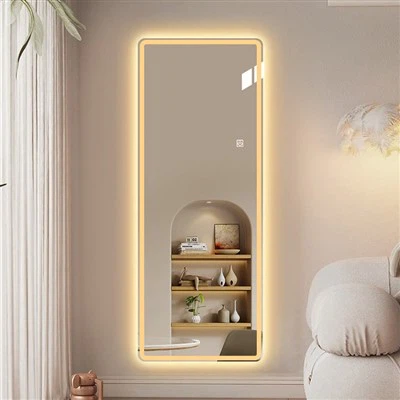
Glass art is an art form that combines arts and crafts with material science. Through the unique nature of glass and the creativity of the artist. It can transform transparent, translucent or opaque glass materials into visually striking works of art. The art of glass originated in ancient times and developed over thousands of years. A variety of techniques and styles evolved. It is now widely used in architecture, sculpture, decoration, daily necessities and modern art installations. Today, glass art is not only the embodiment of visual aesthetics, but also the display of innovative technology.

The historical development of glass art
The use of glass dates back to around 3000 BC. In a previous article, we mentioned that the earliest glass products were found in ancient Egypt and Mesopotamia. Originally, glass was used to make beads, containers and ornaments. With the continuous progress of The Times, science and technology continue to develop. The glass blowing technique in ancient Rome brought the glass art into a new stage. This technology has made glass a common material in everyday life, used to make Windows, utensils and decorations.
In the Middle Ages, church stained glass windows in Europe became an important symbol of glass art. By using metal oxides, artisans were able to create rich colors. And assembled the stained glass into intricate patterns and religious scenes. During this period, stained glass became an important medium of religious and artistic expression. We can see the biblical scene in the window, which undoubtedly represents a sacred and joyful atmosphere. Those interested can search Our Lady of Wells Cathedral. Its Windows are richly decorated with stained glass. By 1900, stained glass in the United States had begun mass production, and almost everyone could buy it.
During the Renaissance, glass art reached a new peak. Especially in Venice, Italy. The glassmakers from Murano are renowned for their exquisite blown glass and sculpting techniques. The glass art of this period not only reflects the exquisite craftsmanship, but also integrates the aesthetic thoughts of the time.
In the 20th century, glass art gradually shifted from practical function to pure artistic expression. Especially under the promotion of modern art, glass has also become one of the main materials of sculpture and installation art. Many artists use glass as a material to express abstract concepts, emotions and ideas. Glass art has thus entered a wider field.
Glass art production process
The production process of glass art is rich and diverse, and each process has its own unique characteristics and applications. The following are several major glass art making processes.
Glass blowing
Glass blowing is one of the most traditional glass processes and one of the most expressive. By heating the glass, the artist reaches the melting point, and the glass becomes soft and plastic. It is then blown into various shapes with a blow pipe. This process can produce anything from simple glasses to complex sculptures. The glass blowing process requires the artist to be extremely skilled. Because glass cools and hardens quickly during blowing. The process is rigorous and delicate. The process needs to be quick and precise.
One of today's master glassblowers is American artist Dale Chihuly, who has created world-renowned works such as Pacific Sunshine (2011) and later Glass House Sculpture (2012) at the Chihuly Glass Art Garden in Seattle.
Fused cast glass
Fusion-cast glass is a process by which glass is heated to its melting point. Then pour into the mold molding process. This technique originated in ancient times. It allows fine details and complex shapes to be made. It is often used in sculpture and decorative art. A variety of colors and textures can be used for fused cast glass. Through the combination and layering of different glasses, a rich visual effect can be created. This kind of glass is mainly used in art production, decoration production, architectural decoration or industrial fields. Although the cost is a little high, the unique vision it shows is also irreplaceable.

Stained glass
In the previous history of the development of glass, colored glass has been mentioned. Stained glass is widely used in architecture and religious sites, especially medieval churches. Stained glass is made by dyeing and cutting the glass into different shapes, and then joining these stained glass pieces together by lead strips. Eventually forming a specific pattern or image. The most famous example of stained glass art is the stained glass Windows in Gothic churches in Europe. These colored Windows often depict biblical stories, religious symbols, and intricate geometric patterns. When used in a cathedral, it can show a solemn atmosphere.
Glass cutting
Glass cutting is the process of carving a pattern or texture on the surface of glass by physical or chemical means. Common cutting methods include acid etching and sand carving. Acid etching The use of strong acids to etch the surface of glass to create a matte effect. Sanding is the process of engraving glass by spraying sand particles at high pressure. These methods are often used to make high-end glassware, mirrors, and ornaments.
Secondly, there are many kinds of glass characterization. Such as bas-relief cut, deep relief cut, as well as frosted cut and color cut. The first two methods are carved deep and shallow on the glass surface. The third is to grind the glass surface to a matte or translucent effect, and then carve on this basis. The last is to add color to the engraved pattern by means of paint, pigment or coating.
Glass welding
Glass welding is the fusion of glass pieces of different colors and shapes at high temperatures. It makes them flow and fuse together to form a whole. In this way, various colors of glass can be combined to create beautiful patterns and shapes. Fused glass is often used to make jewelry, ornaments and decorative panels.
Application field of glass art
Glass art is not only limited to artistic creation, but also has a wide range of applications in architecture, decoration, furniture design and other fields.
Architectural decoration
Glass art occupies an important position in architectural decoration. Such as the famous stained glass Windows, glass sculptures and various decorative glass panels. In modern architecture, glass curtain walls, glass zenith and glass stairs and other structures often incorporate artistic glass elements. It not only enhances the visual effect of the building, but also improves the quality of light in the space.
Interior design
In interior design, glass art is used to make decorations such as partitions, doors and Windows, lamps and furniture. In particular, stained glass and carved glass can add a unique artistic atmosphere to the space. You can use stained glass in your home decoration, it must be very attractive. It can also be used in hotels, restaurants and other areas to show a specific style. It's also very impressive. Like glass mirror, glass tabletop, glass decoration are more common elements in interior design.
Jewelry and jewelry design
Glass materials also have some applications in jewelry and jewelry design. In particular, colored glass jewelry made by the welding process. These glass jewelry are highly prized for their bright colors and unique luster. Artists can create unique art jewelry by combining different colors and shapes of glass.
Modern art installation
Modern artists use glass in large art installations and sculptures. It can use its transparency, reflection and refraction to create a unique light and shadow effect. Glass art installations often have a strong visual impact. It can create a dynamic visual experience through the interaction of light and color.

The aesthetic value of glass art
The aesthetic value of glass art lies in its diversity and expressiveness. Transparency is the most significant quality of glass, it allows light to penetrate and reflect, creating a sense of lightness and space. The combination of different colors, textures and thicknesses of glass can present a rich light and shadow effect. The glass art has a unique visual charm.
In addition, the material of glass itself has a certain vulnerability, which adds a fragile but beautiful quality to the art work. The artist is able to transform this fragile material into beautiful works through fine manipulation and skill. It shows the intimate relationship between glass and artist.
Future trends in glass art
With the development of science and technology, glass art will continue to develop and innovate. Various new technologies such as laser engraving, 3D printing and nanotechnology are constantly being incorporated into the glass making process. It makes the glass art creation more fine and complex. At the same time, the production of glass art does not forget to follow the concept of environmental protection. Many artists explore the possibility of glass recycling. Persist in promoting the development of green art.
Conclusion
Glass art, as an art form with a long history, has always occupied an important position in modern art. Its unique material, craftsmanship and aesthetic value are irreplaceable. In modern art and architectural applications, glass art shows endless potential and creativity. Hopefully, glass art will continue to bring us amazing works in the future.