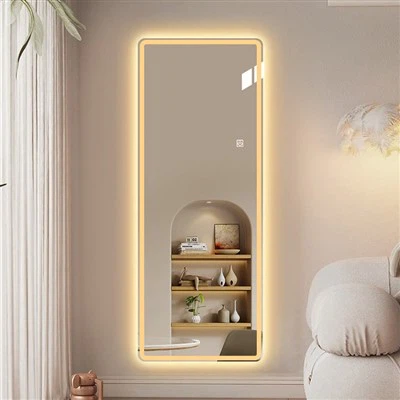
Reflective glass, also known as coated glass or low radiation glass. A building material made by adding a thin film of metal or metal oxide to a glass surface. This glass can effectively reflect the sun's rays, reducing heat transfer. At the same time, it can reduce the temperature of the room and maintain a comfortable atmosphere. And reflective glass can provide a certain visual privacy effect. Reflective glass is used in both construction and industry. Especially in the field of modern energy-saving buildings more widely used. This article will introduce in detail the use of reflective glass, advantages and its wide application in construction, automotive, electronics and other industries.
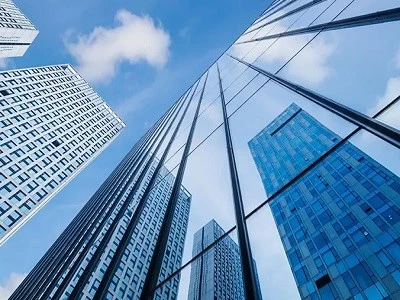
The use of reflective glass
Reflective glass has a wide range of uses, especially in the field of construction and transportation. It has many functions. Its main functions include thermal insulation, shading, energy efficiency and aesthetic decoration.
Architectural field
All glass is basically used in architecture. Reflective glass is no exception. Reflective glass is also the most common in the construction industry. Especially in high-rise buildings and office buildings can be widely used.
The main uses are as follows:
Building exterior wall: Reflective glass is often used as the exterior wall curtain wall of a building. Because it can effectively reflect sunlight. Reduces the frequency of solar radiation entering the room. This allows the building to maintain a lower room temperature during the summer months. This can also reduce the use of indoor air conditioning, thereby reducing energy consumption. The use of reflective glass for the exterior wall not only enhances the modern feel of the building, but also improves the energy efficiency of the building. On the whole, reflective glass not only has a decorative effect, but also has practicality.
Window glass: Reflective glass is widely used in commercial and residential building window glass. It can not only play a role in shading, but also keep the brightness of the room. Because the reflective glass does not block the line of sight through, it can bring a bright feeling. Compared with traditional glass, reflective glass is more effective in blocking ultraviolet rays and some infrared rays. Long-term use of reflective glass can effectively protect indoor household items from oxidation and fading.
Glass roof: There are some high-grade or special buildings will use large glass as a roof. Such as shopping malls, exhibition halls, botanical gardens and other places. Most of them have glass roofs. In this case, it is necessary to pay attention to the selection of glass. Reflective glass works well as a roof. Because it can help reduce the entry of thermal radiation, so as to maintain the temperature comfort inside the building. In the rational use of natural light at the same time, but also to ensure the experience of visitors.
Automobile industry
Reflective glass also has some applications in the automotive industry. Mainly reflected in the windows and roof glass.
Car windshields: Reflective glass is used in car windshields and side Windows. It also reduces solar radiation entering the car. In a high temperature environment, the temperature inside the car can maintain a certain degree of comfort. We also know that if you park on the side of the road in hot conditions, you must open the window. The temperature in a car rises very rapidly.
When we are usually driving, we can use reflective glass to reduce a certain amount of heat, which can also reduce the use of the air conditioning system in the car. This in turn improves the fuel efficiency of the vehicle. It also ensures the safety and comfort of the occupants of the vehicle.
Car sunroof: Now many car sunroof also love to use reflective glass. The idea is similar to a windshield. Can reflect a certain amount of sun rays, and then prevent the temperature inside the car from getting too high. At the same time, the reflective glass will not block the line of sight through, so it can also provide a good view. Enhance the beauty and comfort of the car.
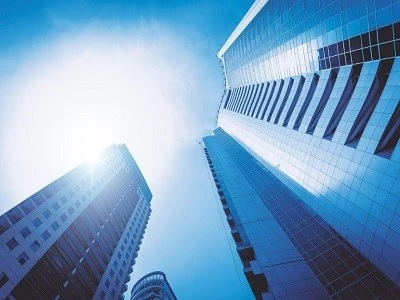
Electronics and optics
The application of reflective glass in the field of electronics and optics is more and more common than before. Before, the technology was not so developed, and many fields had ideas but could not be realized. Nowadays, especially in the fields of display equipment and optical instruments, the application of reflective glass is very common.
Display anti-glare: In modern electronic devices, reflective glass is used to make the anti-glare layer of the display screen. Especially computers, tablets, and mobile phone screens. Are the electronic devices commonly used in our lives. The use of reflective glass can effectively reduce the light reflected by the screen and enhance the visual experience.
Optical equipment: In cameras, microscopes and other optical equipment, reflective glass can help control the reflection and transmission of light. Enhanced imaging quality. To ensure the accuracy of the experimental results.
Decorative use
Reflective glass also plays an important role in interior decoration and architectural design. Reflective glass can create different visual effects by reflecting light, and is more used for walls, doors and Windows and furniture decoration, enhancing the modern sense of space and a sense of technology.
The advantages of reflective glass
The reason why reflective glass has so many applications in various fields is that it has good characteristics and advantages in all aspects. The following is mainly about the advantages of reflective glass.
Superior heat insulation
The main and biggest advantage of reflective glass is its excellent thermal insulation performance. Because its surface is coated with a reflective layer, it can effectively reflect the infrared and ultraviolet rays in the sunlight, thus reducing the entry of outdoor heat sources. You may not feel anything in the winter, but if you feel it in the summer, it is more obvious. It helps keep buildings cool and reduces the frequency of air conditioning. It can also reduce energy consumption and achieve the purpose of energy saving and environmental protection.
Improve privacy
Reflective glass has a certain one-way perspective. Although it is not better than one-way glass, the performance of reflective glass is also quite good. It can effectively block part of the external line of sight during the day. People outside can't easily see what's going on inside. But the person inside can clear the environment outside. This characteristic makes reflective glass very popular in places where privacy is required. Like office buildings, hospitals, some residential can be used.
Reduce glare
When ordinary glass is exposed to strong sunlight, it is easy to produce glare effect. It's easy to lose sight of what's in front of you. Reflective glass can also reduce this glare. It can reflect most of the direct light, making the indoor light more soft. Especially suitable for office environments, schools, shopping malls and other places that need long-term artificial lighting.
Strong UV resistance
Reflective glass can effectively block the sun's ultraviolet rays. This helps prevent UV damage to indoor objects. Such as carpets, curtains, floors and other items that have been exposed to the sun for a long time. Are protected from some UV damage. Extended the service life of household items. In addition, reflective glass can also play a certain protective role in human health and reduce excessive exposure to ultraviolet rays.
Aesthetic decorative effect
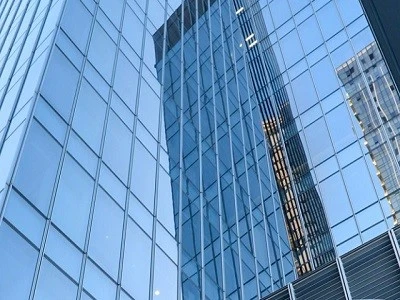
Reflective glass not only has functional advantages, but also has decorative effects in appearance. The surface coating of reflective glass has a unique aesthetic effect. Especially in the facades and interiors of buildings. It not only has a modern feel, but also can make the building look more atmospheric and beautiful by reflecting light. Reflective glass presents a different color effect under the light. Increase the flexibility of decorative design.
Strong durability
Reflective glass has strong weather resistance due to the protection of the surface coating. Compare with other ordinary glass. Reflective glass can resist the erosion of natural factors such as wind and rain and sunlight for a long time. Prolong the service life of the glass. Compared with ordinary glass, reflective glass is also more durable in the external environment. It is also easy to clean and maintain.
Energy saving and environmental protection
By reducing the use of air conditioning and lighting systems, reflective glass can significantly reduce the energy consumption of buildings. It also reduces carbon emissions. In today's context of promoting energy conservation and emission reduction, reflective glass is a good interpretation of green environmental protection. At this point, reflective glass is also getting a lot of attention.
Conclusion
Reflective glass with its excellent thermal insulation, privacy protection, anti-ultraviolet and other advantages, in the construction, automotive, electronics and other fields have been widely used. Reflective glass has some limitations, though. But overall, it has a high practical value as a modern building material. With the continuous development of science and technology, the various properties and uses of reflective glass will be further improved. It has become an important part of future energy saving and environmental protection building materials.
If you are interested, you can also visit the article "The Difference between reflective glass and colored glass".