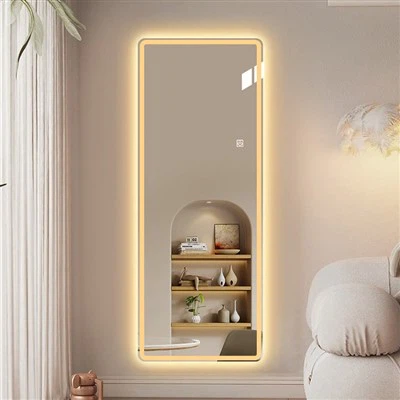
Anti-reflective glass, which has a special coating on its surface. This coating can effectively reduce light reflection, improve light transmittance, reduce glare and enhance visual clarity. Due to its superior performance in optical performance and visual comfort, anti-reflective glass is widely used in display screens, optical instruments, architectural Windows and art protection.
In the previous article, we have discussed the production method of anti-reflection glass, the application field of anti-reflection glass, and so on. Today, we are going to discuss the maintenance and maintenance of anti-reflective glass.
Daily cleaning method
Daily cleaning is a key step in maintaining the appearance and function of anti-reflective glass. In the cleaning process, the appropriate tools and methods need to be selected according to the application scenario and the degree of contamination of the glass.

Choice of cleaning tools
· Soft non-woven fabric or microfiber cloth: When we wipe anti-reflective glass, it is best to choose a soft texture and no fiber shedding fabric. This cloth can prevent the glass from being scratched.
· Neutral cleaners: Glass cleaners should also use neutral cleaners designed for glass. Avoid cleaning agents that contain acid, alkali or alcohol.
· Distilled or deionized water: Minerals in hard water may leave water stains on the surface of the anti-reflective glass. Therefore, it is best to prefer distilled or deionized water.
Cleaning procedure
· Initial dust removal: Use a dry microfiber cloth to gently brush the dust off the surface of the anti-reflective glass. It is best not to wipe with a damp cloth to avoid dust particles scratching the surface. Moreover, wet cloth is easy to leave water marks, which is easy to interfere with subsequent cleaning.
· Spray cleaner: Then we evenly spray the appropriate amount of cleaning liquid on the glass surface, or spray on the cloth rather than directly spray on the glass.
· Gentle wiping: We hold the cloth and gently wipe the glass in a single direction. Avoid repeated back and forth friction, which can reduce the wear of the anti-reflective glass surface coating.
· Drying treatment: Finally, we need to wipe the excess water on the surface with a clean microfiber cloth. Avoid water marks.
Cleaning frequency
According to the different use environment of anti-reflective glass, the cleaning frequency will be different. For indoor use of anti-reflective glass, such as monitor screens or display case glass, it can be cleaned once a month. For outdoor use of anti-reflective glass Windows, it is recommended to clean once every two weeks or once a month depending on the weather conditions.
Preventive maintenance measures
Preventive maintenance can reduce the likelihood of anti-reflective glass being damaged by external factors. Thus it can extend its service life.

Avoid direct contact with sharp objects
During installation and use, the anti-reflective glass should be avoided from touching sharp objects such as metal objects and hard tools. The use of protective pads or film can effectively reduce the impact of external force on the glass.
Prevent surface contamination
The glass surface should avoid contact with grease, sweat stains and other pollutants. These substances can easily affect the transparency of the anti-reflective glass itself. It may also have a corrosive effect on the anti-reflection coating. When operating the anti-reflection glass, it is recommended to wear clean gloves to prevent direct contact with fingers.
Environmental control
The environment in which anti-reflective glass is installed should avoid high temperature, high humidity and enhanced chemical corrosion conditions. For example, the use of air conditioning or dehumidification equipment in humid environments can reduce the effect of water vapor on the glass.
Periodic inspection
In order to avoid the sudden damage of the glass, we should regularly check the anti-reflective glass. For example, check the surface of the anti-reflective glass for scratches, coating peeling or other abnormal conditions. Once you find a problem, deal with it promptly. Avoid further damage.