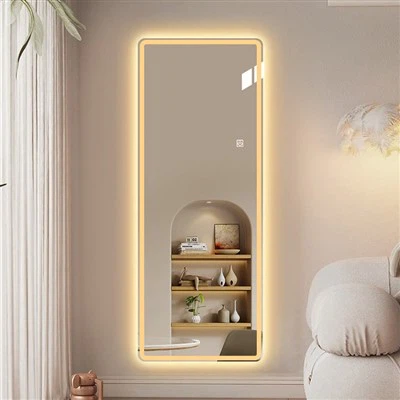
What is a colored mirror?
As the name suggests, a colored mirror has a mirror surface covered with a layer of colored film. Compared with ordinary mirrors, its mirror surface is no longer a simple reflection. Instead, it creates a rich and diverse visual experience through different colors and gloss effects. Colored mirrors can be used in different tones according to needs. For example, red, orange, blue, green, etc. Make it both visually decorative and retain its original function-reflection.
Historical background of colored mirrors
Colored mirrors are not a product of modern technology. In fact, tracing back to its roots, its history can be traced back hundreds of years. In the earliest period, colored mirrors were all handmade. And most of them were used in the courts of nobles and were born as works of art. In ancient Egypt and ancient Rome, people used inlaid glass and metal materials to make mirrors with color effects. With the passage of time, colored mirrors have gradually developed into a highly decorative and artistic handicraft.

After entering the 20th century, with the advancement of industrial production and glass processing technology, the production of colored mirrors began to develop commercially. Especially in the mid-20th century, colored mirrors became a popular element of modern home decoration. They are widely used in homes, office spaces and public buildings. Today, colored mirrors are not only used for interior design. They also incorporate elements of modern art, fashion and culture. They have become a versatile decorative material.
Production process of colored mirrors
The production process of colored mirrors is actually similar to that of ordinary mirrors. But there are unique features in some processes. The key to making colored mirrors lies in the control of color and the adjustment of mirror reflection effects.
Basic glass preparation
The production of colored mirrors first requires the selection of high-quality glass substrates. Float glass is usually used. Because the surface of float glass is flat and smooth, it is more suitable for subsequent processing.
Mirror treatment
Traditional mirrors achieve reflection effects by coating a layer of silver or aluminum film on the surface of the glass. But colored mirrors need to add one more step in this process. That is to add a colored coating. There are many types of coatings, including metal coatings, dyed coatings, etc. Manufacturers can choose the appropriate coating according to their needs.
Application of Color Coating
There are usually three ways to apply color coating to the mirror: evaporation, spraying and electroplating. These three methods are more common. These coatings can not only bring color to the mirror, but also affect the gloss and reflection effect of the mirror. For example, a mirror with a gold coating can reflect a warm metallic luster. And a green coating gives people a sense of vitality.

Mirror processing and molding
After the color coating is completed, the mirror will undergo the next step of processing. Including cutting, edging, punching and other processes to meet different design requirements. Finally, a protective layer may be applied to the back of the mirror to increase its durability and corrosion resistance.
The process of colored mirrors can be adjusted according to different market needs. It can also be adjusted according to customer needs to produce mirrors that meet user needs and market functional requirements.