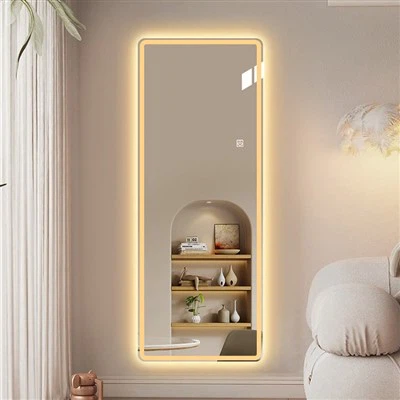
Anti-glare glass, also known as AG glass. Compared with ordinary glass, it has different characteristics in visual effects, optical properties and application scenarios. With a specific surface treatment, anti-glare glass effectively reduces the intensity of reflected light. Even in a well-lit or direct light environment, the glass surface can still present a clear visual effect. So it has a wide range of applications in many fields.
The basic concept of anti-glare glass and ordinary glass
Anti-glare glass: anti-glare glass refers to the glass that can reduce the light reflected by the glass surface. Its surface is chemically etched or otherwise physically treated to form small concave and convex structures. This structure effectively reduces reflected light and therefore glare. The production of anti-glare glass reduces light interference in strong light or high-reflection environments and improves the viewing experience.

Ordinary glass: Ordinary glass is the most common in our lives, and it is a highly transparent material. The surface has not undergone any special treatment. Therefore, the light transmission of ordinary glass is very good, but it also has a disadvantage that its surface reflectivity is high. In strong light or direct light, it is easy to produce glare.
Application scenario comparison of anti-glare glass and ordinary glass
Electronic display equipment
·Anti-glare glass: widely used in mobile phones, tablets, computer monitors and other electronic device screens. Reduces the reflection of the screen in bright environments and improves visibility. Keep clear display especially in outdoor and bright light environment.
·Ordinary glass: performs well in low light environments. However, in a strong light environment, the reflection of ordinary glass is very serious. This easily makes us lose sight of the content displayed on the screen, affecting the visual effect.
Automobile glass
· Anti-glare glass: Anti-glare glass is commonly used in car navigation screens and on-board displays. Reducing light interference during driving can ensure the safety of drivers.
· Ordinary glass: Ordinary glass can also be applied to the Windows of cars. But be careful when driving at night. When the light reflected by the street lamp shines on the window, it may affect the line of sight of the driver, which will affect the safety of driving.
Architecture and interior decoration
· Anti-glare glass: suitable for office glass partitions, conference room Windows, sun rooms and high-rise building curtain walls. Especially places that need good lighting effects and avoid glare. The application of anti-glare glass can bring people a good feeling of life.

· Ordinary glass: Ordinary glass is also commonly used in building Windows and curtain walls. However, it is best not to use ordinary glass in scenes that require glare. Reflecting light can really have an effect on yourself and others.
Frame and exhibit
· Anti-glare glass: Anti-glare glass can also be widely used in exhibitions and photo frames in museums and galleries. Anti-glare glass can avoid the reflection of light source affecting the viewing experience of the audience. Ensures that the artwork and display content are clearly visible.
· Ordinary glass: It is easy to reflect light in a strong light environment. It affects the tourist experience. Therefore, in some large and demanding exhibition occasions, the use of ordinary glass exhibitions is not appropriate.
Optical instrument
· Anti-glare glass: anti-glare glass is often used in the lenses of microscopes, telescopes, camera lenses and other optical equipment. These optical devices represent the accuracy of experimental results. By reducing the reflected light on the glass surface, anti-glare glass can ensure the image quality and prevent glare from interfering with image clarity.
· Ordinary glass: Ordinary glass is still used to minimize the number of times in high-precision imaging equipment. High-precision imaging equipment requires higher results, in order to reduce errors, it is best to use anti-glare glass applications.