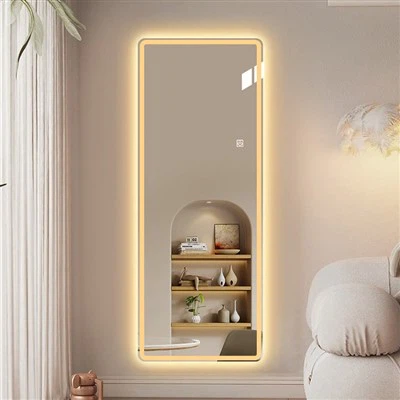
As a building material, one-way glass has special functions. The surface of one-way glass can control the direction of light penetration to a certain extent by using optical principles. The characteristics of this glass make it widely used in architecture, home decoration, commercial space and privacy protection.
The basic principle of one-way glass
One-way glass can also be called reflective glass or one-way transparent glass. It relies on optical coating technology to achieve its special functions. Its surface is usually covered with a metal oxide film. The film can reflect a lot of light. At the same time, this film does not hinder the transmission of light. This characteristic of one-way glass gives it the following phenomenon.

Strong light side: significant reflection effect
When the light on one side of the one-way glass is strong, the observer will see the environmental image reflected by the glass. It's like we look in the mirror. We can't see the back of the lens.
Weak light side: good perspective effect
On the weak light side of the one-way glass, the observer can clearly see the scene on the strong light side. This situation produces the effect of "one-way perspective".
The key to the above situation of one-way glass is to have a contrast between light and dark. Only when there is strong light on one side and dark light on the other side can a one-way perspective effect be produced. Moreover, the performance of one-way glass is also affected by coating technology and glass thickness. In order to achieve better results, specific usage scenarios and needs must also be considered during design.
Main types of one-way glass
According to the production process and application scenarios, one-way glass can be divided into the following types.
Heat-reflective glass
Heat-reflective glass is mainly made by hot-dip coating process and is usually used for sunshade and heat isolation. Commonly seen on building exterior walls or windows.
Vacuum coated glass
Vacuum coating technology can cover the surface of glass with an ultra-thin metal film. This is used to make one-way glass. This type has a higher reflectivity. Suitable for places with high privacy requirements.
Color-changing one-way glass
Combined with intelligent dimming technology, this glass can automatically adjust the reflectivity and transmittance according to the light intensity. The cost budget required for this technology is relatively high. So it is often used in high-end buildings and vehicles.

Laminated one-way glass
By inserting a reflective film between two layers of glass, this glass can achieve one-way perspective and safety performance at the same time. Laminated glass itself is safer than ordinary glass. Even if the glass breaks, the fragments will not scatter. It effectively protects people's safety. Therefore, this type of one-way glass is widely used in places that require high security, such as banks and prisons.
Application scenarios of one-way glass
Architectural field
In modern architectural design, one-way glass has become an indispensable material. Its wide application in facades and window systems not only reflects technological progress, but also reflects people's pursuit of privacy protection, energy conservation and environmental protection, and architectural beauty.
Commercial space
In commercial spaces such as retail stores and large shopping malls. One-way glass has gradually become an important part of decoration and functional design due to its unique perspective and reflectivity.
Home decoration
With the improvement of people's demand for aesthetics and functionality. One-way glass also plays a unique role in home decoration. It is mainly used in functional areas such as doors, windows, partitions and mirrors.
Public safety and privacy protection
In some special places, such as monitoring rooms, banks and police stations. One-way glass is widely used due to its safety and privacy protection properties.