It depends. Frosted glass is not a single type of glass with a specific strength level; it describes glass with a translucent, light-diffusing appearance. Its resistance to impact depends on the underlying glass, its thickness, manufacturing process, edge quality, installation method, and whether it has been tempered or laminated.
For architects, contractors, interior designers, and project buyers, this distinction is important. A decorative frosted glass panel may be made from annealed, tempered, or laminated glass, and each construction has different breakage characteristics. Surface treatments such as acid etching, sandblasting, or patterned production do not automatically make glass stronger or safer. Understanding these differences helps buyers select appropriate glass for doors, shower enclosures, partitions, windows, and other architectural applications.
Does Frosted Glass Break More Easily Than Clear Glass?
Not necessarily. The comparison depends on whether the two products use the same base glass, thickness, heat treatment, dimensions, and installation conditions.
Clear glass and frosted glass can both be manufactured from annealed or tempered glass. A surface finish may change the surface characteristics, but the word frosted alone does not indicate whether a panel is strong or weak.
For example, a frosted annealed glass panel and a clear tempered glass panel may have significantly different breakage behavior because of their underlying constructions, not simply because one looks frosted.
When comparing products, check the following:
| Factor | What to confirm |
|---|---|
| Base glass | Whether the product uses annealed, heat-treated, or another specified glass type |
| Safety treatment | Whether tempering or lamination is required for the application |
| Thickness | Whether the specified thickness is suitable for the panel dimensions and loading conditions |
| Surface finish | Whether acid etching, sandblasting, a pattern, or a coating creates the appearance |
| Edge processing | Whether the edges are finished appropriately for fabrication and installation |
| Installation | Whether the frame, supports, hardware, and clearances match the glass specification |
The most reliable approach is to compare complete product specifications rather than judging strength from appearance.
Explore Different Frosted Finishes ⇒ Related Post: "What Is Frosted Glass Used for?"
What Are the Different Types of Frosted Glass?
Different frosted glass products may have different breakage characteristics. The finish and the glass construction should be considered separately.
1. Acid-Etched Frosted Glass
Acid-etched glass is produced by treating the glass surface with a controlled chemical process to create a matte, translucent finish. It is often selected for its refined appearance and ability to diffuse light.
The acid-etching process creates the visual finish; it does not automatically make the glass tempered or laminated. Its strength and breakage behavior depend on the base glass, processing conditions, dimensions, and installation.

2. Sandblasted Frosted Glass
As with acid-etched glass, sandblasting should not be interpreted as a safety treatment. The product's suitability for a particular application must be assessed according to its complete specification and surface condition.
3. Patterned Frosted Glass
Patterned products use textured or decorative surfaces to create visual interest and reduce direct visibility. Their appearance and light transmission vary by pattern and manufacturing method.
Obscure Satin Glass, Minster Frosted Glass, Rain Frosted Glass, and Striped Frosted Glass are useful product descriptions when comparing different decorative appearances. However, product names alone do not establish strength, safety classification, or impact resistance. Confirm the underlying glass type and technical specifications with the manufacturer.


4. Tempered Frosted Glass
Tempered frosted glass combines a frosted appearance with heat-treated glass. Properly manufactured tempered glass is designed to have greater resistance to mechanical and thermal stresses than comparable annealed glass of the same thickness and configuration.
When tempered glass breaks, it typically fractures into many smaller pieces rather than the larger, sharp shards associated with ordinary annealed glass. However, it can still break, and its suitability must be assessed for the intended application.
5. Laminated Frosted Glass
Laminated frosted glass consists of two or more glass layers bonded with an interlayer. The frosted appearance may be created through an appropriate surface treatment or incorporated into the product design.
When laminated glass breaks, the interlayer can help retain many fragments and maintain the integrity of the assembly for a period, depending on the construction and damage. It does not mean the glass is unbreakable, and the performance of the complete assembly depends on its design and installation.

Understand Different Glass Constructions ⇒ Related Post: "The Difference Between A Mirror And Glass"
How to Choose Frosted Glass for Different Applications
The right glass depends on the environment, required privacy, expected loads, and applicable safety requirements. A decorative finish should be selected alongside the correct glass construction.
Bathroom Windows and Privacy Glazing
Frosted glass can reduce direct visibility while allowing daylight to enter a bathroom. It is commonly considered for windows where visual privacy is important.
The level of privacy depends on the particular finish, lighting conditions, and viewing distance. If the window is near a neighboring property or public walkway, evaluate a sample under realistic lighting conditions before confirming the specification.
For exterior windows, also consider the required thermal, weather, and structural performance of the complete glazing system.
Discover Bathroom Glass Applications ⇒ Related Post: "Type Of Glass Commonly Used In Bathrooms"
Shower Enclosures and Shower Panels
A frosted glass panel can create privacy in a shower enclosure while maintaining a bright, open appearance. However, shower glazing is a safety-sensitive application because users may accidentally impact the glass.
Specify glass that meets the applicable safety-glazing requirements for the location. Confirm the appropriate glass type, thickness, edge treatment, hardware compatibility, and installation method with the project team or supplier.
A frosted finish alone does not make a shower panel safe. The full assembly must be suitable for wet-area use and installed according to the relevant requirements.
Explore Shower Glass Selection ⇒ Related Post: "What Type Of Glass Is Best For Shower Doors?"
Office Partitions and Interior Doors
Frosted glass is suitable for office partitions, meeting rooms, reception areas, and interior doors where a balance of light transmission and visual privacy is desired.
For doors and partitions, the specification should consider panel dimensions, support conditions, impact exposure, and the relevant safety requirements. Tempered or laminated constructions may be appropriate depending on the design and installation.
Decorative patterns can also help create visual distinction between spaces, but they should not replace any required safety markings or other building-code measures.
Learn More About Decorative Glass ⇒ Related Post: "Five Types Of Decorative Glass"
Cabinets and Decorative Panels
Frosted glass can be used in cabinet doors, display units, furniture, and feature panels. In these applications, the selected glass should suit the panel dimensions, hardware, edge processing, and expected handling.
Smaller panels are not automatically risk-free. Chips, poorly supported edges, and incorrect mounting can still cause breakage. Ensure that the glass is properly fitted and that the selected construction is suitable for its intended use.
How to Reduce the Risk of Frosted Glass Breakage
Although no glass is completely unbreakable, appropriate product selection, fabrication, handling, and installation can reduce avoidable risks.
Choose the Correct Glass Construction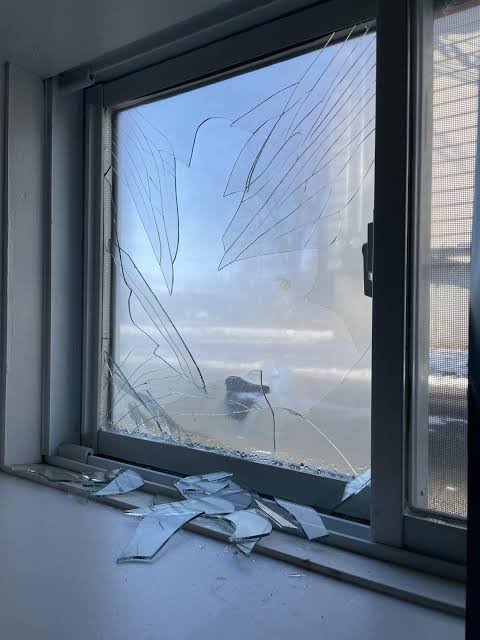
Determine whether the project requires annealed, tempered, laminated, or another specified construction. Applications involving human impact, doors, shower enclosures, or other safety-sensitive locations may require safety glazing under local regulations.
Do not assume that all frosted products can be used interchangeably. The required construction should be confirmed before manufacturing.
Protect the Edges During Handling
Glass edges are vulnerable to chips and impact. Panels should be handled with suitable equipment and stored securely, with appropriate protection between pieces. Any damaged panel should be assessed before installation rather than automatically accepted.
Follow the Installation Specification
Frames and hardware must support the panel correctly. Avoid forcing glass into an opening, applying excessive pressure through fasteners, or allowing direct contact with hard surfaces where the design requires clearance or protective components.
Installation should follow the supplier's instructions and applicable standards.
Use Appropriate Cleaning and Maintenance Practices
Use cleaning products and methods compatible with the particular surface finish. Avoid abrasive tools that may scratch the glass or damage a coating. Inspect panels periodically for visible chips, cracks, loose hardware, or other signs of damage.
If a panel is cracked or significantly chipped, restrict access to the affected area and arrange an appropriate professional assessment or replacement.
Learn More About Glass Care ⇒ Related Post: "Best Methods For Cleaning Frosted Glass"
Custom Frosted Glass Solutions from Luck Glass
Luck Glass can help project buyers explore decorative and architectural glass options for different interior applications. For custom frosted glass, provide the intended use, preferred surface finish, panel dimensions, glass thickness, and required construction.
This information helps determine which product options may suit the project and which additional processing requirements need to be considered. For applications involving doors, partitions, bathroom glazing, or other safety-sensitive locations, the complete glass specification should be reviewed against the applicable requirements.
For multi-panel projects, discuss finish consistency, edge processing, fabrication details, packaging, and installation considerations before production. Samples and technical information can help align the selected product with the design intent.
Learn More About Glass Strength and Safety ⇒ Related Post: "The Advantages And Disadvantages Of Tempered Glass"
Frequently Asked Questions
Is frosted glass easy to break?
Frosted glass can break, but its resistance depends on the underlying glass, thickness, edge quality, installation, and any heat treatment or lamination. The frosted appearance alone does not determine strength.
Is tempered frosted glass stronger than ordinary frosted glass?
Tempered glass generally has greater resistance to mechanical and thermal stresses than comparable annealed glass of the same thickness and configuration. However, it can still break, and the appropriate product depends on the application.
Can frosted glass be used in shower enclosures?
Yes, if the complete glass product meets the applicable safety requirements and is suitable for the installation. Confirm the required glass construction, dimensions, hardware, and installation method with the supplier.
What should I check before ordering a frosted glass panel?
Confirm the application, dimensions, thickness, finish, safety requirements, edge processing, and installation conditions. For customized products, review a representative sample and the relevant technical specifications before production.
Final Thoughts
Is frosted glass breakable? That depends.
Its performance varies according to the underlying glass construction and how the panel is manufactured, processed, and installed. Acid-etched, sandblasted, and patterned finishes describe different appearances or production methods; they do not independently establish safety or impact resistance.
For architectural and interior projects, select the surface finish and glass construction together. Confirm the intended application, applicable safety requirements, and installation details with a qualified supplier to help ensure that the finished product is appropriate for its intended use.