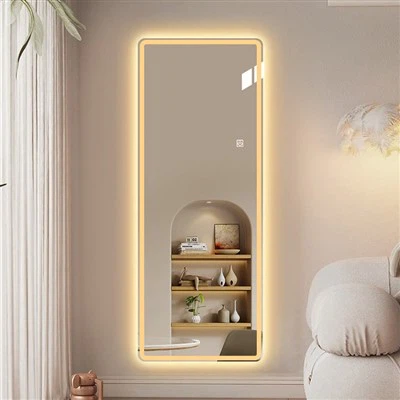
The global glass market is an invisible titan. Valued at hundreds of billions of dollars, it is a sector that bridges the gap between raw industrial manufacturing and the refined needs of architecture, automotive, and consumer electronics. At the heart of this massive ecosystem lies the Glass Wholesaler.
For contractors, retailers, and furniture manufacturers, the wholesaler is more than just a supplier; they are a strategic partner. In this deep dive, we will explore the mechanics of the glass wholesale business, the technological shifts transforming the industry, and how to navigate the complexities of sourcing high-quality glass at scale.
1. The Critical Role of the Wholesaler in the Supply Chain
To understand the value of a glass wholesaler, one must first understand the "Float Glass" process. Large-scale manufacturers (the "primary" producers) operate massive furnaces that run 24/7, producing miles of glass ribbons. These manufacturers typically deal in massive volumes that are impractical for most end-users.
The wholesaler acts as the vital intermediary by:
Bulk Breaking: Buying massive "jumbo" sheets (often $3.3m \times 6m$ or larger) and cutting or distributing them into manageable quantities.
Inventory Management: Maintaining a diverse stock of thicknesses (from 2mm to 19mm) and types (clear, tinted, low-iron) so that local businesses don't have to wait months for a factory run.
Risk Mitigation: Glass is notoriously difficult to transport. Wholesalers absorb the logistical risk of moving fragile materials across oceans and continents.
2. Navigating the Product Portfolio: What Wholesalers Offer
A modern glass wholesaler doesn't just sell "clear sheets." To remain competitive, they must offer a suite of specialized products designed for 21st-century requirements.
A. Architectural and Float Glass
This is the "bread and butter" of the industry.
Clear Float Glass: The standard for windows and mirrors.
Low-Iron (Extra Clear) Glass: By reducing the iron content, wholesalers provide glass without the characteristic green tint, essential for high-end displays and interior partitions.
Tinted Glass: Infused with metal oxides to provide solar control and aesthetic variety (Bronze, Grey, Blue, Green).
B. High-Performance Coatings (Low-E)
With global building codes tightening around energy efficiency, Low-Emissivity (Low-E) glass has become a wholesale staple. This microscopic metallic coating reflects infrared heat back to its source, keeping buildings cool in summer and warm in winter. Wholesalers must be experts in "Soft Coat" vs. "Hard Coat" technologies to advise their clients properly.
C. Safety and Processed Glass
Wholesalers often operate their own processing facilities to add value:
Tempering: Heating glass to approximately 620°C and cooling it rapidly to increase strength by 4–5 times.
Lamination: Sandwiching a Polyvinyl Butyral (PVB) interlayer between two sheets of glass for soundproofing and security.
Mirror Production: Applying a silver or aluminum backing to high-quality float glass.
3. Strategic Sourcing: How to Choose a Wholesale Partner
Choosing the wrong wholesaler can lead to shattered timelines and broken budgets. If you are a buyer, you must audit potential partners based on these four critical metrics:
I. Quality Certification and Standards
Does the wholesaler provide glass that meets ASTM (US), CE (Europe), or AS/NZS (Oceania) standards? In the construction world, using uncertified tempered glass is a massive legal liability. Always ask for test reports regarding fragmentation and impact resistance.
II. Logistics and Packaging Excellence
In glass wholesale, the product is only as good as its delivery. Look for wholesalers who utilize:
End-cap Crates: For easy unloading.
A-Frame Racks: Specialized steel structures for transporting large sheets.
Desiccants: To prevent "glass sweat" or corrosion during sea freight in humid conditions.
III. Technical Expertise
A top-tier wholesaler should be able to explain the U-Value (thermal transmittance) and the Solar Heat Gain Coefficient (SHGC) of their products. If they are just "order takers" without technical knowledge, you risk ordering the wrong specifications for your climate zone.
4. The Economics of Wholesale Glass
The price of glass is famously volatile, influenced by three main factors:
Energy Costs: Since furnaces must stay hot 24/7, the price of natural gas is the single biggest driver of glass surcharges.
Soda Ash Supply: A key raw material in glass making. Shortages in soda ash production can send shockwaves through the wholesale market.
Logistics Costs: Because glass is heavy and requires specialized "Inloader" trailers or open-top containers, shipping often accounts for 20-30% of the total landed cost.
Pro Tip: Savvy buyers often sign "volume-price" agreements, locking in a rate for 6–12 months to protect themselves against energy-driven price spikes.
5. Modern Trends: The Future of the Industry
The glass wholesale landscape is being reshaped by technology and the global push for "Net Zero" emissions.
Smart Glass and Electrochromics
Wholesalers are beginning to stock "switchable" glass. By applying a small electrical voltage, the glass can change from transparent to opaque. While currently a niche luxury product, mass-market wholesale adoption is expected within the next decade.
The Circular Economy
Glass is theoretically 100% recyclable. However, "cullet" (recycled glass) must be extremely clean to be reused in float glass. Modern wholesalers are increasingly setting up buy-back programs for off-cuts and scraps, reducing waste and lowering production energy by up to 25%.
Digital Integration
The "Old School" way of ordering glass via fax and phone is dying. The leaders in the wholesale space now offer B2B Portals where customers can upload CAD drawings, get instant quotes, and track the GPS location of their glass racks in real-time.
6. Common Pitfalls to Avoid in Glass Procurement
Even experienced buyers make mistakes. Avoid these common traps:
Over-specifying: Don't buy 12mm glass if 10mm meets the structural code. You are paying for weight you don't need.
Ignoring "Anisotropy": This refers to the visual patterns (leopard spots) sometimes visible in tempered glass under polarized light. Ensure your wholesaler manages their tempering cooling process to minimize this.
Underestimating Lead Times: Custom-coated or laminated glass can take 8–12 weeks if it's an international order. Always build a "buffer" into your project timeline.
Conclusion: Transparency in Business
The glass wholesale industry is built on the paradox of the material itself: it must be perfectly transparent, yet incredibly tough. Success in this field requires a meticulous eye for quality and a robust backbone for logistics.
Whether you are a developer looking to glaze a new high-rise or a retail shop owner sourcing mirrors, your choice of wholesaler will define your project's success. Look for a partner who offers transparency not just in their product, but in their pricing, their lead times, and their technical support.
In a world that is increasingly built of glass, the right wholesaler is the clear choice for any growing business.
Industry Quick-Reference Table
| Glass Type | Primary Use | Key Wholesale Benefit |
| Tempered | Balustrades, Facades | Safety & High Strength |
| Laminated | Soundproofing, Security | Remains intact when broken |
| Low-E | Energy-efficient windows | Reduces HVAC costs significantly |
| Low-Iron | Jewelry cases, Museums | Maximum color neutrality |
| Reflective | Office towers | Privacy and heat rejection |